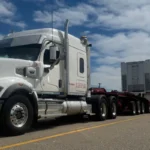
Moving oversized and overweight freight across Western Canada isn’t just about finding the right truck, it’s about understanding permits, regulations, and how each province approaches heavy haul movement differently. Whether you’re shipping heavy equipment, mobile homes, or industrial freight, knowing how the permitting system works can save time, money, and major headaches.
This guide breaks down how heavy haul permits work in Western Canada, what’s required in each region, and how experienced carriers like Bowline Logistics, headquartered in Spruce Grove, Alberta, with an additional location in Regina, Saskatchewan, help simplify the process from planning to delivery.
What Is Considered Heavy Haul in Canada?
In Canada, heavy haul typically refers to any load that exceeds standard dimension limits or regulated weight thresholds for a commercial vehicle. These limits vary slightly by province, but the fundamentals are consistent across most Canadian jurisdictions.
Loads that commonly fall into this category include:
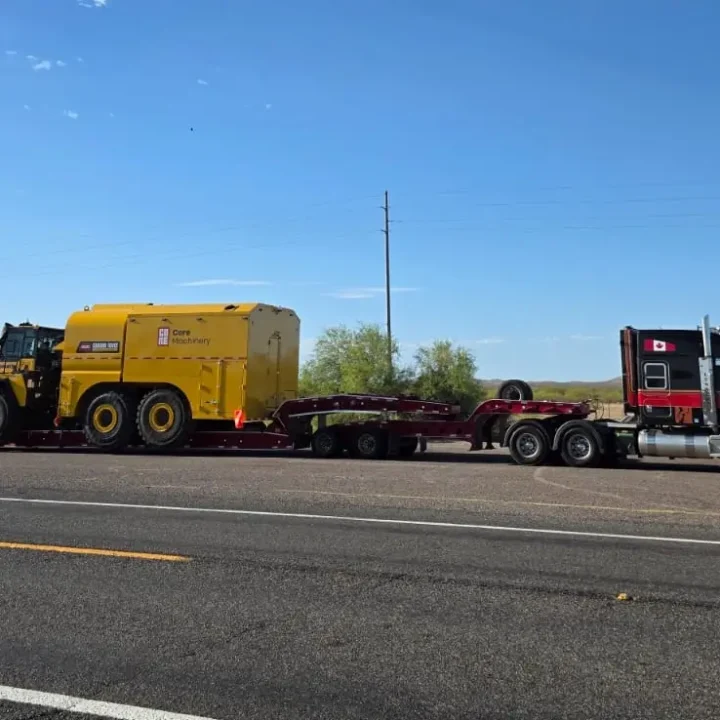
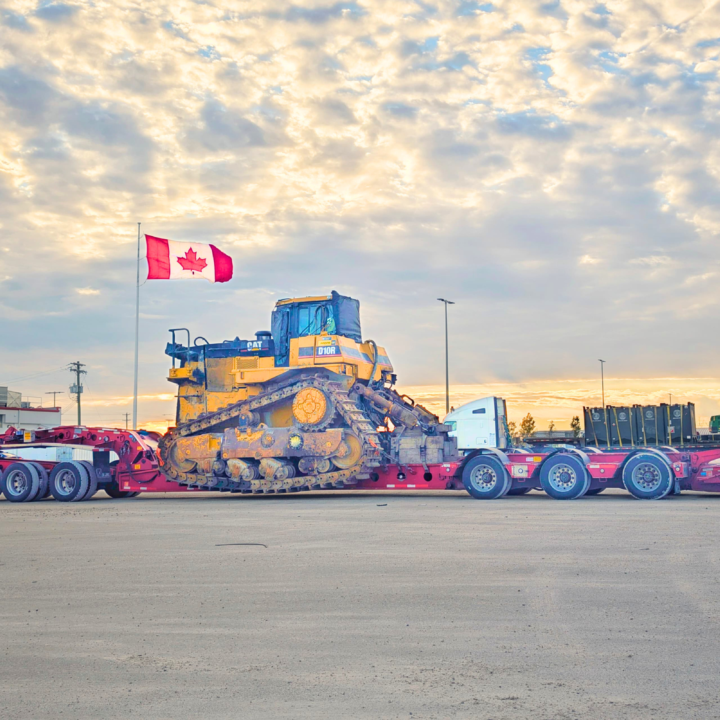
- Large heavy equipment such as excavators or cranes
- Industrial components with high axle weights
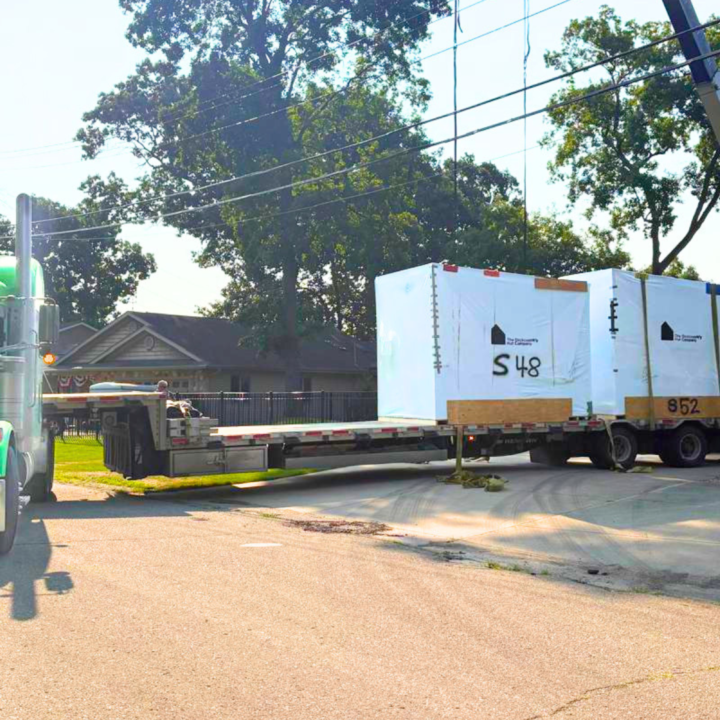
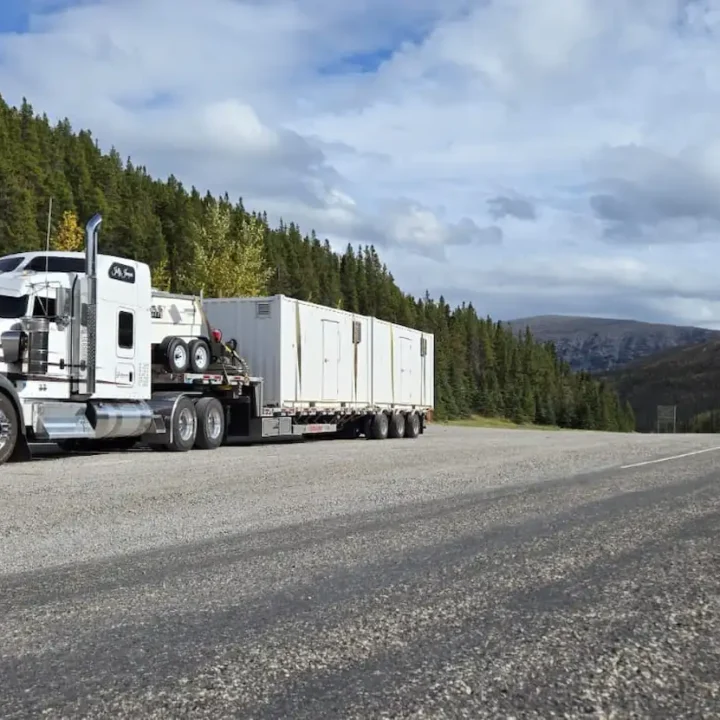
- Mobile homes and modular structures
- Multi-axle trailer combination movements
- Oversize load or wide load shipments
Once a load exceeds standard thresholds for width, height, length, or gross vehicle weight, it requires special authorization before it can travel on public roadways.
Understanding Oversize and Overweight Loads
An oversize load exceeds legal size limits, while overweight loads exceed regulated weight thresholds. Some shipments fall into both categories at the same time.
Oversize permits are typically required when freight is wider, taller, or longer than standard limits, while overweight permits apply when a load exceeds the maximum weight allowed by provincial weight regulation.
Key considerations include:
- Total GVW (also referred to as gross vehicle weight)
- Distribution of weight across axles
- The load’s impact on bridges and road surfaces
- Road conditions and seasonal limitations
Failing to properly permit an overweight vehicle can result in fines, shipment delays, or forced off-loading.
How Axle Weights and GVW Affect Permitting
While total weight matters, axle weights are often the most critical factor in permit approval. Provinces regulate how much weight each axle, including the steering axle, can carry to protect infrastructure.
For example, two shipments with the same gross vehicle weight may be treated differently if one has better axle distribution. This is why equipment configuration, suspension type, and axle spacing matter so much in heavy haul planning. Bowline Logistics reviews:
- Axle group spacing
- Load placement on the semi-trailer
- Trailer configuration and axle count
- Overall impact on roadways
This level of planning is essential to securing permits efficiently.
The Heavy Haul Permitting System Explained
Every province operates its own permitting system, but the process generally follows the same structure. A carrier submits a permit application detailing the load, vehicle, trailer combination, and planned routing.
Most permits fall into one of three categories:
- Single trip permits for one-time movements
- Trip permits for specific short-term needs
- Annual permits for recurring oversize movements
Each permit outlines approved travel dates, times, and any operational requirements such as pilot cars, signage, or traffic control.
Provincial Permitting Differences Across Western Canada
Although the fundamentals are similar, permitting rules vary across Canadian jurisdictions. Understanding these differences is critical for cross-province moves.
Alberta
In Alberta, permitting is managed provincially, but municipalities may enforce additional bylaw requirements. Seasonal road bans during spring breakup are especially important and can restrict overweight loads based on road conditions. Carriers operating regularly in Alberta build familiarity with both provincial and municipal permitting requirements over time, and that local knowledge makes a real difference.
Saskatchewan
Saskatchewan applies strict weight restrictions during thaw periods and closely monitors routing for oversize movements. Local approvals may be required for certain rural routes.
British Columbia
British Columbia has some of the most complex permitting rules due to mountainous terrain, frequent road closures, and varying weather conditions. Escort vehicle requirements are common for wide load movements.
Manitoba
Manitoba enforces seasonal road bans and closely regulates overweight permits on secondary highways.
Ontario and Quebec
While outside Western Canada, Ontario and Quebec are often part of long-haul routes. Ontario has detailed axle-based regulations, while Quebec enforces strict escort and signage requirements for oversize permits.
Routing, Road Conditions, and Closures
Permit approvals are closely tied to routing. Provinces evaluate whether a route can safely support the load without damaging infrastructure. Experienced carriers monitor these variables daily to ensure compliance and avoid delays.
Factors that influence routing approvals include:
- Bridge capacities
- Construction zones
- Seasonal road conditions
- Known closures or detours
Pilot Cars, Escort Vehicles, and Traffic Control
Many heavy haul movements require pilot cars or an escort vehicle to ensure public safety. These support vehicles help manage traffic flow, warn other drivers, and assist at intersections or narrow passages. Common requirements include:
- Front and rear pilot cars for a wide load
- Traffic control at intersections
- Specialized signage indicating an oversize load
Bowline coordinates all escort logistics as part of the transport plan.
Signage and Visibility Requirements
Every permitted movement must display proper signage indicating oversize or overweight status. This includes banners, flags, and lighting to ensure visibility in all conditions. Improper signage can invalidate a permit, even if everything else is compliant.
Exemptions and Special Cases
Some movements qualify for limited exemptions, such as agricultural equipment during specific seasons. However, exemptions are narrow and often misunderstood. Relying on exemptions without verification is risky, especially when crossing multiple jurisdictions.
Commercial Vehicles and Compliance
Permits apply to the load, but enforcement applies to the commercial vehicle operating it. Inspectors check permits, axle weights, gvw, and compliance at roadside inspections.
Why Experience Matters in Heavy Haul Transport
Heavy haul permitting is operational strategy as much as it is paperwork. One oversight can shut down a shipment.
- Permit applications across provinces
- Complex trailer combination planning
- Oversize permits and overweight permits
- Seasonal road bans and closures
- Cross-border and inter-provincial compliance
With headquarters in Spruce Grove, Alberta, and a location in Regina, Saskatchewan, Bowline supports heavy haul movements across Western Canada and beyond.
Simplifying a Complex Transport Process
Heavy haul transport in Canada requires precision, planning, and experience. From understanding axle weights and gross vehicle weight to managing pilot cars and routing approvals, every detail matters. Working with a carrier that understands the Canadian permitting landscape ensures your oversize load or overweight vehicle moves safely, legally, and on schedule.
If you’re planning a heavy haul move, whether it’s heavy equipment, mobile homes, or industrial freight, working with a carrier who understands the permitting landscape across these jurisdictions means fewer surprises and more predictable outcomes. Get in touch with the Bowline team to talk through your next move.
ABOUT THE AUTHOR
DeVaughn McEwan, Inside Sales & Marketing, Bowline Logistics

DeVaughn works across inside sales and content development at Bowline Logistics, where his focus with Bowline Insights is on making the complex world of heavy haul and oversized freight easier to understand. With a background spanning marketing, finance, and the transportation industry, he translates technical logistics into clear, real-world insights drawn from the work happening on the ground. If you’ve ever wished someone would just explain freight in plain language, that’s the goal.