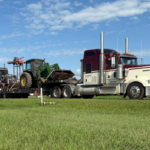
There are a lot of trucks on the road in Western Canada. Finding one willing to take your freight usually isn’t the hard part. Finding one that can actually handle it properly, legally, and without putting your project at risk is a different conversation entirely.
Heavy haul and oversized freight sits in its own category for a reason. It isn’t just bigger cargo. It’s a fundamentally different kind of move. It requires specific equipment, specific experience, and a level of planning and compliance that most standard carriers simply aren’t built for. The gap between a carrier who says they can handle your load and one who genuinely can is wider than most shippers realize, and right now, that gap is getting harder to ignore.
Heavy Haul Is a Specialty, Not an Upgrade
It’s worth being clear about what separates heavy haul from general trucking, because the line gets blurry when carriers present themselves as capable of both.
A standard carrier operates within legal weight and dimension limits. Their equipment, their permits, and their drivers are set up for loads that fit within those boundaries. Heavy haul exists outside those boundaries by definition. That means different trailers, different permit requirements, different routing considerations, and drivers who understand how to manage a load that is, in some cases, many times heavier or wider than what a normal highway was designed to accommodate.
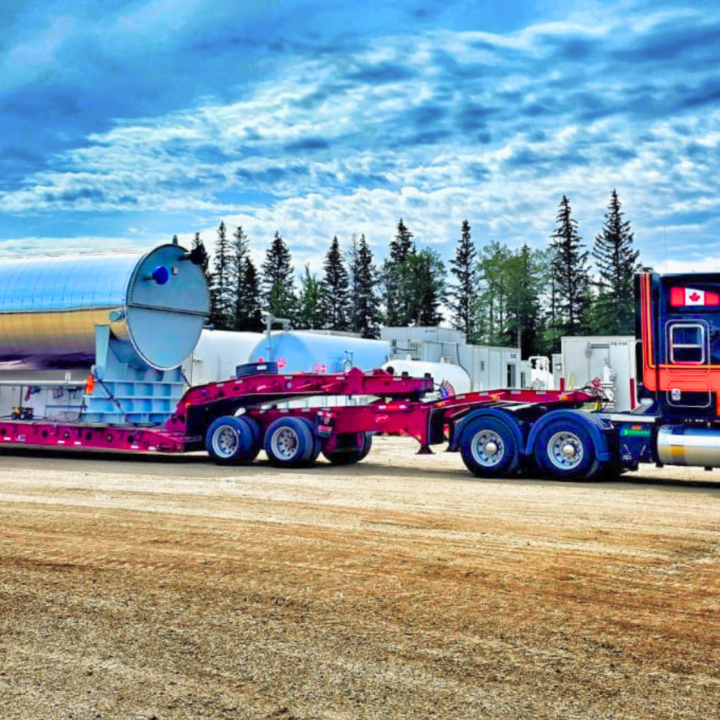
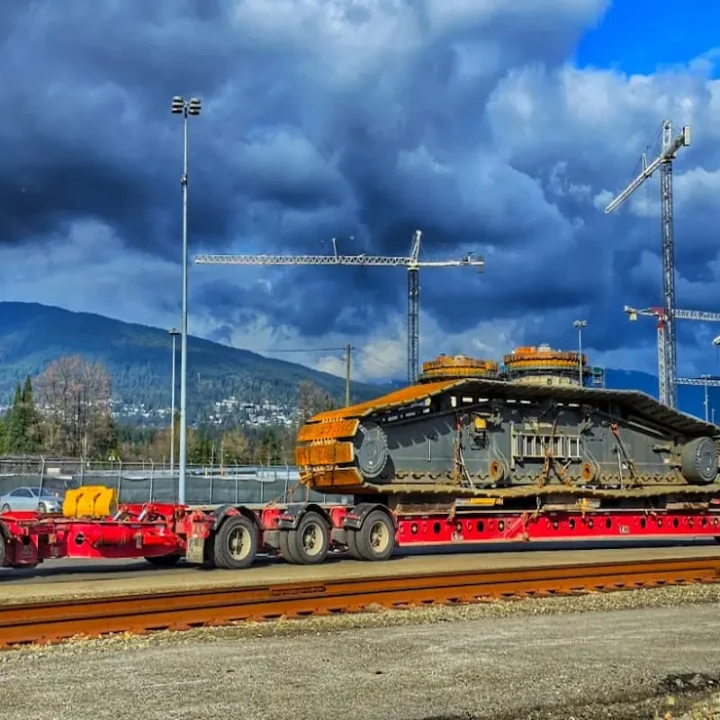
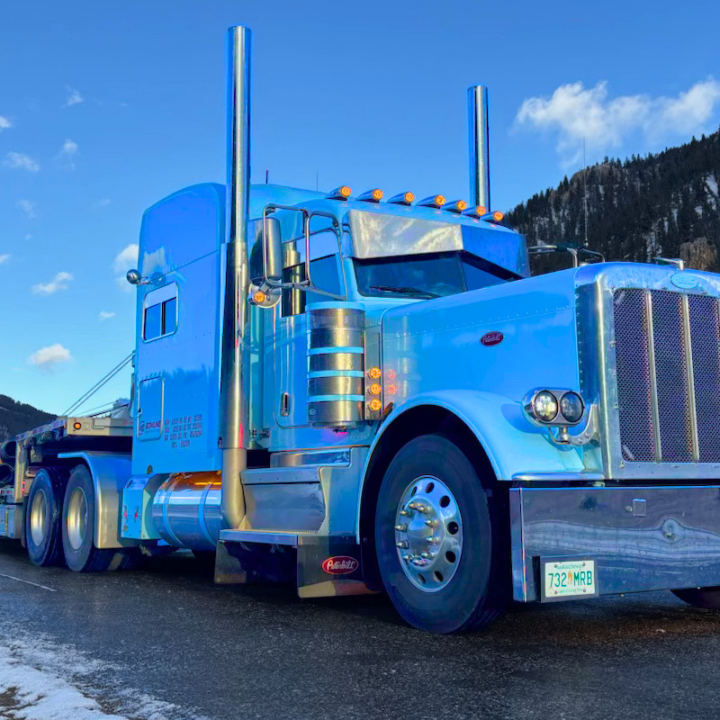
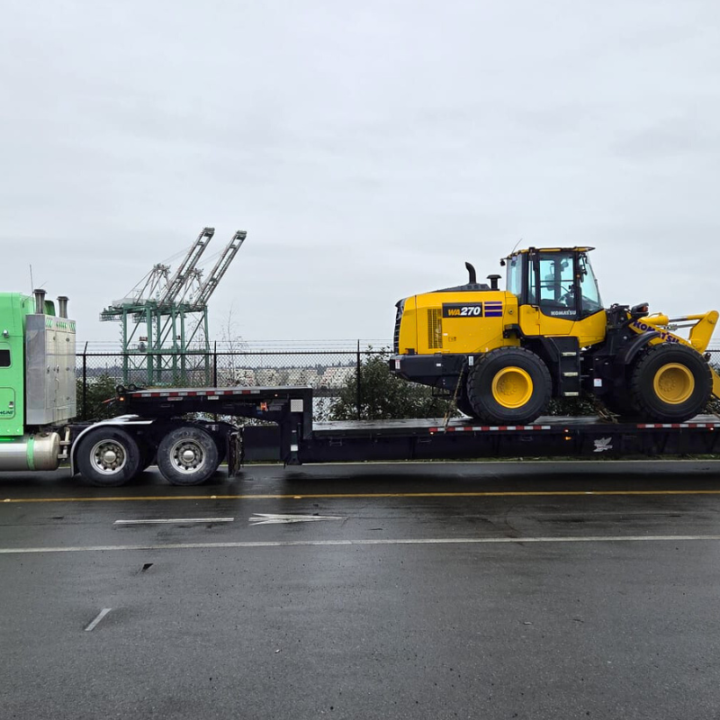
The trailers alone tell the story. A lowboy, a multi-axle perimeter frame, a removable gooseneck. None of these are variations on a standard flatdeck. They’re specialized pieces of equipment that require experienced operators and specific knowledge to use safely. A carrier who occasionally handles oversized freight and one who does it day in and day out are not the same thing, even if they show up with similar equipment on paper.
The Carrier Pool Is Smaller Than It Looks
Here’s something the industry doesn’t talk about enough: the number of carriers genuinely equipped and qualified to handle complex heavy haul moves in Western Canada is not large, and it has been shrinking.
The past few years have been hard on carriers across the board. A prolonged freight recession squeezed margins to the point where many operators exited the market entirely. Smaller fleets that couldn’t sustain those costs through lean periods either downsized or shut down. The carriers who made it through did so by being operationally sound, but the overall pool contracted.
At the same time, Canada has been tightening compliance standards across the industry. Alberta alone removed 13 commercial operators from service following enforcement audits that targeted unsafe equipment, poor on-road performance, and failure to meet mandatory safety standards. Federal crackdowns on driver misclassification removed additional operators who cut corners on training, licensing, and oversight. Both developments strengthen road safety and the integrity of the industry. But the short-term effect is a smaller pool of available capacity at exactly the moment when construction and industrial demand is ramping back up.
Add to that a genuine driver shortage. The Canada Trucking Operators Association reported earlier this year that some carriers are operating with up to a 15 percent shortfall in driver capacity. Statistics Canada recorded over 11,000 vacant positions for transport truck drivers in 2025 alone. For general freight, this creates delays and service pressure. For heavy haul, where drivers need specific experience and qualifications to operate safely, the shortage hits harder.
Not Every “Yes” Means They Can Actually Do It
This is where shippers run into trouble most often. When capacity is tight and a project timeline is pressing, it’s tempting to take the first carrier who confirms availability. The problem is that in heavy haul, a carrier who is willing to take your load and a carrier who is properly set up to move it are not always the same.
A load that exceeds legal weight or dimension limits requires the right permits for every province it travels through. It requires a route survey, not just a map. It may require escort vehicles, specific travel windows, and coordination with provincial authorities. If a carrier doesn’t have experience navigating those requirements, they either get the permits wrong, miss something in the routing, or both. Either way, the cost of those mistakes lands on your project, not theirs.
Equipment mismatches are another common issue. Using a trailer that only barely accommodates your load leaves no room for error. Showing up to a remote job site with the wrong configuration, or discovering mid-route that a bridge clearance or weight limit wasn’t properly accounted for, turns a straightforward delivery into a serious problem. These aren’t rare edge cases. They happen when shippers prioritize availability over capability.
What to Actually Look For in a Heavy Haul Carrier
Vetting a carrier before you commit doesn’t need to be complicated, but it does need to happen. A few things worth looking at:
Do they have the right equipment for your specific load? Not just a trailer that’s big enough, but the right configuration for the dimensions, weight, and delivery site requirements of your actual move. A good carrier will ask detailed questions about your load before quoting. If they don’t, that’s worth noting.
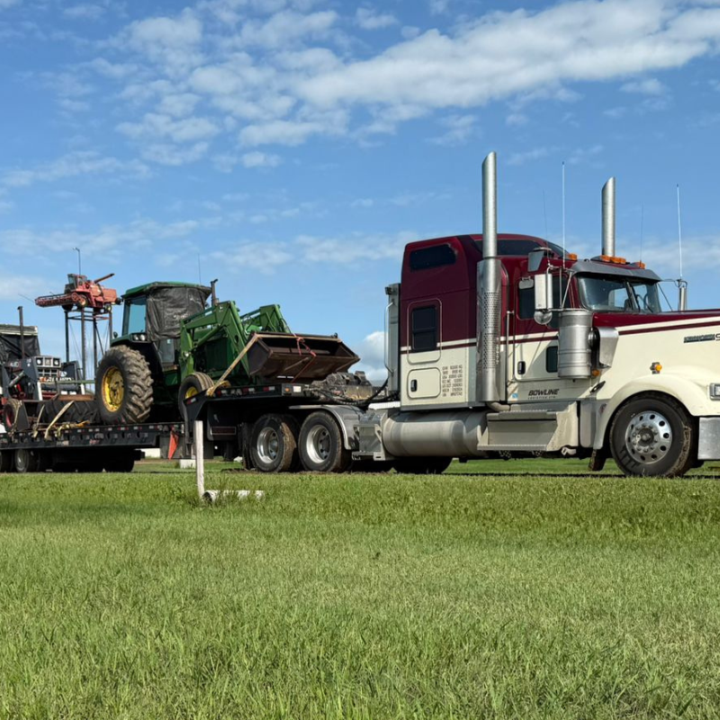
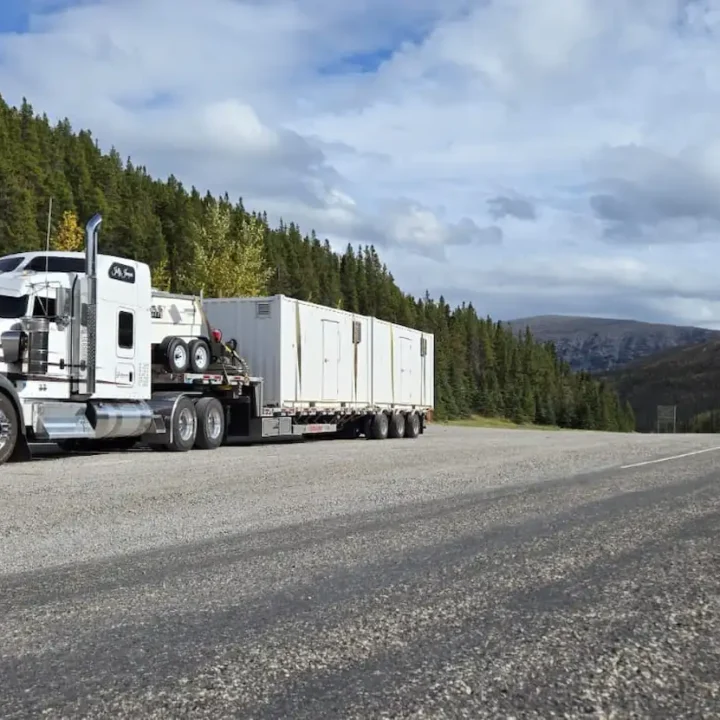
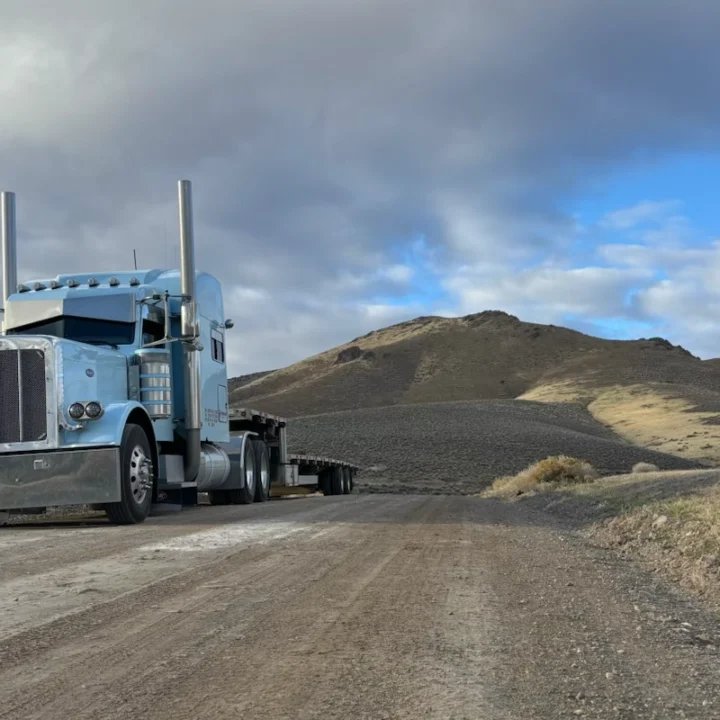
Do they have experience with the corridor and the type of freight? Moving an excavator between two job sites in central Alberta is a different job than delivering a modular structure to a remote site in northern BC. Regional knowledge matters. Understanding of access roads, bridge limits, and provincial permit nuances matters. Ask about moves they’ve done that are comparable to yours.
Do they handle permits in-house? Carriers who manage their own permit process tend to know exactly what’s required and when. If a carrier relies on a third party for every permit, or isn’t clear on the requirements upfront, that’s a gap in their operational knowledge that can slow down or derail your move.
Are they selective about what they take on? This one sounds counterintuitive, but it’s actually a good sign. Carriers who understand their own capabilities and turn down loads that aren’t a fit tend to be more trustworthy than ones who will say yes to anything and figure it out later. A carrier who asks hard questions and occasionally pushes back is one who takes execution seriously.
Relationships Matter More Than You Think
In a market where qualified heavy haul capacity is genuinely limited, the shippers who consistently get their freight moved on time aren’t always the ones with the biggest budgets. They’re the ones with established relationships.
Carriers who are selective about what they take on are also selective about who they work with. Shippers who communicate clearly, provide accurate load information, give reasonable lead time, and treat carriers as partners rather than vendors tend to be prioritized when capacity is tight. It isn’t personal, it’s operational. A shipper who has worked with the same carrier across multiple projects over several years creates a level of familiarity and trust that a one-time call simply can’t replicate.
That’s not to say you can’t get great service from a new carrier relationship. But building those relationships before you need them in a pinch is a lot easier than trying to establish credibility while your equipment is sitting in a yard waiting for a truck.
The Bottom Line
The heavy haul carrier market in Western Canada is more constrained than it appears from the outside. Fewer qualified operators, tighter compliance standards, a real driver shortage, and peak season demand all converging at the same time means that the assumption of easy availability is worth questioning.
The shippers who navigate this well are the ones who treat carrier selection as seriously as they treat any other part of their project planning. Know what your load actually needs. Ask the right questions. Build relationships before you need them. And give your carrier enough lead time to do the job properly, because in heavy haul, the quality of the execution depends entirely on the quality of the preparation behind it.
– –
ABOUT THE AUTHOR
DeVaughn McEwan – Inside Sales & Marketing Lead

DeVaughn works across inside sales and content development at Bowline Logistics, where his focus with Bowline Insights is on making the complex world of heavy haul and oversized freight easier to understand. With a background spanning marketing, finance, and the transportation industry, he translates technical logistics into clear, real-world insights drawn from the work happening on the ground. If you’ve ever wished someone would just explain freight in plain language, that’s the goal.