Skip to Content

Blog Archives

Why Heavy Haul Freight Needs to Be Your First Call This Construction Season

Spring arrives in Western Canada and suddenly everyone is ready to move. Ground thaws, project budgets unlock, and job sites that sat quiet all winter come back to life almost overnight. That energy is exactly what construction crews, mining operations, and project managers want to see. For heavy haul freight, though, it can also be the start of your biggest headache of the year if the logistics side wasn’t planned ahead of time.

The window between road ban season and peak construction demand is short. In that window, specialized carriers, permits, and equipment all get competitive fast.

The Spring-Summer Surge Is Real, and It’s Getting Tighter

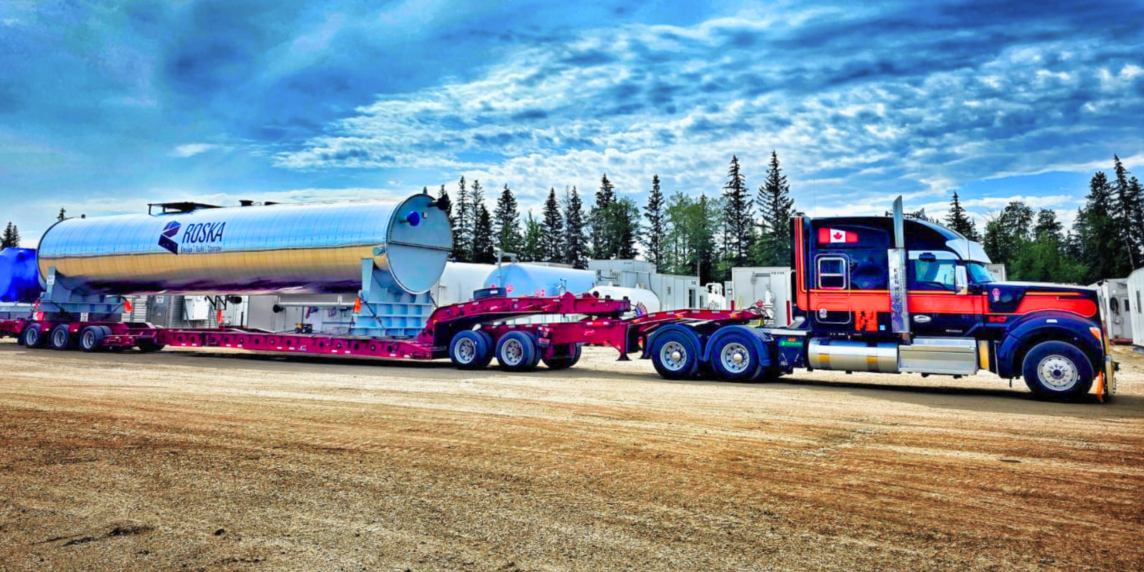
Construction season in Alberta and across Western Canada isn’t just a busy period for contractors. It’s the busiest time of year for heavy haul trucking, full stop. Mining operations that held off on equipment moves during winter and road ban season begin ramping up. Infrastructure projects break ground. Modular structures destined for remote sites, work camps, and glamping-style developments need to get moving before summer access windows close.

The challenge isn’t finding a truck. It’s finding the right truck, with the right trailer configuration, at the right time, and having all the permits, routing, and escort coordination locked in before your project timeline depends on it.

When shippers wait until the last minute, they run into one of two problems: they can’t find capacity at all, or they find capacity that isn’t properly equipped for the move, which creates compliance and safety issues down the line.

What “Planning Ahead” Actually Means for Heavy Haul

For standard freight, booking a week or two out is usually fine. Heavy haul doesn’t work that way.

Between the permit application process, route surveys, escort vehicle coordination, and equipment scheduling, a properly planned heavy haul move in Western Canada can take two to four weeks of lead time, sometimes more, depending on load dimensions, destination, and provincial requirements. For complex moves crossing municipal boundaries, heading into remote access areas, or involving multi-truck coordination, you need even more runway.

A few things worth building into your project schedule:

Permit timelines vary by province and load type. Alberta, BC, and Saskatchewan each have their own thresholds, their own processes, and their own approval timelines. A move that’s straightforward in one province might trigger additional requirements the moment it crosses a border. Getting permits wrong or getting them late doesn’t just delay the truck. It can delay your entire project.

Routes need to be confirmed, not assumed. Spring construction season means active road work, temporary closures, and reduced load limits on secondary highways that are still recovering from the thaw. A route that was clean last fall may not be available in May. Your carrier should be doing route surveys and confirming current conditions before your freight ever rolls.

Escort vehicles and pilot cars are booked separately, and they fill up too. This is the piece that catches a lot of shippers off guard. Specialized carriers coordinate the truck, but escort and pilot car availability is its own constraint. During peak season, these resources get stretched. Planning early means you’re not scrambling at the last minute because your load is sitting in the yard waiting on a pilot car.

Construction Equipment Moves: More Common, More Complex

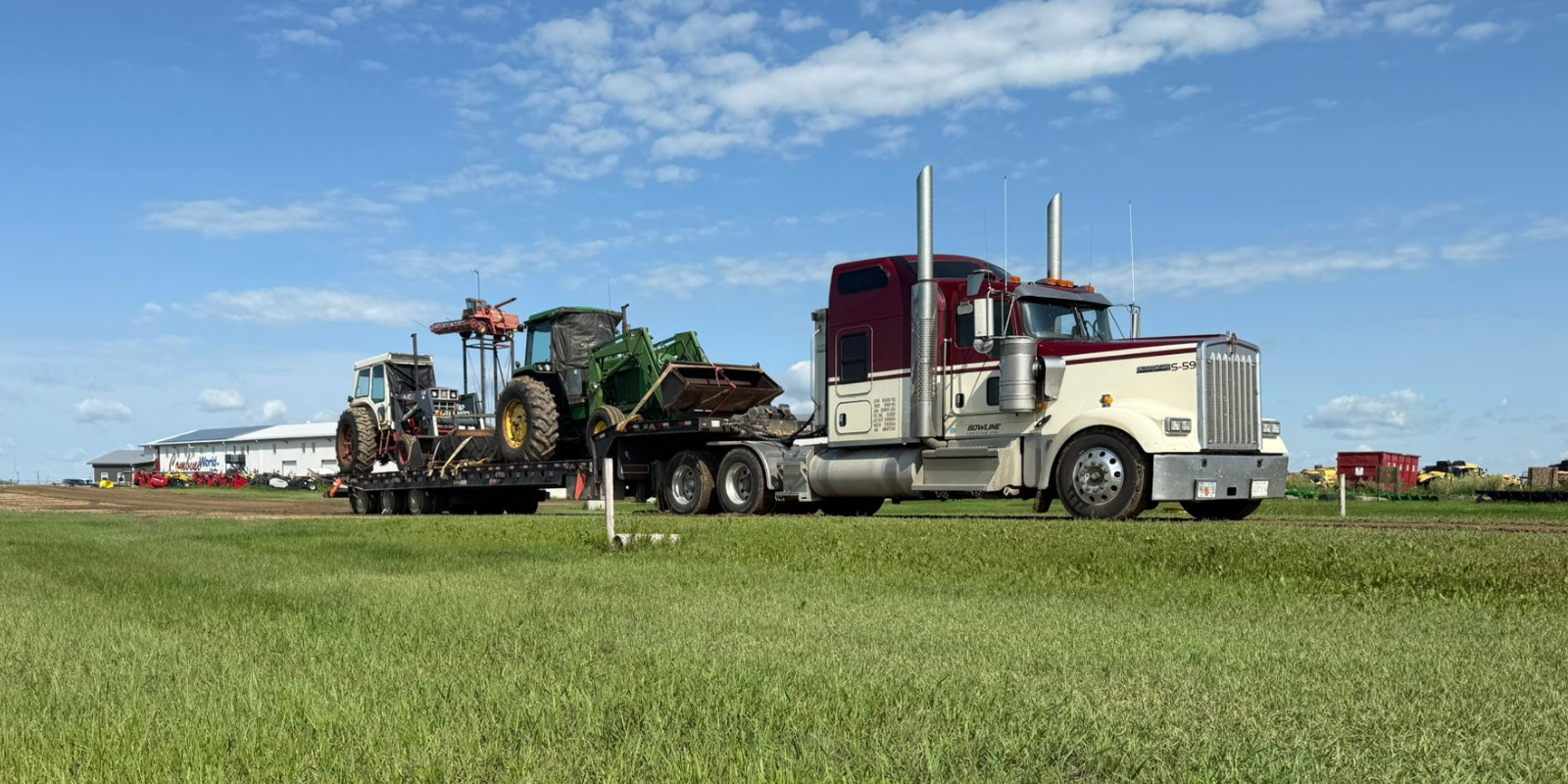
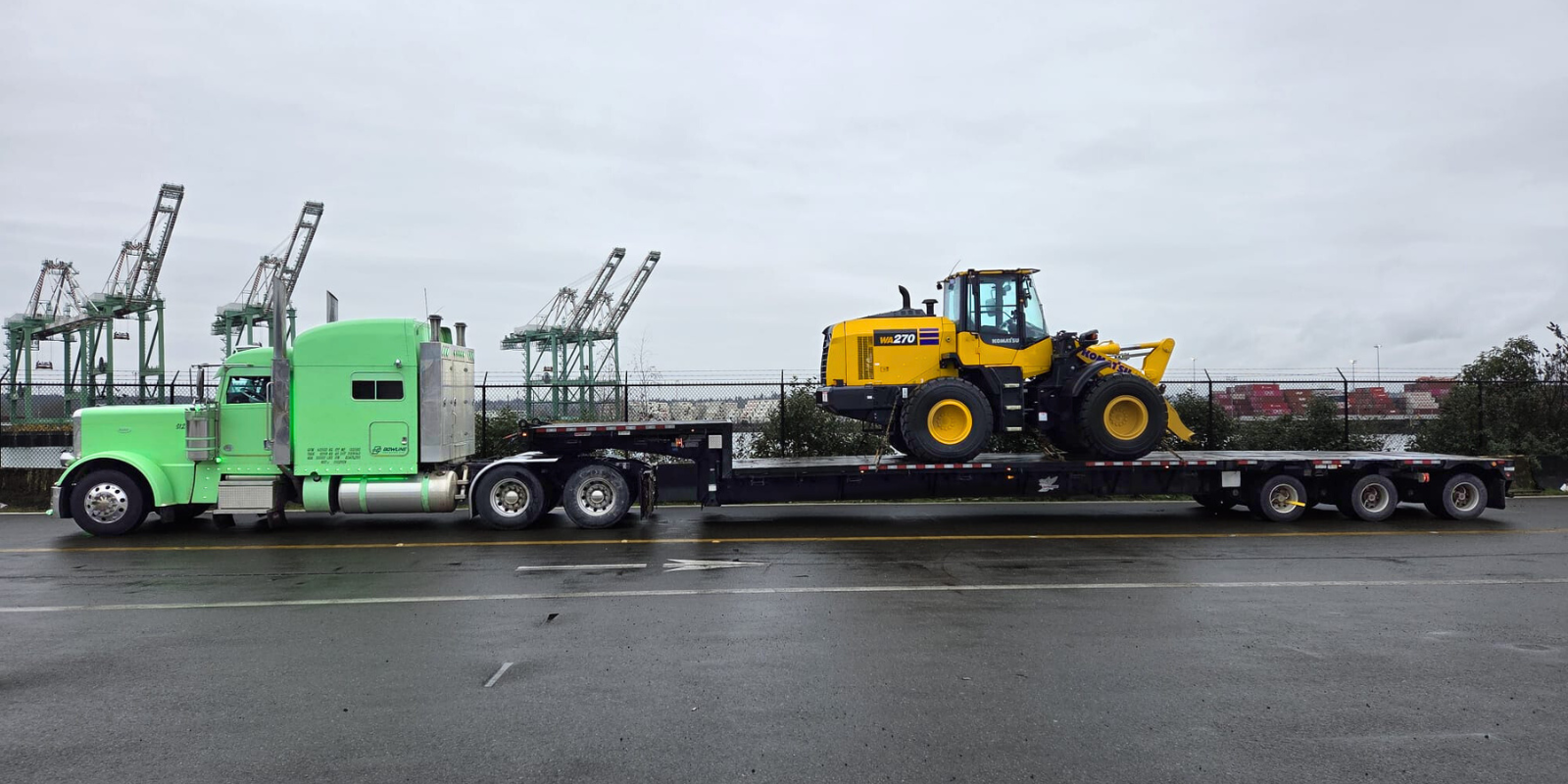
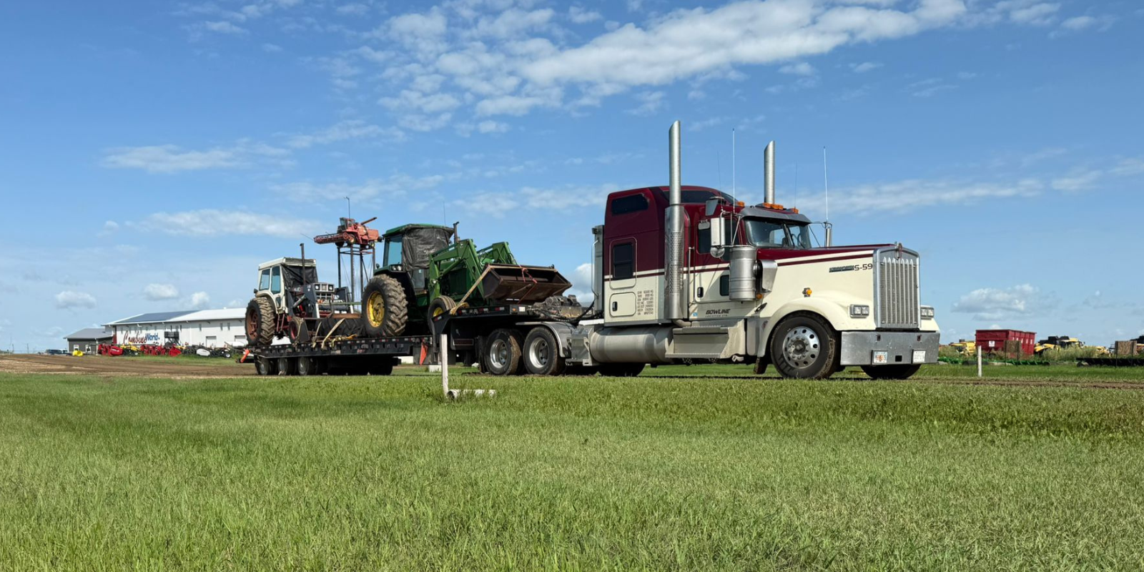
Some of the most time-sensitive heavy haul moves of the season are construction equipment relocations. Excavators, graders, crushers, and loaders don’t wait around. When a project needs them on site, the timeline is usually firm.

What makes these moves tricky is that construction equipment often travels on tight schedules between multiple active job sites. A machine might need to be off one site in northern Alberta and on another by a specific date. That kind of coordination requires more than just a flatdeck and a willing driver. It requires a carrier who understands how to sequence moves, handle loading and unloading at active sites, and communicate clearly when conditions change.

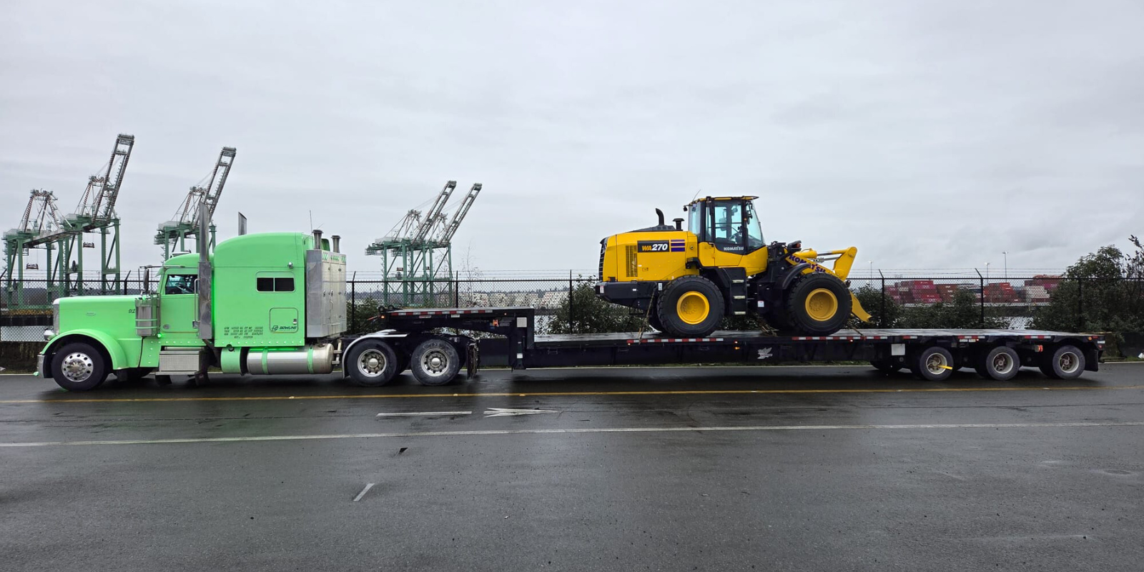
Equipment that self-loads, like excavators, needs the right trailer, typically a lowboy or step deck, and a site with enough clearance to make it work. Showing up with the wrong equipment is a half-day problem that nobody wants mid-season.

Modular and Specialty Structures: A Different Kind of Planning

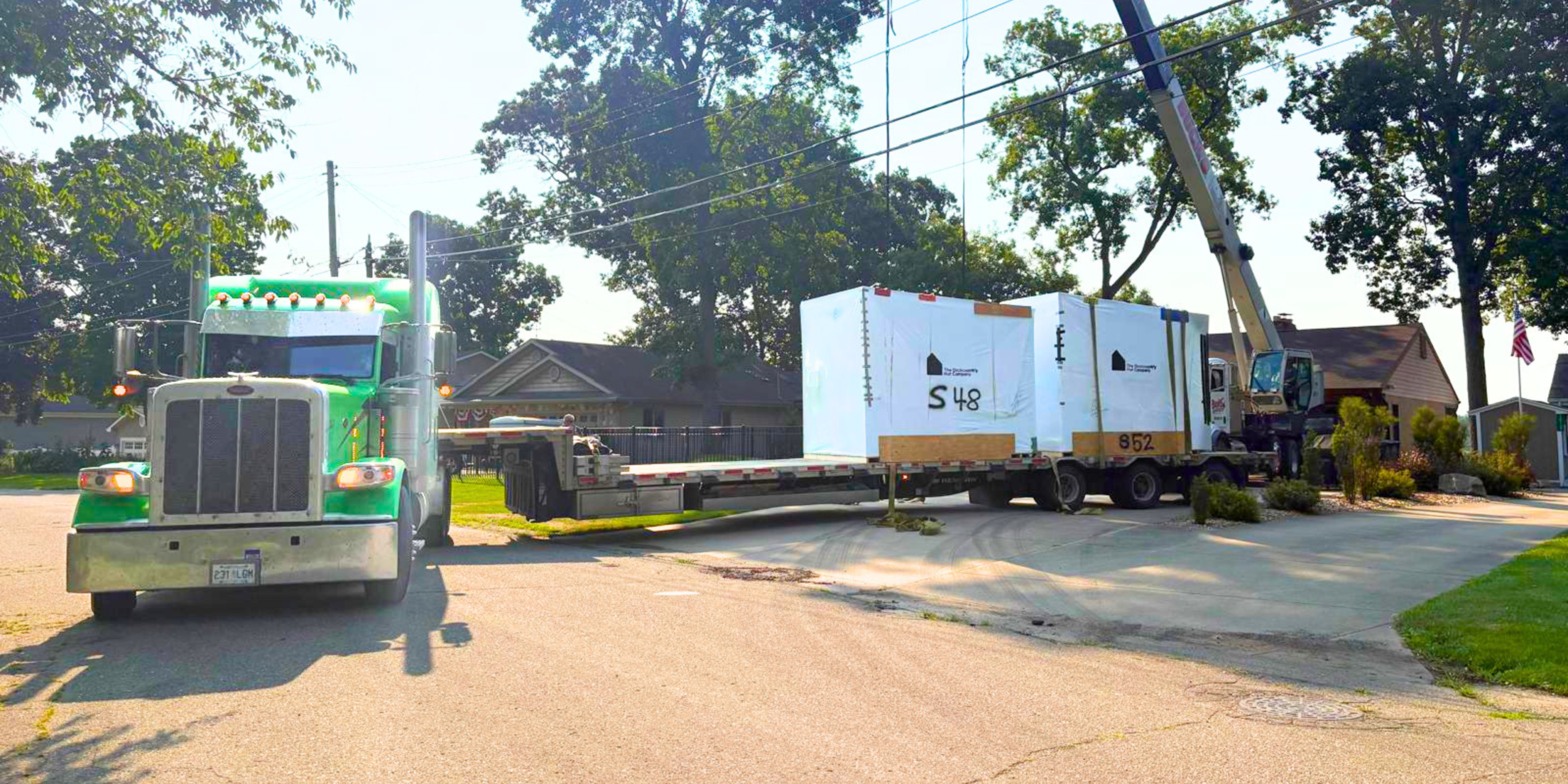
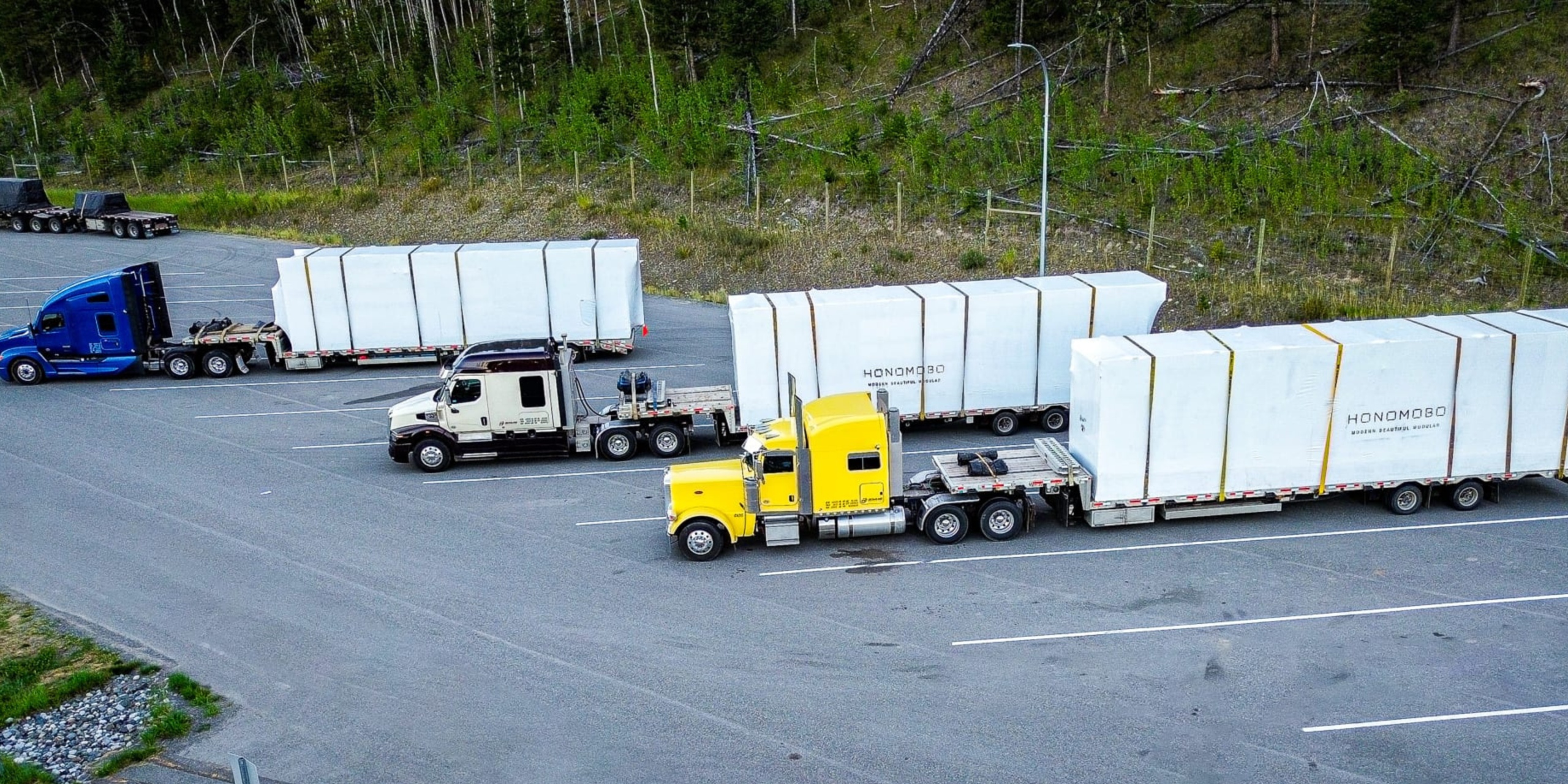
Beyond traditional construction equipment, modular deliveries have become a growing part of the spring and summer heavy haul picture across Western Canada. We’re not just talking about work camp trailers. The space has evolved significantly. Purpose-built cabin units, prefabricated structures for glamping developments, and architecturally designed modular homes are all moving through the region, and many of them require the same level of care as any other oversized freight.

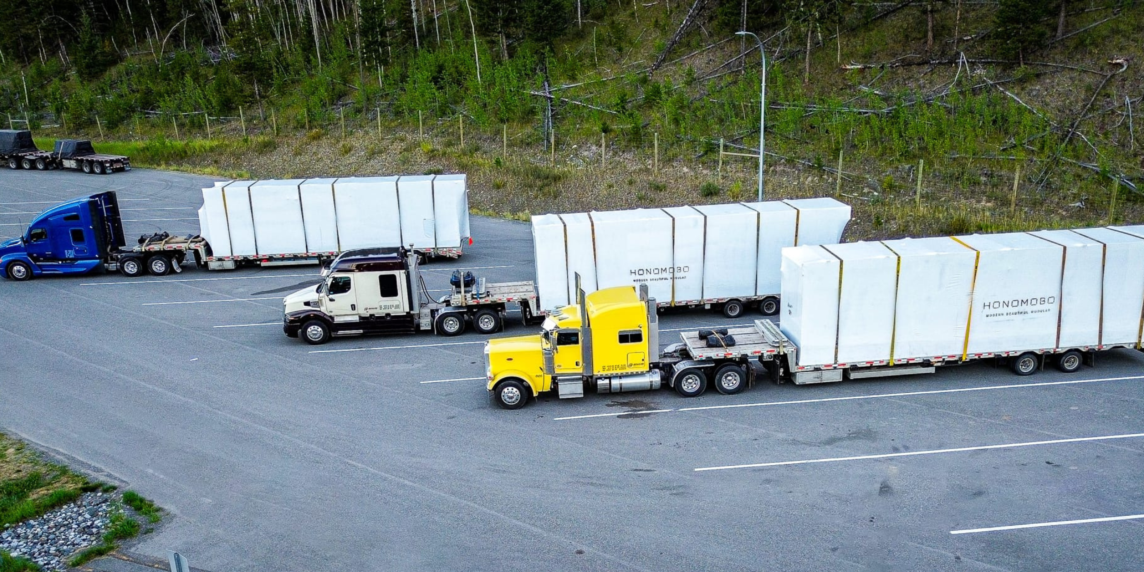
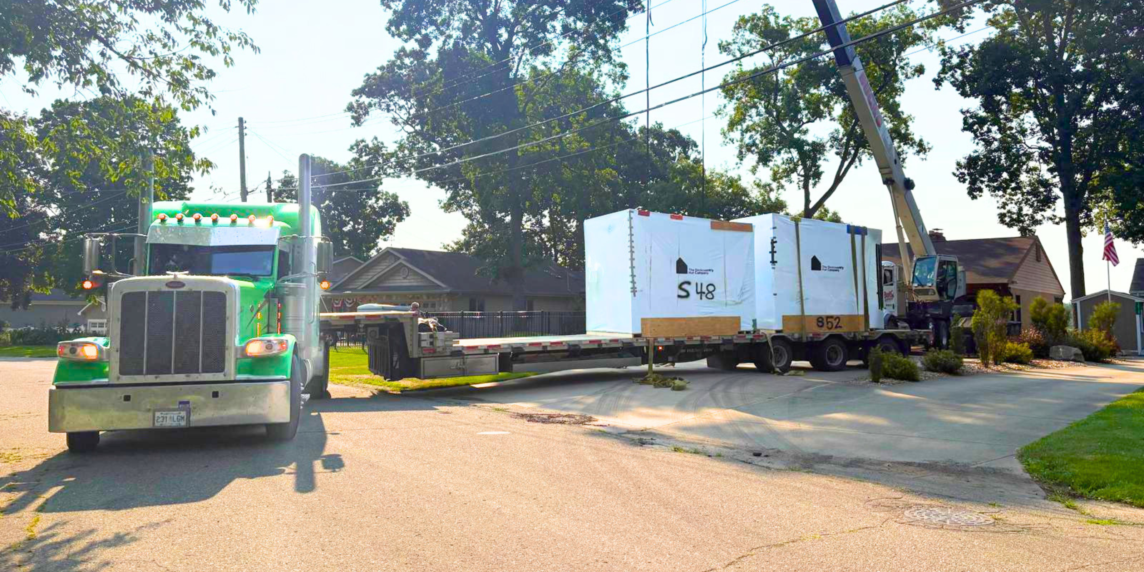
These structures are different from equipment in one important way: they can’t take a hit. A piece of mining equipment is built to absorb punishment. A finished modular unit with interior walls, flooring, and window frames is not. Securing it correctly, choosing the right trailer, and routing around tight corners or low clearances is the whole job.

For these moves, the planning conversation needs to start at the design and manufacturing stage, not when the unit rolls out of the shop. Knowing the final dimensions, delivery site access, and any lifting or placement requirements ahead of time is what allows the transport plan to actually work when it counts.

Mining Season Adds Its Own Layer

For mining operations in northern Alberta and across the region, the seasonal ramp-up brings its own freight challenges. Remote access roads that were impassable or restricted all winter begin opening up, but they don’t all open at the same time, and they don’t all stay open indefinitely.

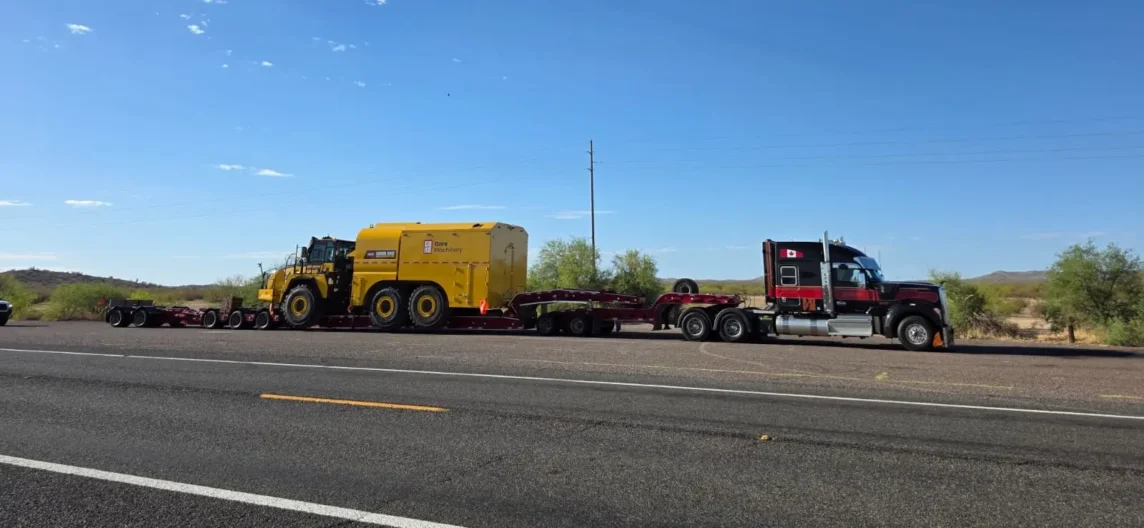
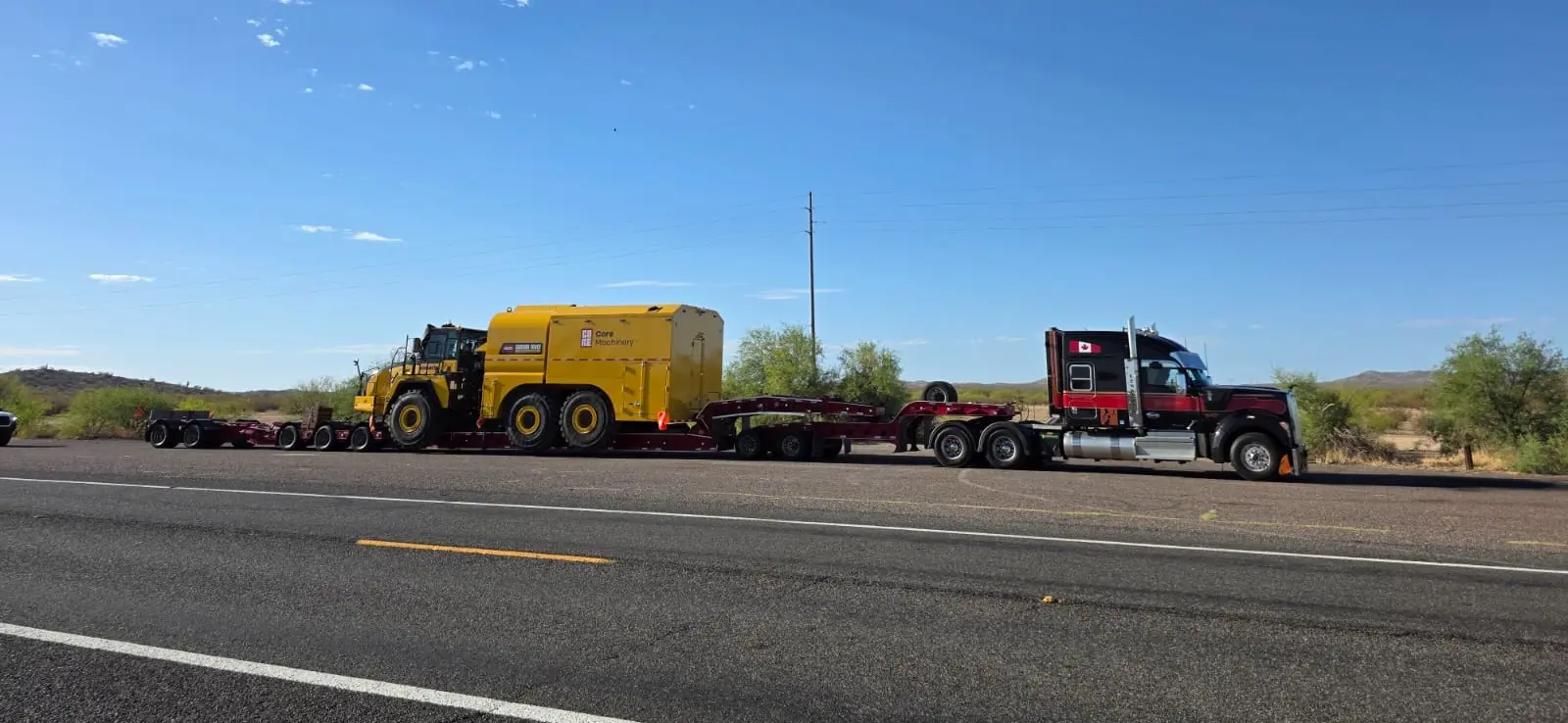
Moving heavy mining equipment to remote sites often requires multi-truck coordination and precise scheduling. Loaders, processors, and excavators frequently arrive in phases because they can’t all land at once, and the order of arrival matters for how crews deploy and set up on site. Getting that sequencing right is part of what separates a carrier who does this regularly from one who doesn’t.

Bridge weight limits on remote access routes are also a real constraint that gets overlooked until it becomes a problem. A thorough route survey, not just a map check, is what catches these issues before they stall a move your team has been planning for weeks.

The Simple Version: Call Early, Ship Smart

None of this is meant to make heavy haul sound impossibly complicated. Experienced carriers do this every season and they know how to make it work. But the single biggest factor in whether a spring or summer heavy haul move goes smoothly is lead time.

The earlier the conversation starts, the more options are on the table. Routes can be scouted properly. Permits can be submitted with time to spare. Equipment can be matched to the load, not just whatever’s available. And when something comes up, because something always comes up, there’s room to adapt without derailing the whole project.

If you’ve got heavy haul freight moving this construction season, the best time to start planning was last month. The second-best time is now.

– –

ABOUT THE AUTHOR

DeVaughn McEwan – Inside Sales & Marketing Lead

DeVaughn McEwan, Inside Sales & Marketing Lead - Bowline Logistics

DeVaughn works across inside sales and content development at Bowline Logistics, where his focus with Bowline Insights is on making the complex world of heavy haul and oversized freight easier to understand. With a background spanning marketing, finance, and the transportation industry, he translates technical logistics into clear, real-world insights drawn from the work happening on the ground. If you’ve ever wished someone would just explain freight in plain language, that’s the goal.
0 0 Continue Reading →

Spring Road Bans in Western Canada: How They Impact Heavy Haul Freight

Every year, spring road bans quietly change how freight moves across Western Canada.

As temperatures rise and frost begins to leave the ground, road conditions shift. What looks like a normal highway can no longer support the same weight it could just weeks earlier. For heavy haul and oversized freight, that changes everything.

If road bans aren’t factored into planning early, delays, rework, and unexpected costs can follow quickly.

What Are Spring Road Bans?

Spring road bans, also known as seasonal weight restrictions, are put in place to protect road infrastructure during the thaw.

As the ground softens, roads become more vulnerable to damage under heavy loads. To prevent long-term deterioration, provinces reduce the allowable weight on certain highways, especially secondary and rural routes.

Across Alberta, British Columbia, and Saskatchewan, these restrictions typically come into effect in early spring, though exact timing varies depending on weather and ground conditions.

Where Road Bans Have the Biggest Impact

For standard freight, road bans can be manageable.

For heavy haul and oversized loads, they create real limitations.

The biggest impact is usually felt on:

  • Secondary highways and rural roads
  • Access routes leading to job sites
  • Areas with limited alternate routing options

While major highways may remain less restricted, getting freight to its final destination often requires traveling on roads that are affected by reduced weight limits.

That’s where planning becomes critical.

What Actually Changes for Heavy Haul Freight

When road bans are in effect, the rules around weight and configuration change immediately.

For heavy haul moves, that can mean:

  • Reduced allowable axle weights
  • Changes to trailer configurations
  • Splitting loads that would normally move in one piece
  • Delaying shipments until restrictions are lifted

In some cases, a load that was fully compliant in winter conditions is no longer legal to move on the same route in spring.

This isn’t just a regulatory issue. It directly impacts timelines, costs, and how a project is executed.

These changes don’t happen on a fixed schedule either.

How Road Ban Timing Changes Year to Year

Spring road bans don’t follow the same timeline every year.

Warmer winters or early thaws can bring restrictions in sooner than expected, while colder conditions can delay them. That variability makes it difficult to rely on fixed schedules when planning heavy haul shipments.

For companies moving oversized freight, building flexibility into timelines and confirming restrictions closer to shipment dates helps avoid last-minute disruptions.

Why Projects Get Caught Off Guard

Spring road bans aren’t new, but they still catch people off guard every year.

Common issues include:

  • Planning shipments based on winter weights
  • Not accounting for when restrictions begin
  • Assuming routes will remain accessible
  • Overlooking municipal or local road restrictions

For modular builds, industrial equipment, or construction projects, timing is everything. If a shipment is scheduled too late into the thaw period, it may need to be reworked entirely.

How Experienced Carriers Plan Around Road Bans

The difference is in the planning.

Carriers experienced in Western Canadian heavy haul understand how road bans affect routing, timing, and equipment decisions.

That planning often includes:

  • Adjusting routes to stay within allowable limits
  • Scheduling shipments ahead of restriction periods
  • Coordinating staged deliveries where needed
  • Communicating timing risks early with customers

In many cases, the best solution isn’t reacting to road bans. It’s planning around them before they become a problem.

Planning Ahead Makes the Difference

Spring road bans are a predictable part of operating in Western Canada.

But their impact on heavy haul freight can be significant if they aren’t accounted for early.

For companies moving oversized freight, modular buildings, or heavy equipment, understanding how seasonal restrictions affect transport helps avoid delays, reduce costs, and keep projects on track.

When timing, routing, and execution all matter, working with a carrier that understands these seasonal shifts can make all the difference.

– –

ABOUT THE AUTHOR

Michelle Green – Project Sales & Business Development

Michelle Green, Project Sales and Business Development - Bowline Logistics

Michelle Green brings a project-focused, execution-driven perspective to specialized freight transport and heavy haul logistics across Alberta and Western Canada. With a background in fluid power technology and commercial diving, she brings a practical, hands-on mindset that translates directly into real-world logistics execution. Particularly for oversized freight, modular structures, and schedule-sensitive industrial projects. Her experience helps ensure complex shipments move safely and efficiently from fabrication yards to remote job sites across Canada and cross-border markets.

0 0 Continue Reading →

The Growing Demand for Oversized Freight Transport in Western Canada

The heavy trucking industry across Western Canada is experiencing a surge in demand for oversized freight transport. From mining expansions in northern Alberta to large-scale construction and energy infrastructure projects, the need to move extremely large, heavy, and specialized equipment has grown significantly in recent years.

Oversized freight (often referred to as heavy haul, project cargo, or oversized load transport) requires specialized trailers, detailed route planning, permits, escort vehicles, and experienced carriers capable of managing complex logistics.

Companies like Bowline Logistics play a critical role in ensuring these loads move safely and efficiently between job sites, fabrication facilities, ports, and distribution hubs across Alberta, Western Canada, and cross-border corridors between Canada and the United States.

As industries scale operations and infrastructure projects expand, oversized freight transport has become a key component of the region’s supply chain. Understanding why demand is growing and how logistics providers manage these moves, helps businesses better plan for large-scale equipment transportation.

Why Oversized Freight Transport is Growing Across Western Canada

Several macroeconomic factors are driving the rise of heavy haul trucking and oversized freight movement across Canada and North America.

Infrastructure spending, industrial expansion, and new energy development have all contributed to the increased movement of extremely large equipment and modular structures.

According to Natural Resources Canada, the country’s mining, oil, and energy industries continue to invest billions of dollars in new projects and infrastructure each year. These projects rely heavily on specialized transportation providers to move oversized equipment and fabricated structures to remote job sites.

Similarly, Statistics Canada reports that freight transportation demand has continued to grow alongside major industrial sectors such as mining, manufacturing, and construction.

Unlike traditional freight shipping, oversized loads cannot be easily broken down into smaller shipments. This means the transportation logistics must be carefully engineered, often involving multi-truck coordination and precise scheduling. Oversized freight commonly includes:

  • Mining equipment and heavy machinery

  • Industrial manufacturing components

  • Modular buildings and prefabricated structures

  • Construction equipment and infrastructure components

  • Energy sector equipment such as transformers and turbine components

Because these items are so large and heavy, they require specialized heavy haul trucking companies with experience navigating complex routes and regulatory requirements.

Mining Operations: Big Jobs Require Bigger Freight

The mining industry remains one of the largest drivers of oversized freight demand in Alberta and Western Canada. Mining operations often take place in remote regions, far from traditional transportation hubs. As a result, getting equipment to site requires careful logistics planning and specialized transportation equipment.

Mining companies regularly move extremely heavy machinery such as:

  • Dozers

  • Excavators

  • Loaders

  • Mining trucks

  • Large graders and shovels

  • Processing and screening equipment

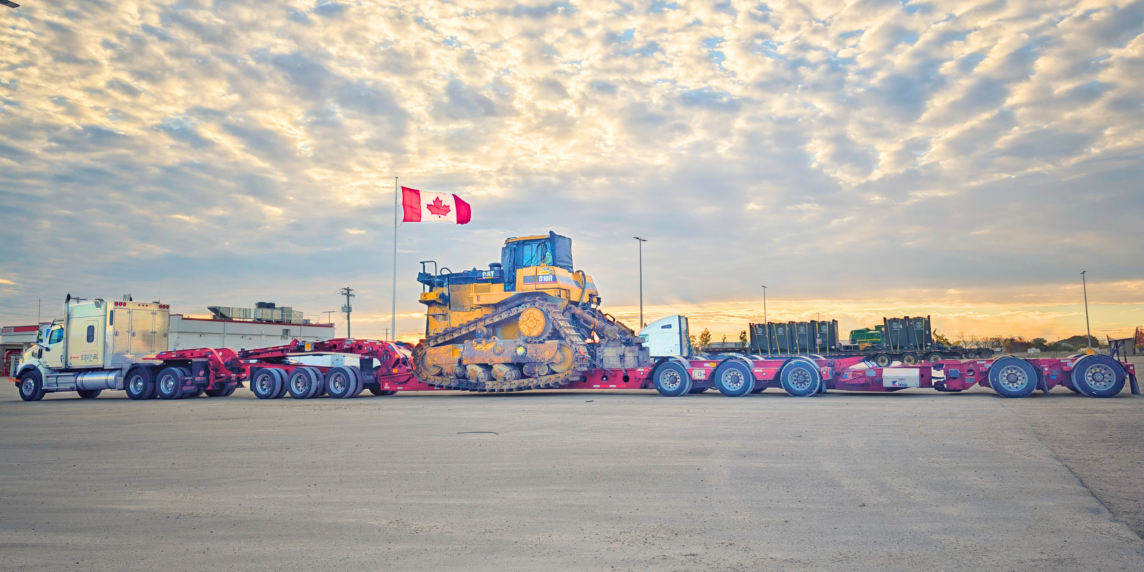
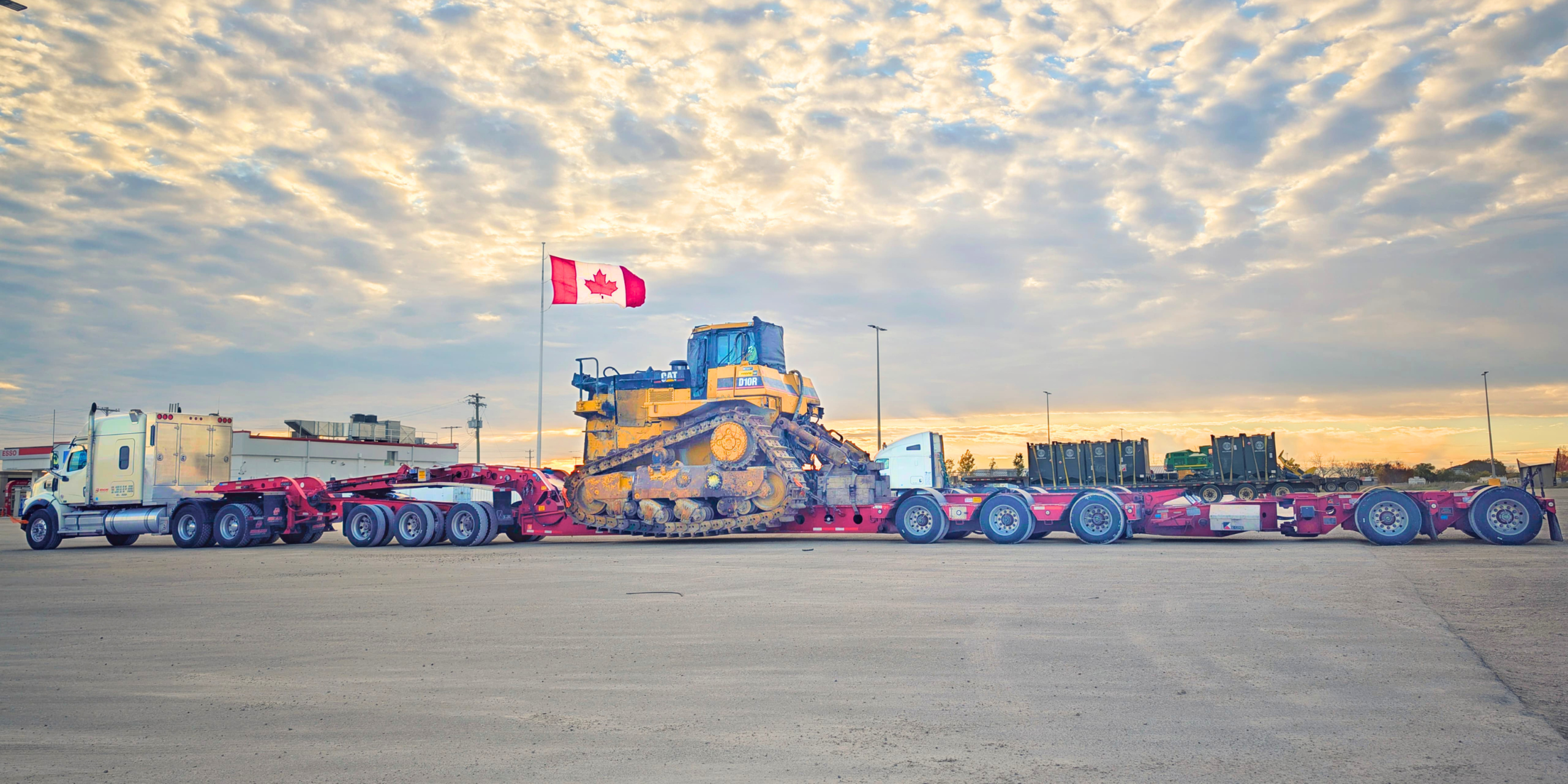
These machines can weigh tens or even hundreds of thousands of pounds, making them impossible to move with standard freight equipment. Bowline Logistics supports mining operations by coordinating multi-truck hauls and extreme weight class shipments, ensuring large equipment arrives safely at site locations without delays.

Transporting mining equipment also requires extensive route analysis, especially when shipments must travel through rural or mountainous terrain. Road restrictions, bridge weight limits, and narrow access points often require custom logistics planning.

Oversized freight movements frequently require multi-truck coordination, particularly when large machines or modular components cannot be transported in a single shipment. Equipment may arrive in phases so that crews on site can assemble or deploy components in the correct order. Coordinating these deliveries reduces downtime and helps project teams keep construction and installation schedules on track.

Once equipment arrives at site, on-site supervisors and logistics coordinators often oversee the unloading process. Working alongside crane operators and construction crews, they help ensure heavy equipment is removed safely from trailers, positioned properly, and handled in accordance with site safety requirements.

For large projects such as mines, energy facilities, or major construction developments, transportation needs rarely end with a single delivery. Many projects require scalable transport capacity over months or even years as additional equipment, materials, and modular structures are brought in to support ongoing site development.

For mining companies operating on strict project timelines, reliable oversized freight transport can make the difference between staying on schedule and experiencing costly delays.

Construction and Heavy Equipment Moves

Construction is another major sector fuelling the growth of oversized freight transport in Western Canada. Large infrastructure projects, such as highways, bridges, pipelines, and industrial developments, require the movement of heavy construction equipment between job sites.

Equipment frequently transported across Alberta and Western Canada includes:

  • Excavators

  • Crushers and screeners

  • Graders and compactors

  • Structural steel and large beams

  • Aggregate processing equipment

These pieces of machinery often travel between dealerships, auction yards, and construction projects throughout the region. Bowline Logistics specializes in transporting high-value construction equipment and heavy machinery, ensuring equipment arrives safely and on schedule.

Heavy equipment transport requires specialized trailers such as lowboys, step decks, and ground loading trailers, allowing self-propelled machines to load and unload efficiently. Logistics providers also frequently coordinate multiple equipment moves simultaneously, especially when companies relocate entire fleets or shift equipment between large construction projects.

This level of coordination helps construction companies minimize downtime and keep projects moving forward.

Industrial Manufacturing and Facility Relocation

Oversized freight transport is also essential for industrial manufacturing operations. Manufacturers often need to move extremely large machinery between facilities or relocate entire production lines.

Industrial freight shipments may include:

  • CNC machines

  • Industrial presses

  • Kilns and conveyors

  • Steel fabrication equipment

  • Modular processing units

Because these machines are sensitive to vibration and movement, specialized securement strategies are required to prevent damage during transit. Bowline Logistics supports manufacturers with timed deliveries and direct routing, ensuring equipment arrives exactly when production schedules require it.

Facility relocations are particularly complex. Equipment often needs to be transported in phases, with storage and staging required between shipments. Cross-docking and temporary storage solutions allow logistics providers to manage large relocation projects efficiently while keeping freight secure.

For manufacturers, minimizing downtime during equipment relocation is critical. Reliable oversized freight transport helps ensure operations resume quickly after equipment arrives at its new destination.

Project Cargo and Complex Freight Logistics

Many industries rely on project cargo logistics when moving extremely large or complex freight shipments. Project cargo refers to shipments that require detailed planning, specialized equipment, and coordinated transportation across multiple trucks or transport modes.

These shipments are often associated with:

  • Oil and gas infrastructure projects

  • Energy sector developments

  • Engineering and industrial installations

  • Aerospace and specialized manufacturing

Project cargo moves frequently involve oversized and high-value freight that must be delivered in a precise sequence. Bowline Logistics provides end-to-end project cargo management, overseeing every aspect of the transport process from planning to final delivery.

This includes coordinating permits, arranging pilot cars, managing escorts, and ensuring compliance with transportation regulations across Canada and cross-border routes into the United States. Dedicated project coordinators oversee complex freight moves, working closely with installation teams and site supervisors to ensure deliveries align with construction timelines.

This level of coordination ensures that large infrastructure projects stay on schedule while minimizing risks associated with transporting oversized freight.

Energy and Utility Infrastructure

The energy sector is another major contributor to oversized freight demand across Alberta and Western Canada. Oil and gas facilities, renewable energy projects, and power generation infrastructure all rely on specialized heavy haul transportation.

Energy-related oversized freight commonly includes:

  • Wind turbine components such as nacelles and rotor hubs

  • Electrical transformers and substations

  • Large conduit and cable reels

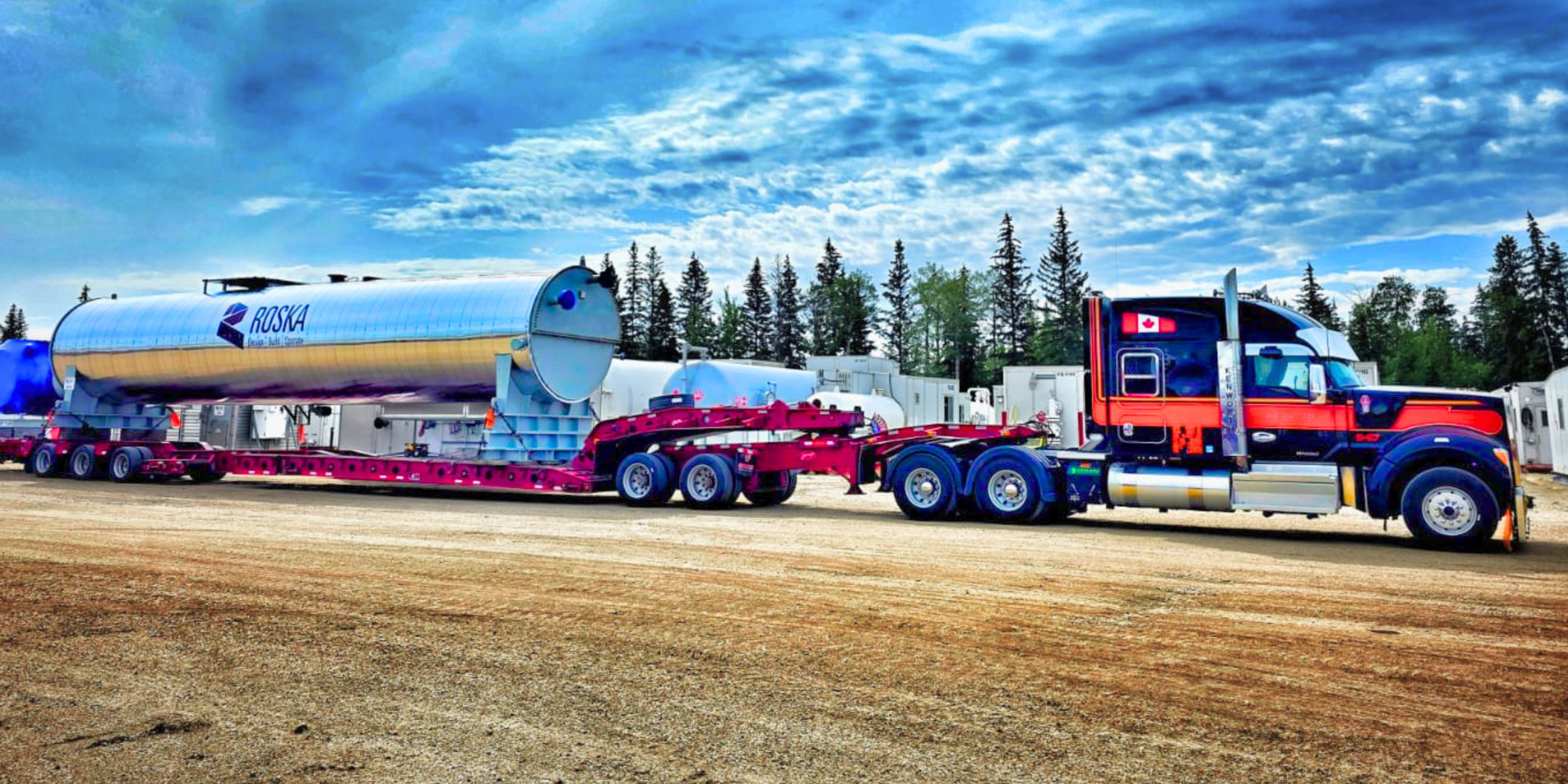
  • Industrial tanks and energy modules

Wind turbine blades alone can exceed 70 metres in length, requiring specialized extendable trailers and careful route planning. Moving energy infrastructure also requires detailed coordination with utility companies and installation crews. Many deliveries must occur at specific times to align with crane operations or site construction schedules.

Bowline Logistics supports energy companies by providing specialized trailers capable of handling extreme weight and length requirements, along with experienced crews that manage permits, escort vehicles, and safety planning. Reliable transportation ensures these critical energy projects move forward without costly delays.

Transporting Modular and Prefabricated Buildings

Another growing area of oversized freight transport involves prefabricated and modular structures. Modular construction has gained popularity across Canada because it reduces construction timelines and allows buildings to be manufactured off-site before being transported to their final location. These buildings often travel as fully finished units, making safe transportation essential.

Common modular freight shipments include:

  • Portable classrooms

  • Job site trailers

  • Container offices and washroom units

  • Multi-section modular homes

  • Industrial modular buildings

Transporting these structures requires specialized trailers such as winch and trombone trailers, along with securement strategies designed to protect walls, frames, and interior components. Bowline Logistics works closely with modular building manufacturers to ensure these structures arrive safely and ready for installation.

Cross-Border Oversized Freight Between Canada and the United States

Many oversized freight shipments also move cross-border between Canada and the United States. Western Canada’s industries frequently rely on equipment manufactured in the United States, while Canadian mining and energy companies export machinery and fabricated components south of the border.

Cross-border heavy haul trucking requires expertise in customs compliance, permits, and international logistics planning. Bowline Logistics operates as a bonded carrier, allowing shipments to move smoothly through border crossings while meeting all regulatory requirements.

Managing cross-border oversized freight involves:

  • Coordinating permits across multiple jurisdictions

  • Managing customs documentation

  • Scheduling pilot vehicles and escorts

  • Ensuring compliance with transportation regulations

Efficient cross-border logistics ensures oversized freight can move seamlessly between Alberta, Western Canada, and key industrial markets across North America.

The Future of Oversized Freight Transport

Demand for oversized freight transport will likely continue to grow as industries invest in infrastructure, energy development, and large-scale construction projects. Western Canada remains a hub for many of these industries, particularly mining, energy, and heavy manufacturing.

As projects grow larger and equipment becomes more specialized, the role of experienced heavy haul transportation providers will only become more important. Companies like Bowline Logistics help ensure oversized freight moves safely, efficiently, and on schedule, supporting the industries that power our economy.

Reliable oversized freight transport is not simply about moving large equipment. It is about enabling major industrial projects, supporting economic growth, and ensuring critical infrastructure reaches the locations where it is needed most.

To learn more about oversized freight transport solutions or to discuss an upcoming project, contact Bowline Logistics.

ABOUT THE AUTHOR

Michelle Green – Project Sales & Business Development

Michelle Green, Project Sales and Business Development - Bowline Logistics

Michelle Green brings a project-focused, execution-driven perspective to specialized freight transport and heavy haul logistics across Alberta and Western Canada. With a background in fluid power technology and commercial diving, she brings a practical, hands-on mindset that translates directly into real-world logistics execution. Particularly for oversized freight, modular structures, and schedule-sensitive industrial projects. Her experience helps ensure complex shipments move safely and efficiently from fabrication yards to remote job sites across Canada and cross-border markets.

0 0 Continue Reading →