If you’ve ever called a trucking company for a quote and wondered why the number came back so different from what you expected, you’re not alone. Freight pricing in Western Canada is one of those things that looks simple from the outside and gets complicated fast the moment you actually need to move something.
There’s no universal rate card. There’s no standard price per kilometre that applies across the board. What you pay depends on a combination of factors: what you’re moving, where it’s going, what equipment it needs, and what the market is doing at the time you’re asking. Understanding those factors won’t give you a fixed number. But it will help you understand why quotes come in the way they do and what you can actually do about it.
Distance Is a Starting Point, Not the Whole Story
Distance is the most obvious factor in any freight quote and also the most misunderstood. Longer hauls generally cost more in total, but the rate per kilometre often drops as distance increases. A short move of 200 kilometres can end up costing more per kilometre than a 1,500-kilometre cross-provincial run, simply because carriers have to cover fixed costs regardless of how far they travel.
Remote and rural destinations add another layer. A delivery to a remote site outside Fort McMurray or in northern BC involves longer roads, access points that need extra coordination, and equipment that may not be available nearby if something goes wrong. All of that factors into the rate. Moving freight between two urban centres and moving it to a remote industrial site are fundamentally different jobs, even if the kilometres look similar on a map.
What You’re Moving Changes Everything
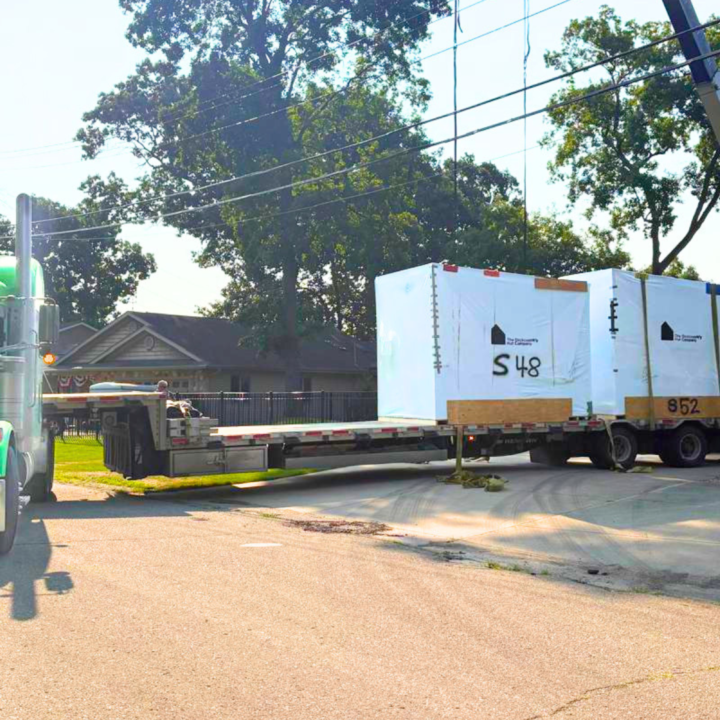
The nature of the freight itself has as much impact on pricing as distance. A flatdeck load of steel pipe moves very differently from a mining excavator, a wind turbine component, or a finished modular building. The more specialized the freight, the more specialized the equipment and expertise required. That gets reflected in the price.
For standard open deck or LTL freight, pricing tends to be more predictable. Weight, dimensions, and commodity type drive the calculation, and rates are relatively consistent across carriers who operate that equipment.
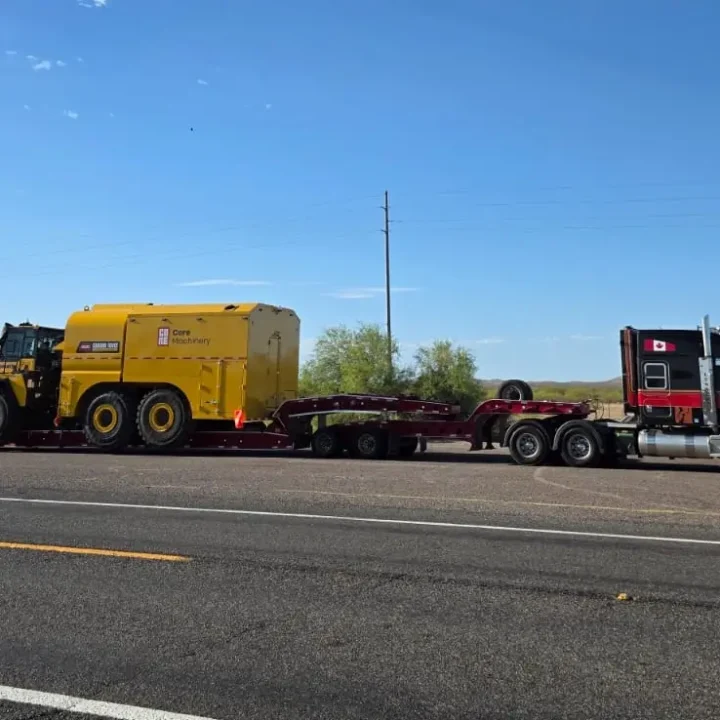
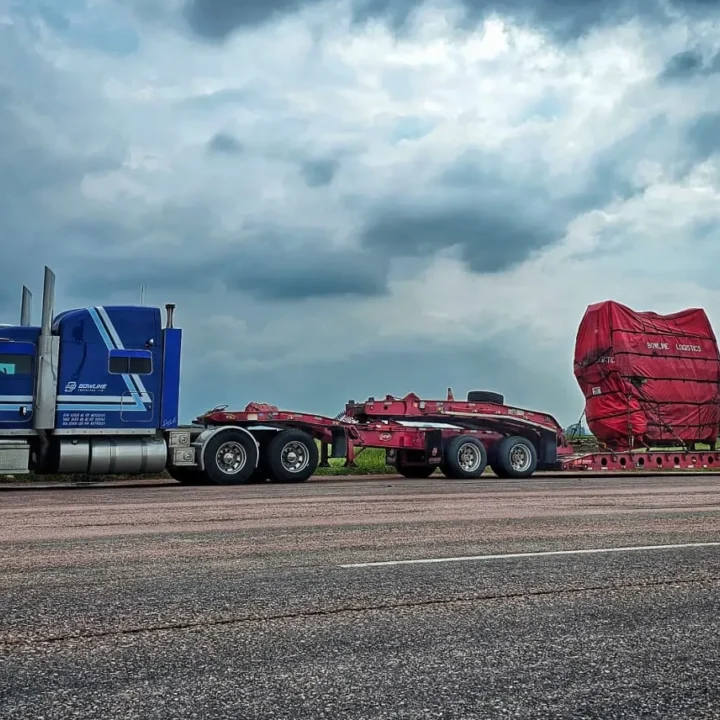
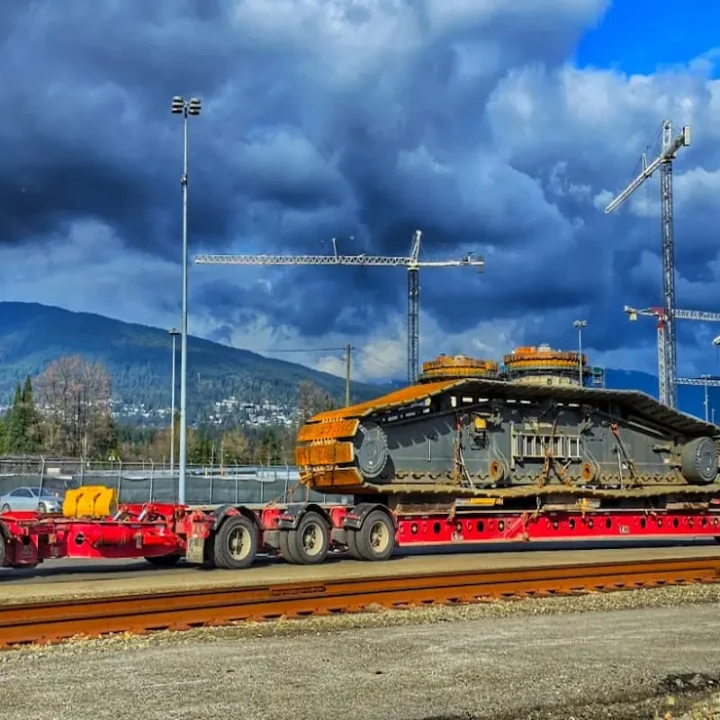
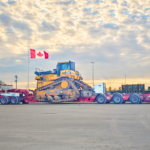
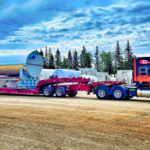
Once you move into heavy haul or oversized territory, the variables multiply. Loads exceeding legal weight or dimension limits require permits, route surveys, escort vehicles, and sometimes bridge analyses or municipal approvals. Each of those elements adds cost, and none of them are optional. A carrier quoting you on a heavy haul move who isn’t accounting for all of those components isn’t giving you a real number.
Equipment Type and Availability
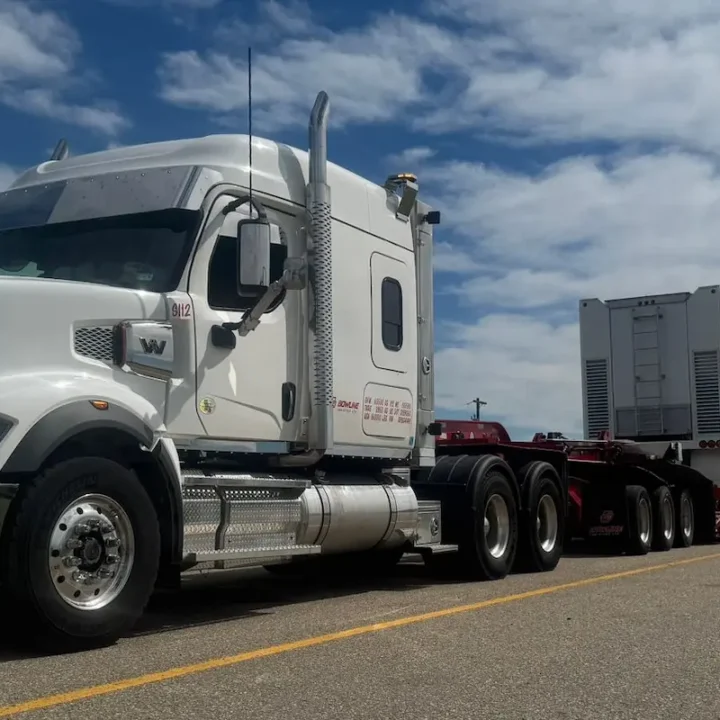
The trailer required for your freight is one of the bigger cost drivers that shippers often don’t fully account for. A standard flatdeck is widely available and competitively priced. A 13-axle RGN capable of moving 165,000 lbs has far fewer operators in the market.
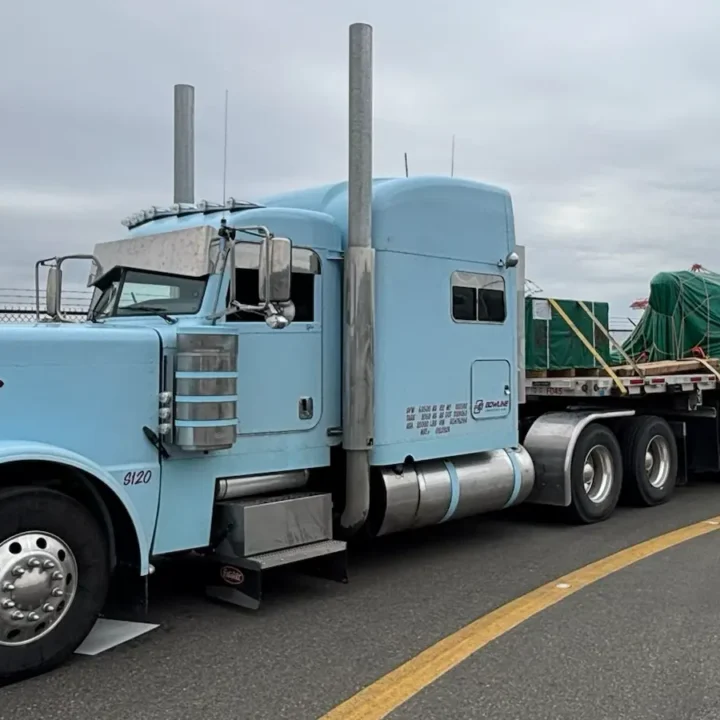
Bowline’s fleet runs everything from low-pro step decks to extendable double-drop trombones and heavy RGN configurations. That means the right equipment is typically available without having to broker it out. But across the industry, specialized trailer availability is genuinely limited, and when demand peaks in spring and summer, competition for that equipment drives pricing up. If you need a specific trailer configuration for a specific window, lead time is your best cost-control tool.
Fuel Surcharges Are Real and They Move
Fuel surcharges are a standard component of any freight quote in Canada, and they’re not a padding exercise. They exist because diesel prices are volatile and carriers can’t absorb sudden swings in operating costs without passing some of that along.
In Q1 2026, Canadian diesel prices climbed close to 30 percent in a matter of weeks following supply disruptions. Levels not seen since 2022. Fuel surcharges index to prior-period diesel prices, so they lag behind sudden spikes. When prices jump fast, that gap has to land somewhere in the supply chain. Understanding that fuel surcharges are a variable, not a fixed fee, helps when you’re budgeting a project that spans several months.
Permits, Escorts, and the Costs of Compliance
For oversized and overweight freight, permits are a real cost that gets underestimated more often than not. Each province has its own permitting requirements, thresholds, and approval timelines. A multi-provincial move can require separate permit applications in each jurisdiction. Cost and time vary significantly depending on load dimensions and route.
Carriers typically coordinate and bill escort vehicles and pilot cars separately from the truck. Depending on load size and route, a single move might require a front escort, a rear escort, or multiple pilot vehicles at different points. That coordination has a cost, and it’s a legitimate one. A carrier who leaves this out of a quote either hasn’t thought it through or plans to surprise you with it later.
Timing and Seasonality
When you need to move freight matters almost as much as what you’re moving. Western Canada’s freight market has real seasonal patterns. Spring and summer are peak periods for construction, mining, and project cargo. Demand for specialized equipment peaks and capacity tightens accordingly. Rates reflect that.
Spring road ban season also affects routing and timing in ways that can add cost.Loads that move efficiently in winter may need to be rerouted, split, or delayed during the thaw. Shippers who plan for seasonality and book early tend to get better pricing and more flexibility. Those who call in peak season looking for a truck next week are negotiating from a weaker position.
LTL vs FTL: Picking the Right Option
For freight that doesn’t fill a trailer, LTL consolidates your load with others heading the same direction. It’s typically more cost-effective for smaller shipments, but it comes with less control over timing and sequencing. If your freight is time-sensitive or needs to arrive in a specific order relative to other project deliveries, LTL may not be the right fit even if the price looks better on paper.
Full truckload gives you the trailer and its departure time. You’re paying for dedicated capacity, but in return you get more predictability and direct routing. For industrial clients with project-critical deliveries, that predictability is often worth the premium. The break-even point between LTL and FTL typically sits around 10 to 12 pallets or roughly 50 percent of a trailer. That calculation shifts depending on freight type and urgency.
Storage and Transloading Add Flexibility, Not Just Cost
Not every freight move is a straight line from origin to destination. Industrial projects often involve staged deliveries, unconfirmed install windows, and freight that arrives before a site is ready. Storage and transloading services let carriers hold, reposition, and redistribute freight without leaving it on a truck or creating expensive delays on a job site.
Bowline operates 5-acre fenced and monitored yards in Spruce Grove and Regina, which means freight moving through those corridors can be staged and managed as part of the overall project rather than as a standalone shipment. For multi-phase projects, that flexibility is a real value, not just a line item.
What the Market Is Doing Right Now
Freight pricing doesn’t exist in a vacuum. The broader market affects what carriers charge, what capacity is available, and how much room there is to negotiate. After a prolonged freight recession that squeezed carrier margins for nearly two years, the Western Canada market is showing early signs of a turn. Spot rates hit a cycle high in early 2026 and capacity is tightening, particularly on specialized and heavy haul equipment. That trend is expected to continue through the back half of 2026.
Shippers who locked in relationships and contract pricing during the softer market are in a better position than those entering fresh right now. It also reinforces the value of planning ahead. When capacity tightens, shippers with established carrier relationships and realistic lead times consistently outperform those relying on the spot market.
The Honest Answer on Pricing
There is no single answer to what it costs to move freight in Western Canada, because no two moves are exactly alike. Distance, freight type, equipment requirements, permits, seasonality, and market conditions all play a role. A good carrier is transparent about which factors apply to your move and why the quote reflects what it does.
If a quote comes back without any explanation of what’s driving it, that’s worth asking about. And if a quote comes back significantly lower than everything else you’ve received, it’s worth asking what’s been left out.
– –
ABOUT THE AUTHOR
DeVaughn McEwan – Inside Sales & Marketing Lead

DeVaughn works across inside sales and content development at Bowline Logistics, where his focus with Bowline Insights is on making the complex world of heavy haul and oversized freight easier to understand. With a background spanning marketing, finance, and the transportation industry, he translates technical logistics into clear, real-world insights drawn from the work happening on the ground. If you’ve ever wished someone would just explain freight in plain language, that’s the goal.