A Deep Dive into Heavy Haul Trucking, Open Deck Freight, and Specialized Logistics Across Western Canada and North America
Heavy hauling is more than just moving big equipment, it’s a specialized sector of trucking and logistics that demands precision, power, and planning. Whether it’s transporting a 100,000 lb transformer through Alberta’s backroads or moving oversized mining equipment across the U.S. border, heavy haul freight is a critical pillar of infrastructure, manufacturing, and construction across Western Canada and North America.
But what exactly qualifies as “heavy haul”? And what goes into ensuring that kind of freight arrives safely and on time?
Let’s break it down.
What Is Heavy Haul Trucking?
Heavy haul trucking refers to the transportation of oversize or overweight freight that exceeds standard legal limits. These loads often require specialized trailers, permits, escort vehicles, and routing strategies.
Legal Weight and Size Thresholds:
- Weight: 80,000 lbs gross vehicle weight (varies slightly by province/state)
- Width: More than 8.5 feet (102 inches)
- Height: More than 13.5 feet
- Length: Over 53 feet for trailers (varies with configurations)
These thresholds can vary by province, territory, or state — so working with a logistics provider who knows the regional rules is essential.
Common Industries That Require Heavy Haul Services
Heavy haul trucking plays a foundational role in industries that rely on the movement of massive, mission-critical freight.
Key Sectors Served:
- Construction & Infrastructure: Cranes, excavators, concrete forms, and bridge beams.
- Mining: Oversized drills, haul trucks, crushers, and processing modules.
- Energy & Utilities: Wind turbine components, transformers, substations, and oil & gas skids.
- Manufacturing: Industrial press systems, generators, and CNC machinery.
- Agriculture: Grain bins, combines, and oversized implements.
If it can’t fit in a dry van or if it weighs more than 50 tons you’re likely in heavy haul territory.
It’s Not Just the Truck, It’s the Planning
Transporting an oversized load isn’t as simple as strapping it to a flatbed. It takes smart logistics planning and execution from a team who knows how to make it happen.
Heavy Haul Freight Planning Includes:
- Route Surveys: Identifying bridge heights, weight restrictions, and tight corners.
- Permitting: Securing oversize/overweight permits across multiple jurisdictions.
- Pilot Car Coordination: Escort vehicles to ensure safe passage.
- Load Engineering: Ensuring proper balance, securement, and support.
- Traffic Timing: Some loads can only move during specific hours or days.
That’s the kind of planning Bowline’s team handles as part of every move. Offering turnkey freight solutions with specialized support across Canada and North America.
Open Deck Equipment Built for the Job
The right trailer makes all the difference when it comes to heavy haul freight. Open deck equipment allows for top-load, side-load, and crane-load capability, and can be customized for load dimensions.
Types of Open Deck Trailers Used in Heavy Haul Trucking:
- Flatbeds: Versatile, up to 48–53 feet long. Ideal for lumber, steel, or lighter oversized freight.
- Step Decks: Lower deck height for taller loads, common in equipment transport.
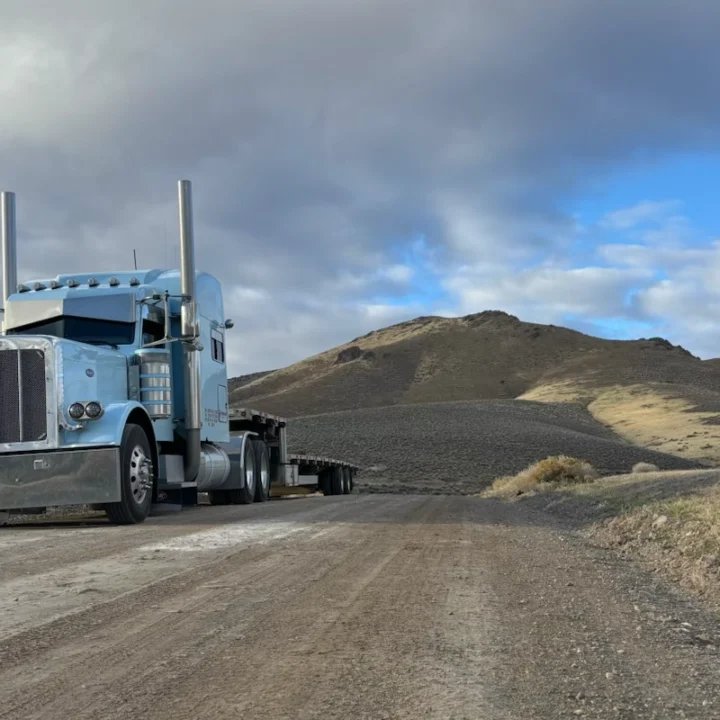
- Double Drops / Lowboys: Ultra-low clearance for tall and heavy machinery.
- Extendable Trailers: Ideal for long components like beams or wind turbine blades.
- Multi-Axle RGN (Removable Gooseneck): Heavy-duty builds to haul up to 150,000 lbs.
- Trombone Trailers: Extendable for modular buildings or oversized pipes.
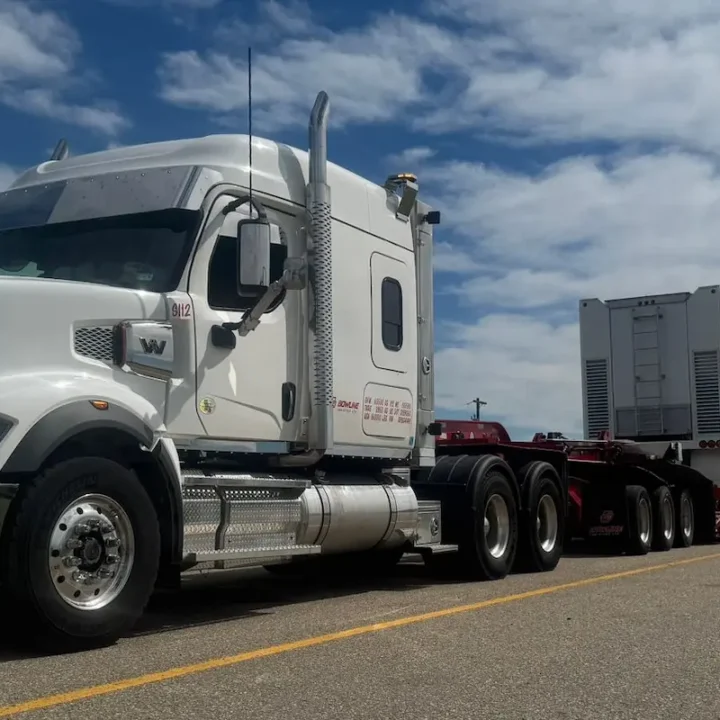
Every Bowline truck and trailer is meticulously maintained and selected for the job at hand and every route is mapped with the equipment’s dimensions and turning radii in mind.
Heavy Haul in Western Canada and North America
Western Canada is a hotbed for heavy haul freight with sprawling infrastructure projects, energy developments, and remote-access mining operations.
Provinces Where Heavy Haul Is Critical:
- Alberta: Oilfield skids, transformers, oversized tanks.
- Saskatchewan: Mining drills, combines, fertilizer spreaders.
- British Columbia: Hydroelectric components, forestry machinery.
- Manitoba: Grain bins, utility modules, structural steel.
And it doesn’t stop at the border.
Bowline Logistics operates across North America, coordinating cross-border heavy haul freight between Canada and the U.S., handling permits, customs, and compliance on both sides of the border.
Cross-Border Heavy Haul with Bowline:
- Licensed bonded carrier
- Customs clearance management
- Northbound and southbound freight
- U.S. routing, permitting, and compliance support
- Real-time tracking and communication
Whether it’s a turbine from B.C. to Texas or a grain processor from Saskatchewan to Ohio, the coordination is handled from pickup to delivery.
Why Heavy Haul Freight Requires a Trusted Carrier
In the logistics industry, reliability isn’t a buzzword, it’s everything.
Heavy haul jobs are high-risk and high-stakes. A single permit error, a wrong turn, or poor securement can cost companies millions in delays, damages, or fines.
That’s why shippers across Western Canada and North America choose Bowline Logistics when reliability matters most.
How Bowline Makes Heavy Haul Freight Happen
Heavy haul moves are complex by definition. Here’s how Bowline approaches them:
Bowline Logistics Heavy Haul Capabilities:
- Project Planning: End-to-end support for complex, multi-load jobs.
- Fleet Diversity: Access to flatbeds, step decks, RGNs, and extendables.
- On-Site Support: Supervisors available for loading and securement.
- Bonded & Insured: Cross-border expertise, full compliance, peace of mind.
- Yard Facilities: Staging and transloading available in Alberta and Saskatchewan.
What Types of Loads Count as Heavy Haul?
Let’s get specific. Here’s a snapshot of the types of cargo that typically qualify as heavy haul trucking freight.
Examples of Heavy Haul Loads:
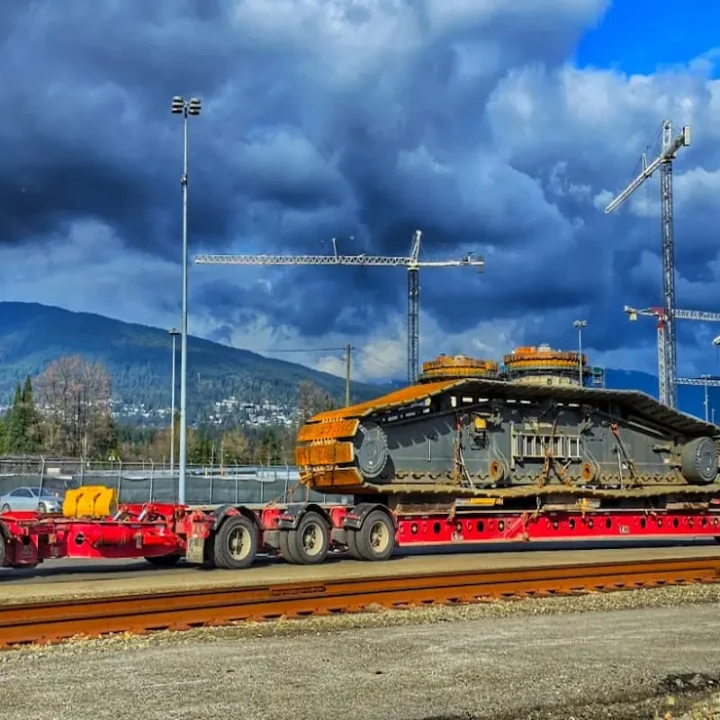
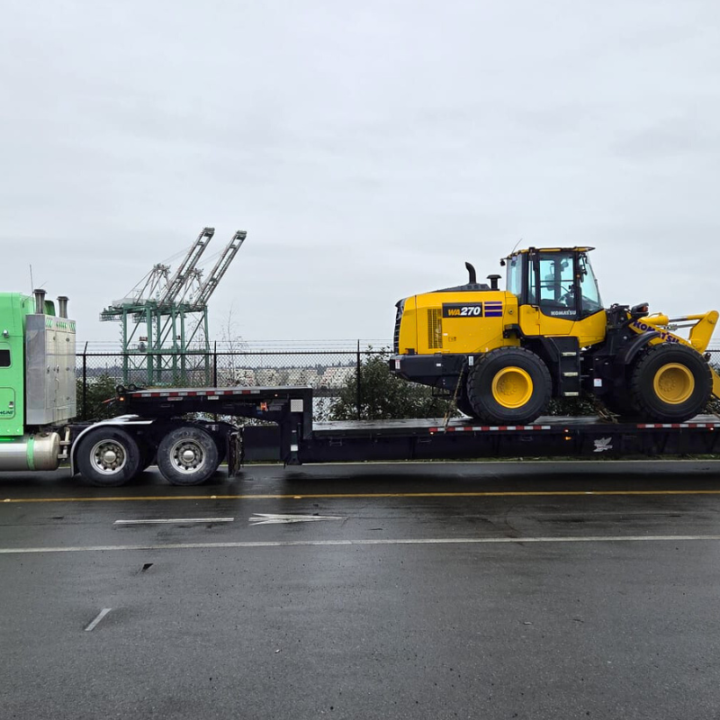
- Excavators and bulldozers
- Wind turbine nacelles and blades
- Electrical transformers
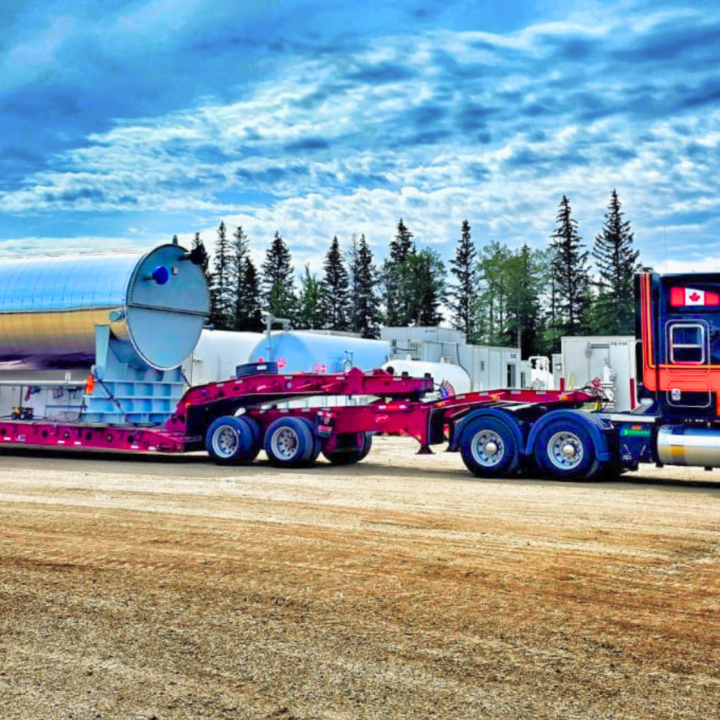
- Industrial boilers
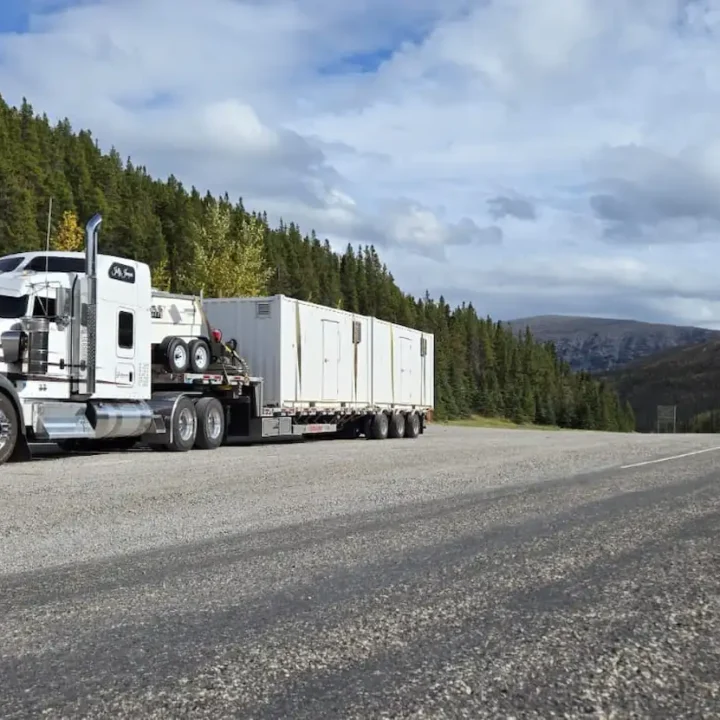
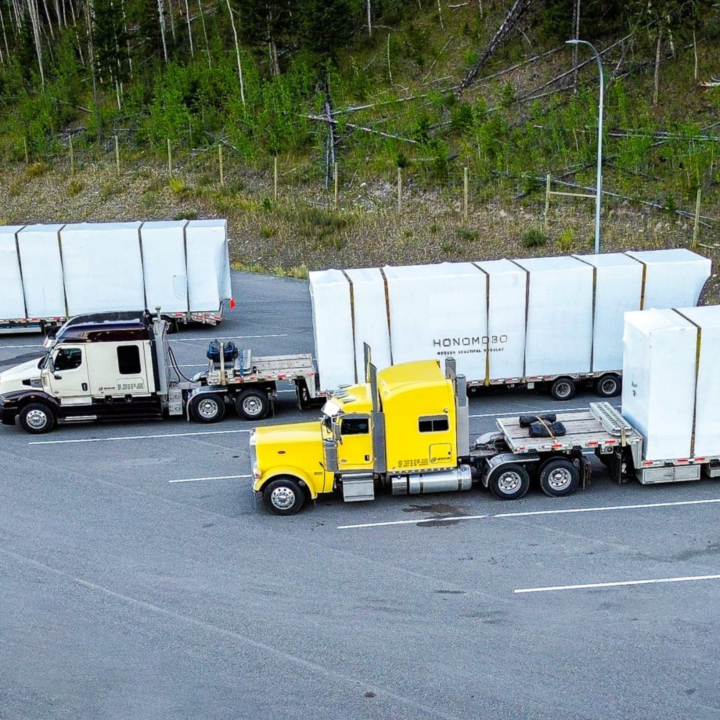
- Modular offices and prefab buildings
- Hydraulic presses
- 10’ wide steel tanks
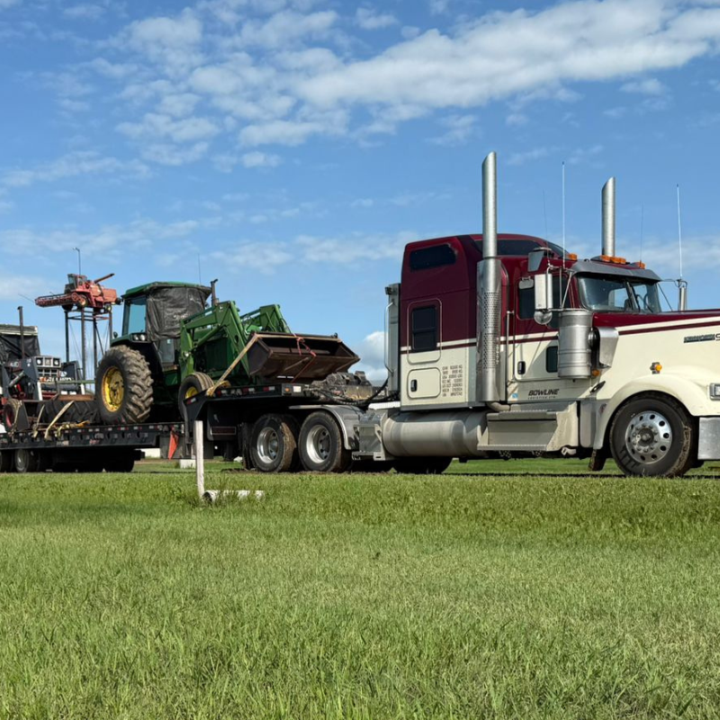
- Agricultural sprayers and grain carts
- Mining shovels and haul truck beds
If your load needs special routing, extra axles, or an escort car, it’s a heavy haul.
Open Deck vs Enclosed: Why Open Deck Rules in Heavy Haul
In standard freight, enclosed trailers dominate. But when it comes to oversize and overweight loads, open deck trailers are the only way forward.
Benefits of Open Deck Freight in Heavy Haul Logistics:
- Flexible Loading: Cranes or forklifts can load from the top or side.
- Size Accommodation: Oversized width or height isn’t restricted by walls or roofs.
- Modular Load Setup: Combine equipment, components, or crates into one haul.
- Securement Options: Multiple tie-down points for safety.
Bowline’s open deck fleet is set up for this kind of work, with drivers who understand what proper securement actually requires on high-risk loads.
Permits, Paperwork, and Planning: What You Need To Heavy Haul
One of the most misunderstood parts of heavy haul is the paperwork. Moving a 70-ton excavator from Saskatchewan to North Dakota isn’t just a matter of horsepower. It’s about compliance.
What’s Required for a Heavy Haul Move?
- Oversize/Overweight permits (per province/state)
- Customs documentation for cross-border hauls
- Pilot car scheduling and compliance
- Route mapping and bridge analysis
- Equipment inspections and pre-trip certifications
Bowline’s in-house logistics team manages all of it.
When to Call in the Heavy Haul Experts
Not every load is a heavy haul. But when it is, you’ll know. Here are the signs you need a heavy haul logistics provider:
- The load won’t fit in a standard trailer
- You’re dealing with construction, mining, or energy infrastructure
- Permits or escorts are required
- Your freight exceeds 50,000–80,000 lbs
- You’re unsure how to route the load safely
Heavy haul trucking is essential to progress. It builds our cities, powers our homes, feeds our economies, and keeps projects moving forward. When a load needs specialized equipment, proper permits, and a team that knows the route, that’s where the work begins.
Looking to move a heavy haul load?
Reach out to Bowline Logistics today and discover what reliability really looks like.
ABOUT THE AUTHOR
DeVaughn McEwan, Inside Sales & Marketing, Bowline Logistics

DeVaughn works across inside sales and content development at Bowline Logistics, where his focus with Bowline Insights is on making the complex world of heavy haul and oversized freight easier to understand. With a background spanning marketing, finance, and the transportation industry, he translates technical logistics into clear, real-world insights drawn from the work happening on the ground. If you’ve ever wished someone would just explain freight in plain language, that’s the goal.

One comment
I had no idea that heavy hauling was so complex. Really interesting stuff.