Moving freight across the border between Canada and the United States sounds straightforward enough: load a truck, hand over the paperwork, flash a smile at the customs officer, and off you go. Except… not quite.
In reality, cross-border trucking is a finely tuned, regulation-heavy dance between logistics planning, customs clearance, and problem-solving on the fly. And unlike a leisurely summer road trip, this one doesn’t allow for scenic detours, not unless you like fines, shipment delays or having your goods sent back to where they came from.
For shippers and manufacturers, partnering with the right cross-border trucking company can mean the difference between delivering on time and delivering excuses. That’s where Bowline Logistics comes in. But before we get to that, let’s talk about why cross-border freight transport is a whole different beast.
Why Cross-Border Trucking is Not Just “Domestic Plus Paperwork”
Domestic freight transport has its challenges – scheduling, load security, equipment maintenance – but the moment you add an international border, the complexity increases exponentially. Cross-border logistics involves navigating two sets of regulations, customs requirements, and carrier responsibilities.
When your freight is moving from Saskatchewan to South Dakota or from Vancouver to Vegas, your trucking partner needs to:
-
Understand customs clearance procedures for both Canada and the USA.
-
Be equipped for international freight shipping, including USMCA/NAFTA documentation.
-
Manage carrier licensing and insurance in two countries.
In short: cross-border freight solutions demand both experience and precision.
Customs Clearance: The Gatekeeper of Cross-Border Logistics
Ask any veteran in Canada-US freight transport what slows a shipment down, and “customs clearance” will almost always top the list.
The process requires more than a commercial invoice and a handshake. You’ll need:
Bill of Lading (BOL)
The master document of the shipment. Think of the Bill of Lading as the freight world’s version of a boarding pass, ID, and contract all rolled into one. It’s issued by the carrier to the shipper and serves three big purposes:
-
Receipt of Goods: Confirms that the carrier has received the freight in good order.
-
Contract of Carriage: Lays out the agreed terms for transporting the goods from origin to destination.
-
Document of Title: Proves who legally owns the goods while they’re in transit.
For cross-border trucking companies, accuracy here is non-negotiable. Every detail from the shipper’s and consignee’s names to the freight description, weight, and quantity must be spot on. If the BOL says “10 pallets” and customs counts 11, you’re about to have a very long day at the border.
Commercial Invoice
If the Bill of Lading says what’s moving, the Commercial Invoice explains what it’s worth. Customs officers care a lot about that number. This document details:
-
The seller’s and buyer’s full information.
-
A complete description of the goods.
-
Quantities and unit prices.
-
The total value of the shipment.
-
Currency of sale.
-
Incoterms (who’s responsible for freight, insurance, and duties).
Why so much detail? Customs uses the Commercial Invoice to calculate duties and taxes, verify compliance with trade agreements, and make sure you’re not undervaluing goods to sneak in under tariff thresholds. One missing or vague line here can cause your Canada-US freight transport to grind to a halt.
Certificate of Origin
Under the United States–Mexico–Canada Agreement (USMCA), certain goods qualify for reduced or zero tariffs, but only if you can prove where they were made.
This document certifies that the goods meet the agreement’s rules of origin. It needs to be completed accurately and kept on file (often for up to five years) in case customs decides to audit. For example, a Saskatchewan-manufactured piece of farm equipment heading to North Dakota could move duty-free if the Certificate of Origin is in order. Without it? You’re paying full duties, and the competitive pricing advantage is gone.
Customs Broker Coordination
Customs brokers are like translators between your business and the ever-changing, acronym-heavy world of border regulations. They handle:
-
Assigning the correct Harmonized System (HS) codes.
-
Filing customs entries electronically.
-
Calculating duties, taxes, and fees.
-
Liaising with customs officials to smooth out any issues.
In cross-border logistics, a seasoned customs broker is the difference between a truck rolling through the port of entry and one parked for hours while drivers re-fax paperwork (yes, fax still exists at some borders). Experienced carriers work closely with trusted brokers, often having them pre-clear shipments with tariff codes before the truck even arrives at the crossing.
Without the right customs brokerage for trucking companies, shipments risk being held, inspected or outright denied entry. Carriers who integrate customs procedures into their operations keep freight moving instead of sitting idle at the border.
Paperwork: The True Border Patrol
For cross-border trucking companies, paperwork is more than a formality — it’s the lifeline of the operation. The smallest mistake in a Harmonized System (HS) code or mismatch between documents can trigger delays, extra costs, or, in extreme cases, seizures.
Pro tip: Triple-check paperwork before the truck leaves the yard. It’s much easier to correct a PDF than a truckload of goods parked on the wrong side of the border.
Regulatory Differences That Keep Drivers Awake at Night
Rules change the moment wheels cross the border. Canadian drivers entering the U.S. must comply with Federal Motor Carrier Safety Administration (FMCSA) regulations, while American drivers heading north must meet Canadian safety, insurance, and compliance requirements.
Some differences include:
-
Hours of Service (HOS): Limits on driving time and rest breaks vary.
-
Insurance Minimums: Liability requirements differ between countries.
-
Weight Limits: Axle weight and total gross vehicle weight standards vary by state and province.
These aren’t “guidelines” — they’re hard requirements, and failing to follow them can stop a shipment in its tracks.
Freight Types That Need Special Attention
Not all freight is created equal in the eyes of customs and transport laws. Some types of loads require additional documentation, permits, or handling protocols:
LTL Cross-Border Shipments
Multiple customers’ goods in one truck require meticulous documentation for each shipment.
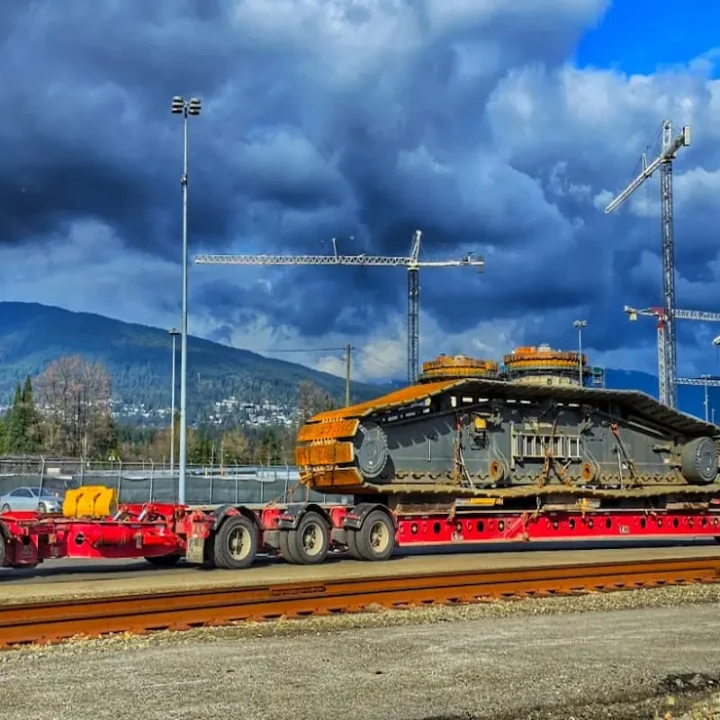
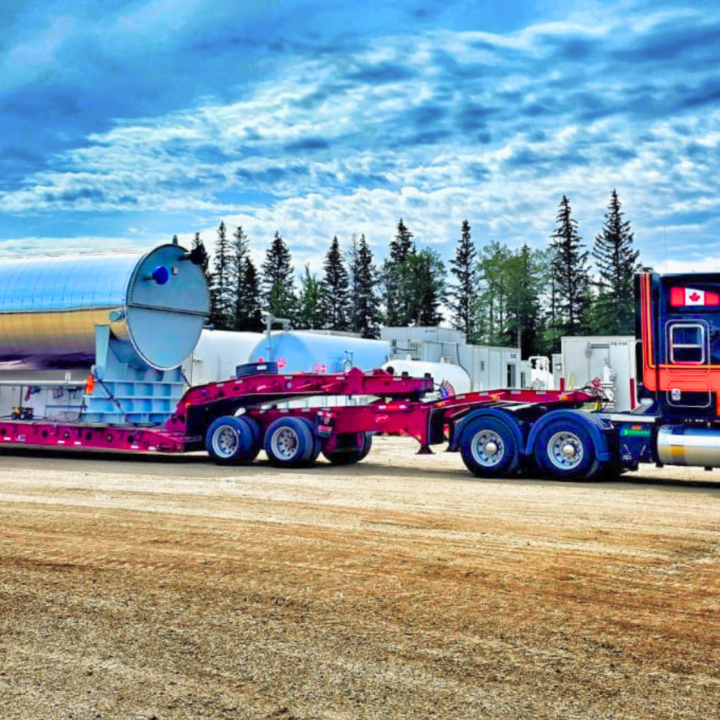
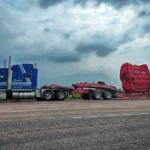
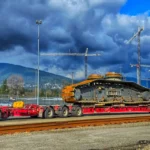
Oversized Cross-Border Loads
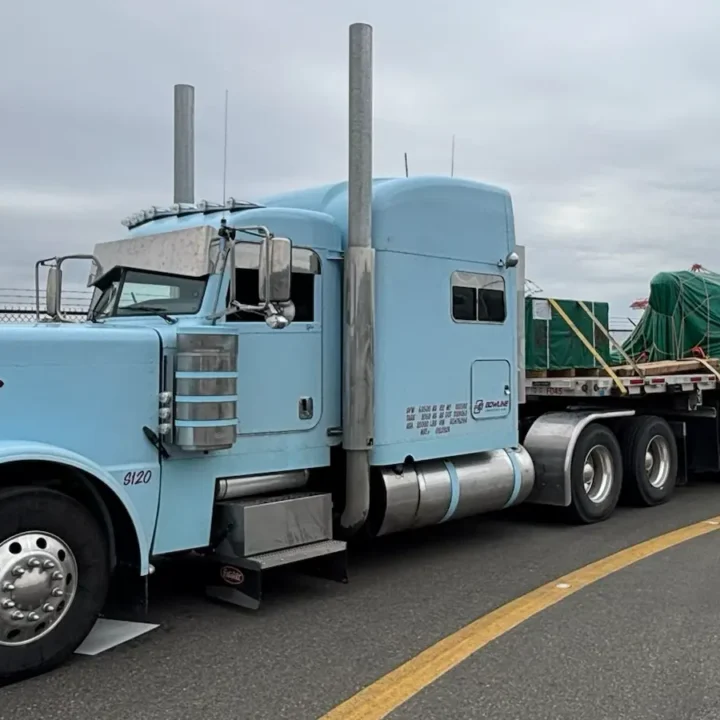
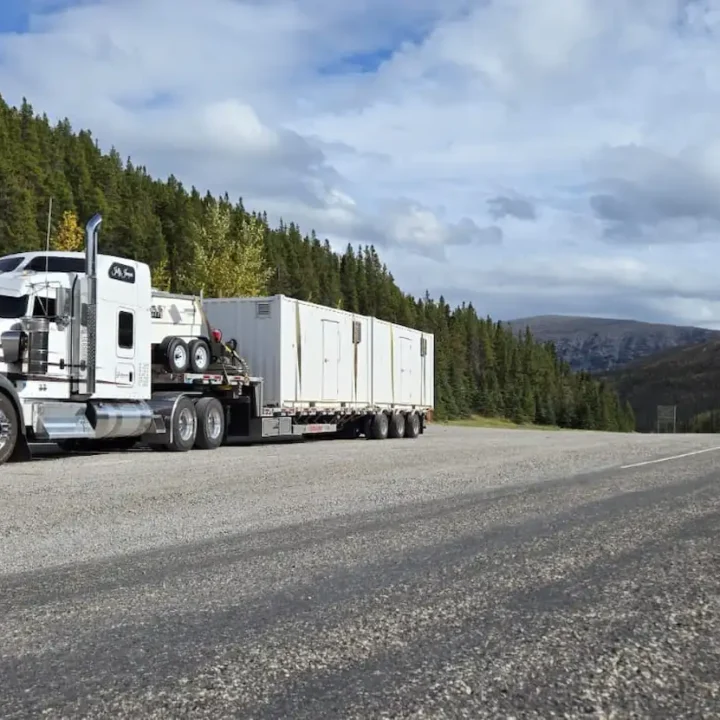
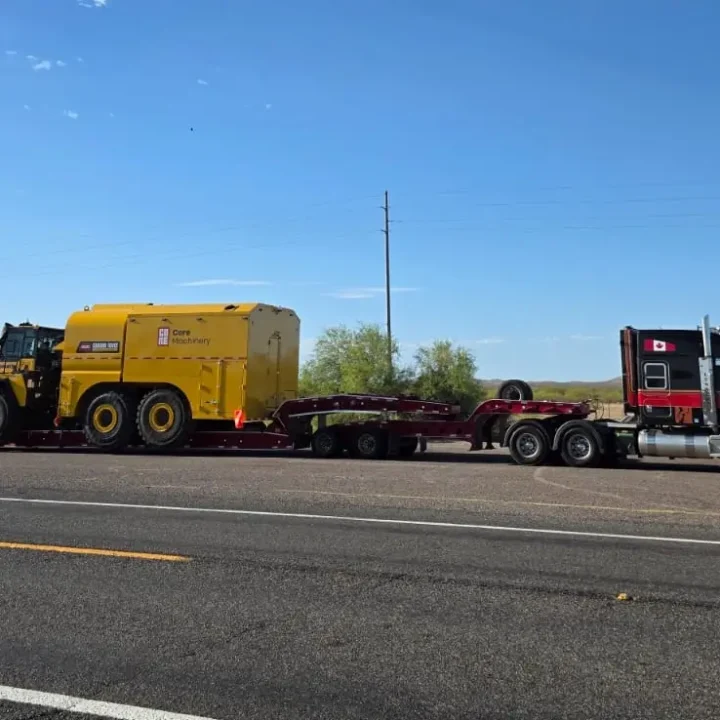
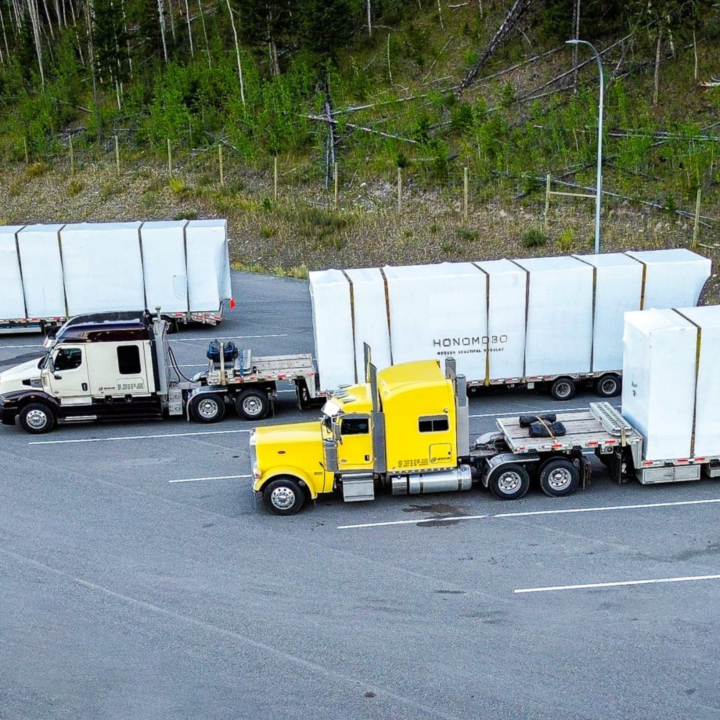
Think wind turbine blades or heavy machinery. These require special routing, permits, and sometimes escorts.
Temperature-Controlled Cross-Border Freight
From fresh produce to pharmaceuticals, any break in the cold chain can spell disaster.
Dangerous Goods
Flammable, toxic, or otherwise hazardous freight must meet both Transport Canada and U.S. Department of Transportation standards.
The High Cost of Getting It Wrong
If a shipment is delayed or turned back at the border, it’s not just the delivery that takes a hit, the ripple effects can be costly and far-reaching. Missed deadlines with downstream customers can throw entire schedules into chaos, while storage and demurrage fees quickly add up, eating into profit margins. On top of that, every delay chips away at your reputation with buyers and partners, eroding trust that took years to build. In a cross-border supply chain, even a 24-hour setback can derail production timelines, making the choice of a cross-border trucking company one of the most critical decisions in your logistics strategy.
Why Choosing the Right Cross-Border Trucking Company Matters
Here’s the thing, anyone with a truck and a passport can technically move freight across the border. But only a select few can do it with the efficiency, compliance, and reliability that keeps your supply chain humming.
A great cross-border freight transport partner will:
-
Maintain close relationships with customs brokers.
-
Offer route planning that optimizes both speed and compliance.
-
Have drivers experienced in international freight shipping, not just domestic.
What to Look for in a Cross-Border Trucking Partner
Cross-border trucking requires more than a truck and a licence. Here is what a carrier who actually knows this work looks like in practice:
-
Bonded Carrier Status: We can move goods through customs-controlled areas without paying duties immediately.
-
Seamless Canada–U.S. Coverage: Coast-to-coast in Canada and deep into the U.S. — no outsourcing to unknown carriers.
-
Proven Compliance: Our team knows the regulations inside and out, keeping freight moving without costly hiccups.
Whether it’s a single load from Calgary to Colorado or ongoing cross-border supply chain support, we combine industry know-how with the personal service that keeps shippers coming back.
Your Freight Deserves a First-Class Border Crossing
Cross-border freight shipping is not the place for trial and error. Every delay, every missing document, every overlooked permit eats into your margins and erodes customer trust.
So, if you’re ready to keep your Canada-U.S. freight moving without the drama, sign-up for a Free Quote from Bowline Logistics.
ABOUT THE AUTHOR
DeVaughn McEwan, Inside Sales & Marketing, Bowline Logistics

DeVaughn works across inside sales and content development at Bowline Logistics, where his focus with Bowline Insights is on making the complex world of heavy haul and oversized freight easier to understand. With a background spanning marketing, finance, and the transportation industry, he translates technical logistics into clear, real-world insights drawn from the work happening on the ground. If you’ve ever wished someone would just explain freight in plain language, that’s the goal.