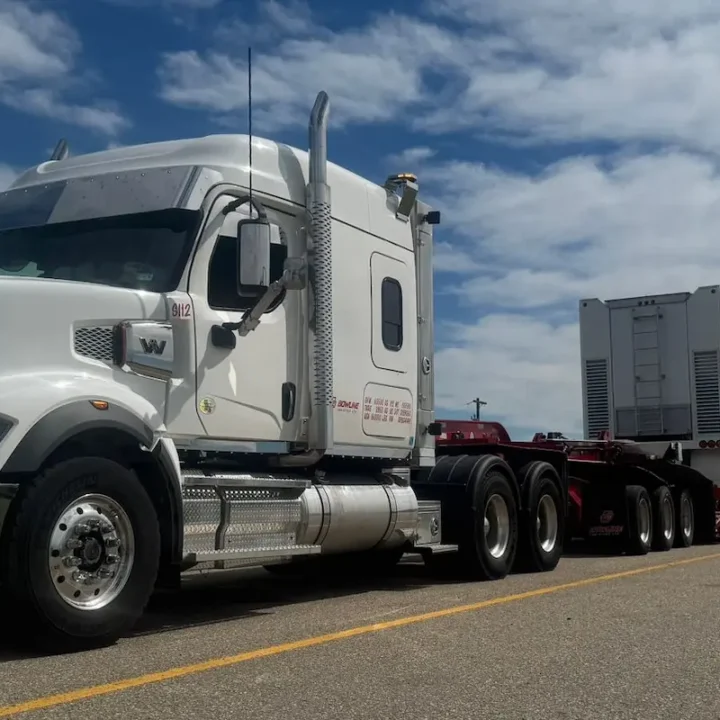
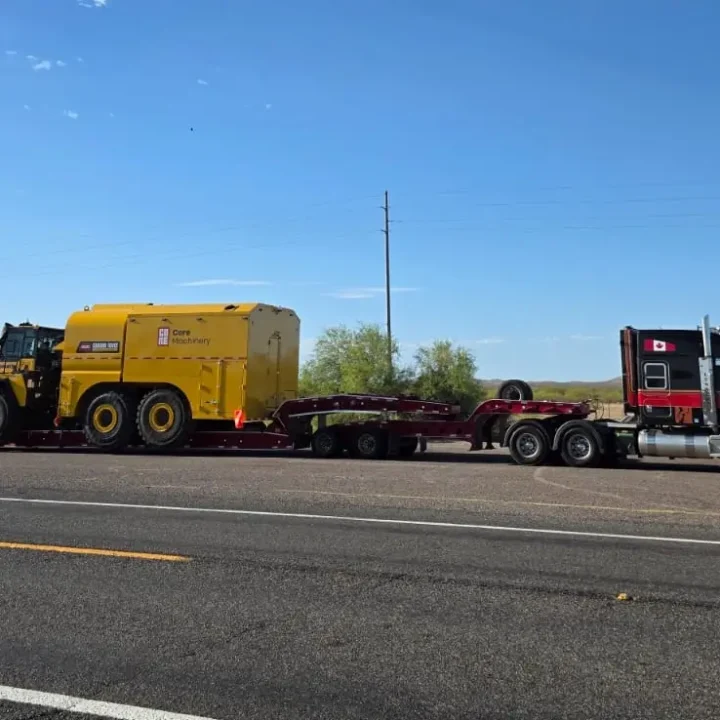
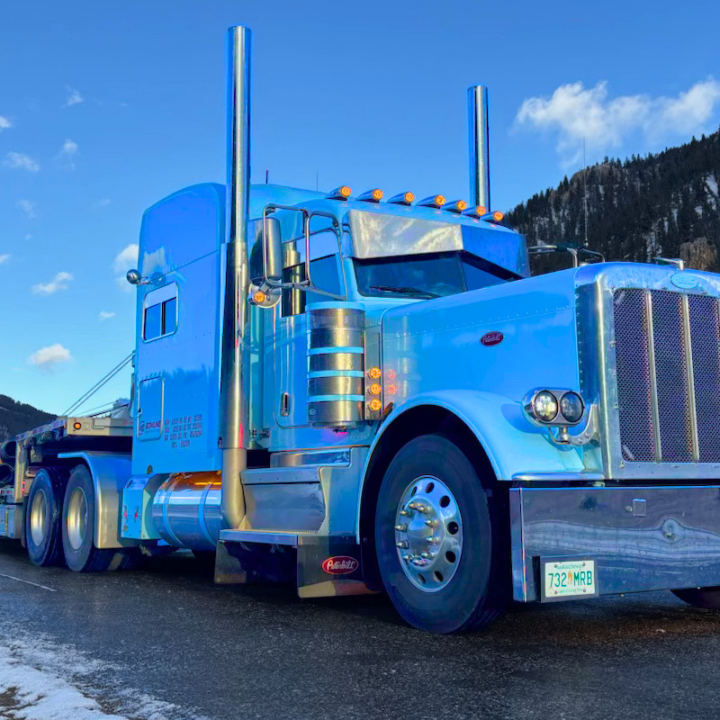
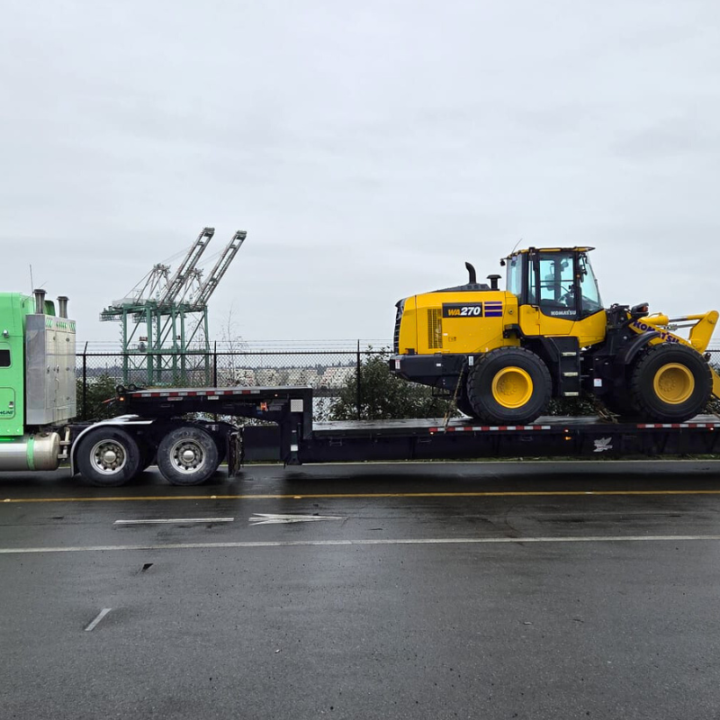
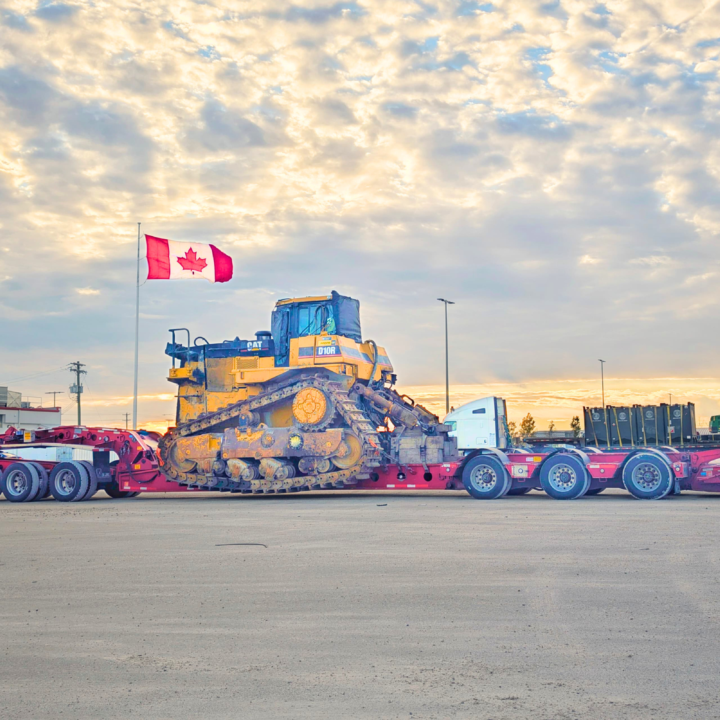
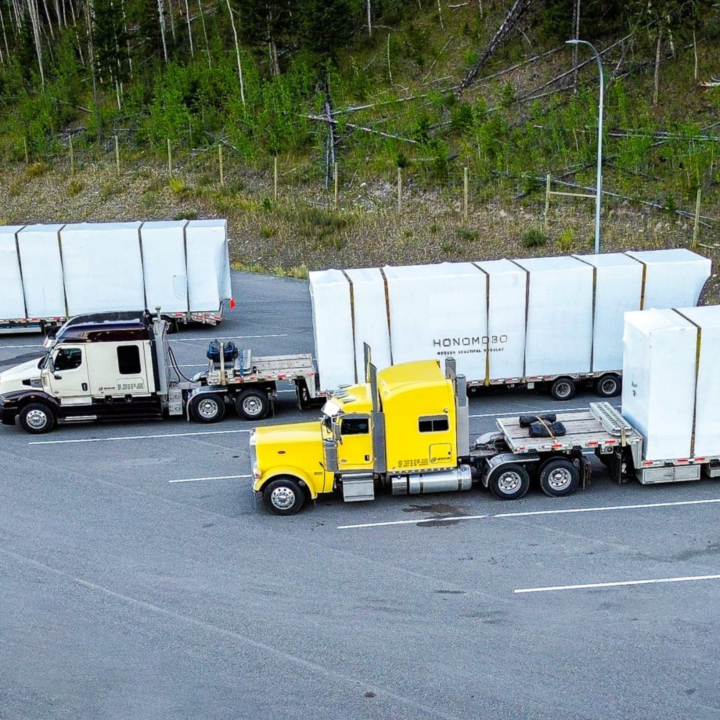
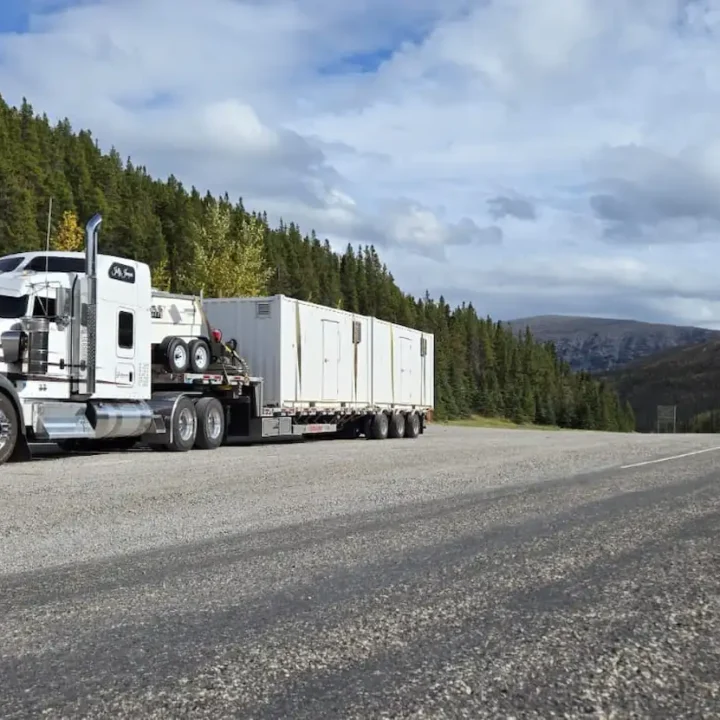
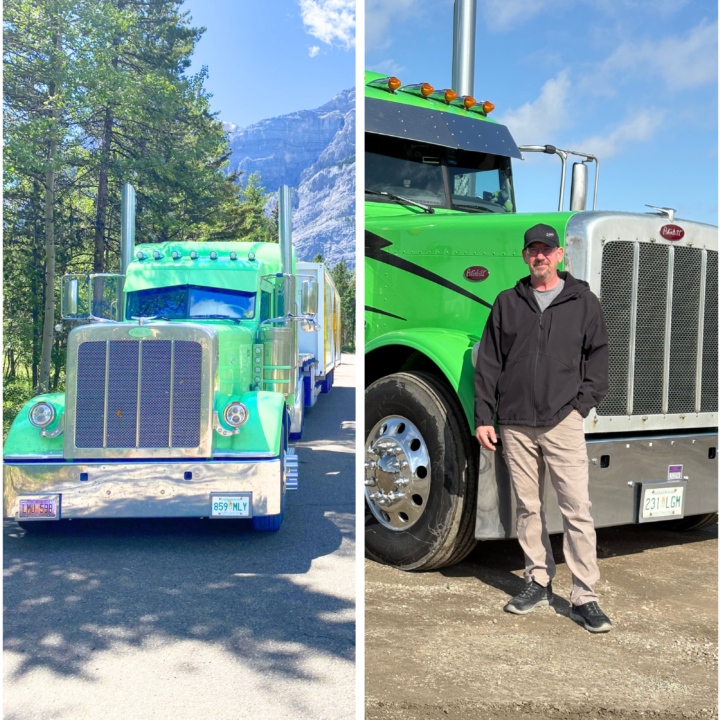
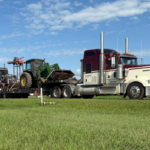
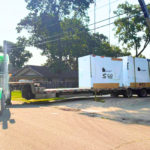
Energy equipment transport in Western Canada is one of the most demanding and specialized freight challenges on the continent. Oil and gas operations stretch across northern Alberta and northeastern BC. Wind farms are expanding across the prairies. Substations, transformers, and transmission infrastructure are being built and upgraded at a pace that reflects the scale of energy investment happening across the region. Canada’s energy sector accounted for nearly 10 percent of the country’s GDP in 2024, with capital expenditures in the sector totalling $89 billion that same year.
None of that happens without the equipment getting there first. And getting it there is a lot more complicated than it looks from the outside.
The Equipment That Powers the Energy Sector Is Not Small
Before a wind turbine turns a single rotation, its components have to travel from a manufacturer or port to a site that is often remote, accessed by roads not designed for oversized loads, and operating on a construction schedule that can’t easily accommodate delays.
Wind turbine blades alone regularly exceed 60 to 70 metres in length. Nacelles, the housing units that sit atop the tower and contain the generator and gearbox, can weigh over 100 tonnes. Tower sections, rotor hubs, and foundations all require separate moves, separate permits, and separate coordination. A single wind turbine installation can represent a dozen or more individual heavy haul shipments before the first bolt is tightened on site.
Electrical transformers present a different kind of challenge. Some of the largest units weigh several hundred tonnes and are among the most difficult loads to move on public roads anywhere in North America. They’re also irreplaceable in any practical sense. Replacing a damaged unit can take over a year, which means a damaged transformer isn’t just a logistics problem. It’s a project-ending event. The pressure to move them without incident is real, and it demands a level of planning and expertise that goes well beyond standard freight.
Oil and Gas Infrastructure Has Its Own Demands
Alberta’s oil and gas sector has always been one of the primary drivers of heavy haul freight in Western Canada, and that hasn’t changed. Oilfield skids, processing equipment, pressure vessels, and modular e-houses all need to move from fabrication facilities to remote well pads, often along access roads built for functional access rather than oversized freight.
What’s notable about oil and gas freight is how time-sensitive it tends to be. Production schedules and well completion timelines are built around equipment arriving when it’s supposed to. A compressor or separator that misses its delivery window doesn’t just sit on a truck. It idles a crew, delays a completion, and generates costs that compound quickly. That kind of pressure puts a premium on carriers who plan thoroughly and communicate clearly rather than ones who just show up and hope for the best.
The sector also generates a significant volume of cross-border freight. Equipment manufactured in the United States moves north into Alberta regularly, and Canadian fabricated components move south. Managing that flow requires bonded carrier status, familiarity with customs documentation, and experience coordinating permits across multiple jurisdictions simultaneously.
Renewable Energy Is Raising the Bar on Complexity
The growth of renewable energy development across Western Canada has added a new layer of complexity to energy sector freight. Solar installations, Wind projects, battery energy storage systems, and substation upgrades are all generating demand for specialized transport that didn’t exist at this scale even a decade ago.
Wind energy in particular has pushed the boundaries of what heavy haul transport is required to do. Wind farm projects require extendable trailers purpose-built for blade transport, and route planning often demands months of advance work. Teams may need to survey, modify, or temporarily reinforce access roads. Municipal and provincial authorities may require approvals at multiple points along the route. In some cases, power companies need to temporarily lift utility lines to allow a load to pass beneath them, adding another layer of coordination.
Battery energy storage systems and modular substation components are becoming increasingly common freight for the energy sector as well. These loads need careful handling given their sensitivity, and delivery timing ties directly to grid connection schedules and commissioning windows that can’t slip.
Remote Access Is the Variable That Changes Everything
One of the defining characteristics of energy sector freight in Western Canada is that so much of it ends up somewhere remote. Oil sands operations in northern Alberta. Wind farms on the open prairie far from major highways. Hydroelectric and transmission projects deep in the BC interior. The equipment has to get there regardless of what the access looks like.
Remote delivery adds layers that don’t exist on a standard industrial move. Access roads may not handle the weights involved, which means bridge analyses and engineering assessments before the truck ever leaves the yard. Staging areas at the delivery site may be limited, which affects sequencing and timing. Crane availability at the destination often determines exactly when a load can arrive, meaning the truck isn’t just moving freight. It’s fitting into a carefully choreographed site operation.
This is where the difference between a carrier with genuine project experience and one without it becomes most visible. Getting a load to a remote energy site on time and intact isn’t just about the drive. It’s about everything the team planned, confirmed, and coordinated in the weeks before the wheels turned.
Timing Is Everything When a Project Is Running
Energy infrastructure projects run on tight schedules. Construction crews, crane operators, installation teams, and commissioning engineers are often on site at significant daily cost. When freight is late, people wait. And when the equipment being delivered is part of a critical path item on the project schedule, a day’s delay can cascade into far larger disruptions.
Carriers who work regularly in the energy sector understand that a confirmed delivery window isn’t a suggestion. It’s a commitment that a series of other people and resources are built around. That reality shapes how experienced carriers approach energy freight differently from general cargo. Route contingencies are identified in advance. Weather windows are monitored. Communication with the site team happens proactively rather than reactively.
For project cargo that involves multiple components delivered in sequence, that coordination becomes even more critical. Seasonal factors like road bans can affect the timing of individual deliveries within a larger project sequence, which means the logistics plan has to account for variability and build in the flexibility to adapt without losing the overall timeline.
What Good Energy Sector Logistics Actually Looks Like
The energy sector doesn’t reward carriers who figure things out as they go. The complexity, the stakes, and the remoteness of so many energy projects demand a planning-first approach where every variable is identified and addressed before departure, not after something goes wrong.
That means thorough route surveys rather than map checks. Permit applications submitted with enough lead time to handle unexpected requirements. Equipment matched precisely to the load, not selected based on availability. And communication with project teams that is consistent and proactive rather than reactive.
Western Canada’s energy infrastructure is being built, upgraded, and expanded at a scale that requires reliable specialized transport at every stage. The equipment that goes into that infrastructure is expensive, hard to replace, and needed on a schedule. Getting it there safely and on time isn’t a logistical footnote. It’s what makes the project possible.
– –
ABOUT THE AUTHOR
DeVaughn McEwan – Inside Sales & Marketing Lead

DeVaughn works across inside sales and content development at Bowline Logistics, where his focus with Bowline Insights is on making the complex world of heavy haul and oversized freight easier to understand. With a background spanning marketing, finance, and the transportation industry, he translates technical logistics into clear, real-world insights drawn from the work happening on the ground. If you’ve ever wished someone would just explain freight in plain language, that’s the goal.