Skip to Content

Blog Archives

Escort Vehicles & Route Planning for Oversize Loads Across Canada and the United States

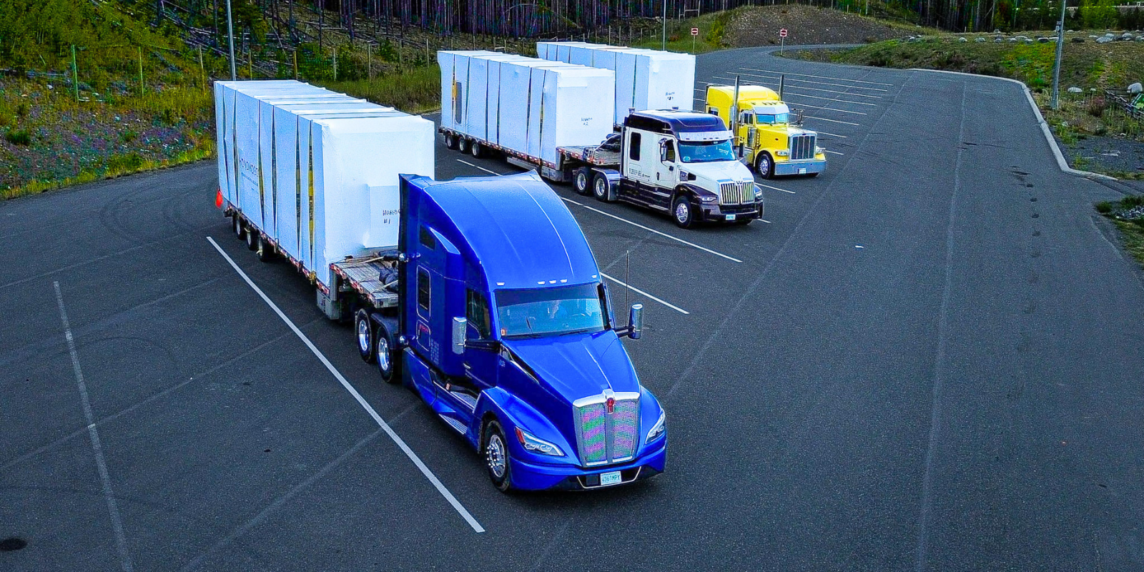
Moving an oversize load is about far more than horsepower and trailers. When freight exceeds standard dimensions or weight thresholds, safety, planning, and regulatory compliance take centre stage. At the heart of successful heavy haul operations are escort vehicles and disciplined route planning, ensuring loads move efficiently through Western Canada, across Canada, and into the United States.

For carriers like Bowline Logistics, escort coordination and route planning are built into every move, not added on after the fact.

Why Escort Vehicles Matter in Oversize Load Transport

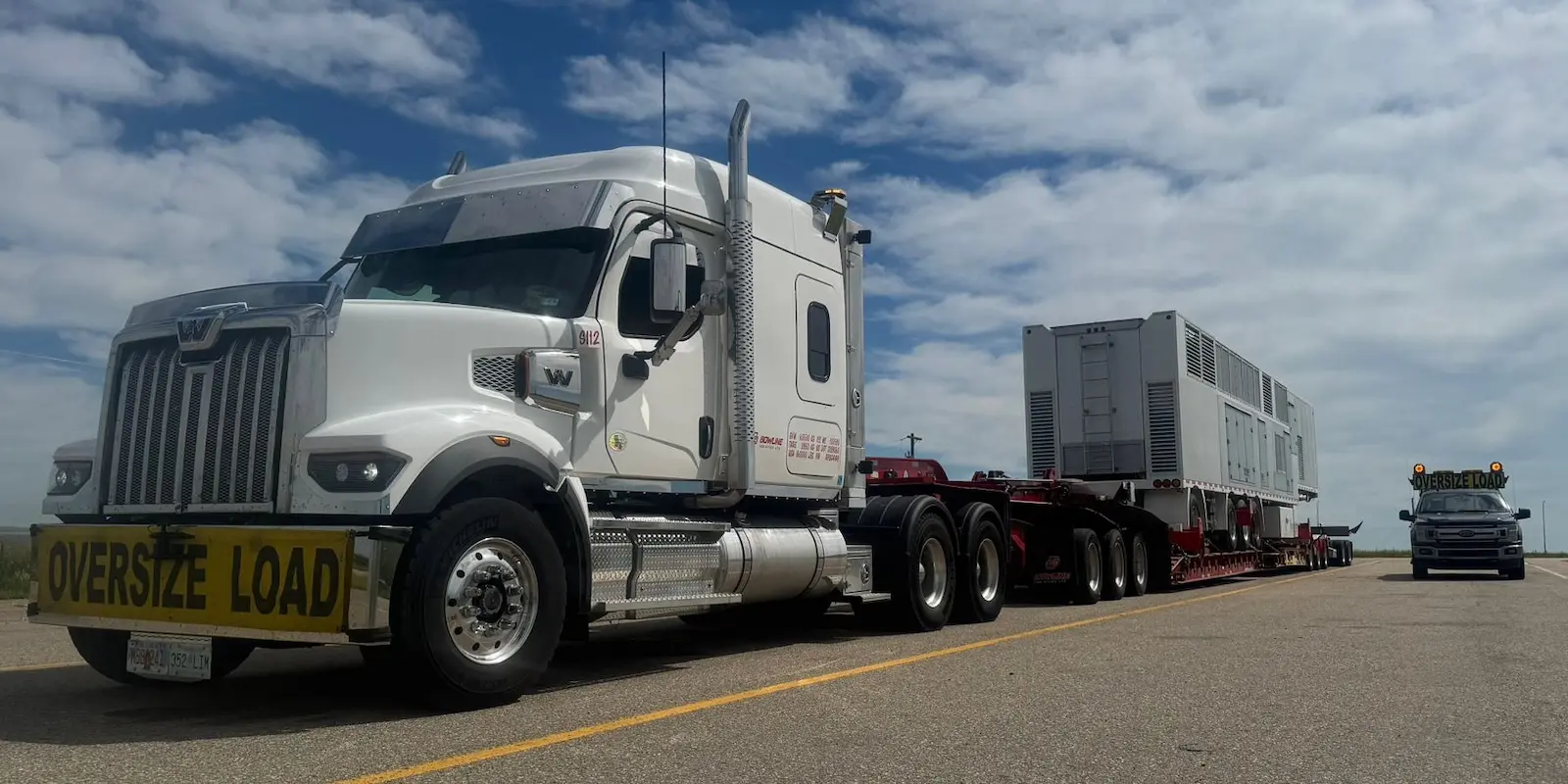
An oversize load introduces risks to infrastructure, visibility, and surrounding traffic. This is where escort vehicles become critical. These vehicles provide advance warning, manage spacing, and help guide loads through complex environments. For overweight loads or shipments with significant overhang, escort support is often mandatory.

In heavy haul operations, escort vehicles support safety by:

  • Alerting motorists to approaching wide or long freight
  • Managing lane positioning on multi-lane highways
  • Assisting with intersections, merges, and exits
  • Helping the load driver maintain compliance with permit conditions

Escort Vehicle Requirements Across Jurisdictions

Escort vehicle requirements vary by jurisdiction, route, and load configuration. Provincial and state authorities outline when escorts are required based on load dimensions, gross vehicle weight, and overhang length. Common escort vehicle requirements include:

  • One or more escort vehicles for wide loads
  • A rear escort for long loads with rear overhang
  • A pilot car equipped with safety equipment
  • An experienced escort driver trained in traffic coordination

Escort vehicle requirements are always detailed within permit conditions and must be followed exactly for each single trip.

Route Planning: The Backbone of Oversize Load Movement

Effective route planning ensures that an oversize load can move safely without damaging infrastructure or disrupting traffic. Route planning on an oversize move is a strategic process, not a checkbox. This process includes:

  • Reviewing weight limits and weight restrictions
  • Avoiding low bridges and areas below maximum height
  • Navigating urban areas versus rural corridors
  • Accounting for road conditions and weather conditions

Good routing minimizes delays, reduces risk, and ensures compliance across borders.

Route Surveys and Real-World Conditions

Before any oversize movement begins, Bowline conducts detailed route surveys designed to uncover potential challenges long before a truck ever rolls. These surveys go well beyond digital maps or routing software and focus on real-world conditions that can impact safe movement. By physically reviewing routes, Bowline identifies issues such as physical obstructions including signage, overhead utilities, and power lines, as well as narrow roads and constrained intersections that may limit turning or clearance. Active construction zones, temporary closures, and unexpected detours are also evaluated as part of the process. This hands-on approach allows Bowline to anticipate challenges, build contingency plans, and support real-time decision-making once the shipment is underway.

Managing Multi-Lane and Urban Roadways

Oversize movements frequently require travel on multi-lane highways and through dense urban areas, where traffic volume, limited space, and complex intersections increase the level of difficulty. Successfully navigating these environments demands precision and constant coordination between the load driver and the escort team. Lane changes on busy multi-lane corridors must be carefully timed, while tight intersections require advance positioning and clear communication to ensure adequate turning space. In high-traffic zones, coordinating with road users becomes essential to maintaining safety and minimizing disruption. Escort vehicles play a critical role in these scenarios by managing spacing, controlling traffic flow when needed, and protecting both the oversize load and surrounding motorists throughout multi-lane and urban environments.

Pilot Cars, Communication, and Coordination

A pilot car is often the front line of communication during heavy haul movements. Each pilot car is equipped to relay information to the load driver and other escorts. This communication allows teams to react in real-time to traffic, road conditions, or unexpected events. It includes:

  • A two-way radio for direct coordination
  • Flashing lights and amber lights
  • High-visibility signage and warning flags

Traffic Control and Traffic Management

Oversize movements frequently require active traffic control, particularly at intersections or during lane closures. Traffic management strategies are designed to keep shipments moving while protecting the public. This includes:

  • Temporary lane holds
  • Coordinating with municipal authorities
  • Managing traffic through multi-lane crossings

Well-executed traffic management reduces risk and keeps roadway disruption to a minimum.

Permit Applications and Special Permits

Every oversize movement begins with a permit application. This application outlines load size, weight, routing, and escort needs. Most oversize shipments require special permits, which may be issued as:

  • Single trip permits
  • Multi-day or corridor-based permits
  • Region-specific special permits

Each permit application results in defined permit conditions that govern speed, travel windows, and escort usage.

Permit Conditions and Travel Restrictions

Permit conditions define exactly how, when, and where an oversize load is permitted to travel, and they are a critical part of every compliant move. These conditions often specify allowable travel windows, such as daylight-only operation, and may restrict movement during poor weather conditions when visibility or road safety is compromised. Additional limitations can apply during peak traffic periods or around holidays and special events when roadways are more congested. Understanding these travel restrictions and adhering to permit conditions is essential, as even minor deviations can result in fines, delays, or permit revocation. Bowline carefully reviews and plans around these requirements to ensure every movement remains compliant from start to finish.

Managing Overhang and Long Loads

Loads with extended overhang introduce unique operational challenges that require careful planning and precise execution. Excessive front or rear overhang can significantly affect turning radii, lane positioning, and stopping distances, often triggering additional escort vehicle requirements. For long loads, escort teams play an active role by monitoring rear clearance, protecting following traffic, and assisting the load driver when navigating tight intersections or confined roadways. Managing overhang properly not only improves safety but also reduces stress on equipment and infrastructure, helping ensure smooth, controlled movement throughout the entire transport.

Height, Bridges, and Clearance Planning

Height restrictions are among the most critical factors in route planning. Loads approaching maximum height must avoid low bridges and overhead hazards.

Escort vehicles may use a height pole to measure clearance in advance, ensuring safe passage.

Load Securement and Safety Equipment

Proper securement is essential for every load transport operation. Oversize shipments require enhanced safety equipment to protect drivers and the public. Securement failures can result in breakdowns, damage, or permit violations. Standard equipment on every move includes:

  • A fire extinguisher
  • Warning triangles
  • Functional warning lights

Responding to Closures, Detours, and Breakdowns

Even the best planning can encounter unexpected closures, detours, or breakdowns. Bowline Logistics uses real-time communication to adjust routing safely. Escort vehicles assist by:

  • Securing the roadway
  • Redirecting traffic
  • Coordinating alternate routing

This adaptability keeps shipments moving safely.

Heavy Haul Across Western Canada, Denver, and Houston

Bowline Logistics supports heavy haul movements throughout Western Canada, across Canada, and into the United States. Key corridors include shipments to Denver and Houston, where escort coordination and regulatory compliance become even more critical.

Cross-border heavy haul requires familiarity with differing escort vehicle requirements, special permits, and enforcement standards.

Specialized Vehicles and Experienced Drivers

Oversize movements rely on specialized vehicles operated by skilled professionals. Every load driver is trained to work in tandem with escort teams. Successful operations depend on:

  • Experienced load driver judgment
  • Clear escort coordination
  • Strong communication across multi-lane routes

This teamwork ensures safe and compliant transport.

Precision, Planning, and Partnership

Escort vehicles and routing aren’t optional in oversize transport, they are foundational. From route surveys to permit conditions, every decision impacts safety, compliance, and delivery timelines.

If you have an oversize move coming up, get in touch with the Bowline team to talk through the details.

ABOUT THE AUTHOR

DeVaughn McEwan, Inside Sales & Marketing, Bowline Logistics

DeVaughn McEwan, Inside Sales & Marketing Lead - Bowline Logistics

DeVaughn works across inside sales and content development at Bowline Logistics, where his focus with Bowline Insights is on making the complex world of heavy haul and oversized freight easier to understand. With a background spanning marketing, finance, and the transportation industry, he translates technical logistics into clear, real-world insights drawn from the work happening on the ground. If you’ve ever wished someone would just explain freight in plain language, that’s the goal.

0 0 Continue Reading →

How Heavy Haul Permits Work in Western Canada: A Practical Guide for Shippers

Moving oversized and overweight freight across Western Canada isn’t just about finding the right truck, it’s about understanding permits, regulations, and how each province approaches heavy haul movement differently. Whether you’re shipping heavy equipment, mobile homes, or industrial freight, knowing how the permitting system works can save time, money, and major headaches.

This guide breaks down how heavy haul permits work in Western Canada, what’s required in each region, and how experienced carriers like Bowline Logistics, headquartered in Spruce Grove, Alberta, with an additional location in Regina, Saskatchewan, help simplify the process from planning to delivery.

What Is Considered Heavy Haul in Canada?

In Canada, heavy haul typically refers to any load that exceeds standard dimension limits or regulated weight thresholds for a commercial vehicle. These limits vary slightly by province, but the fundamentals are consistent across most Canadian jurisdictions.

Loads that commonly fall into this category include:

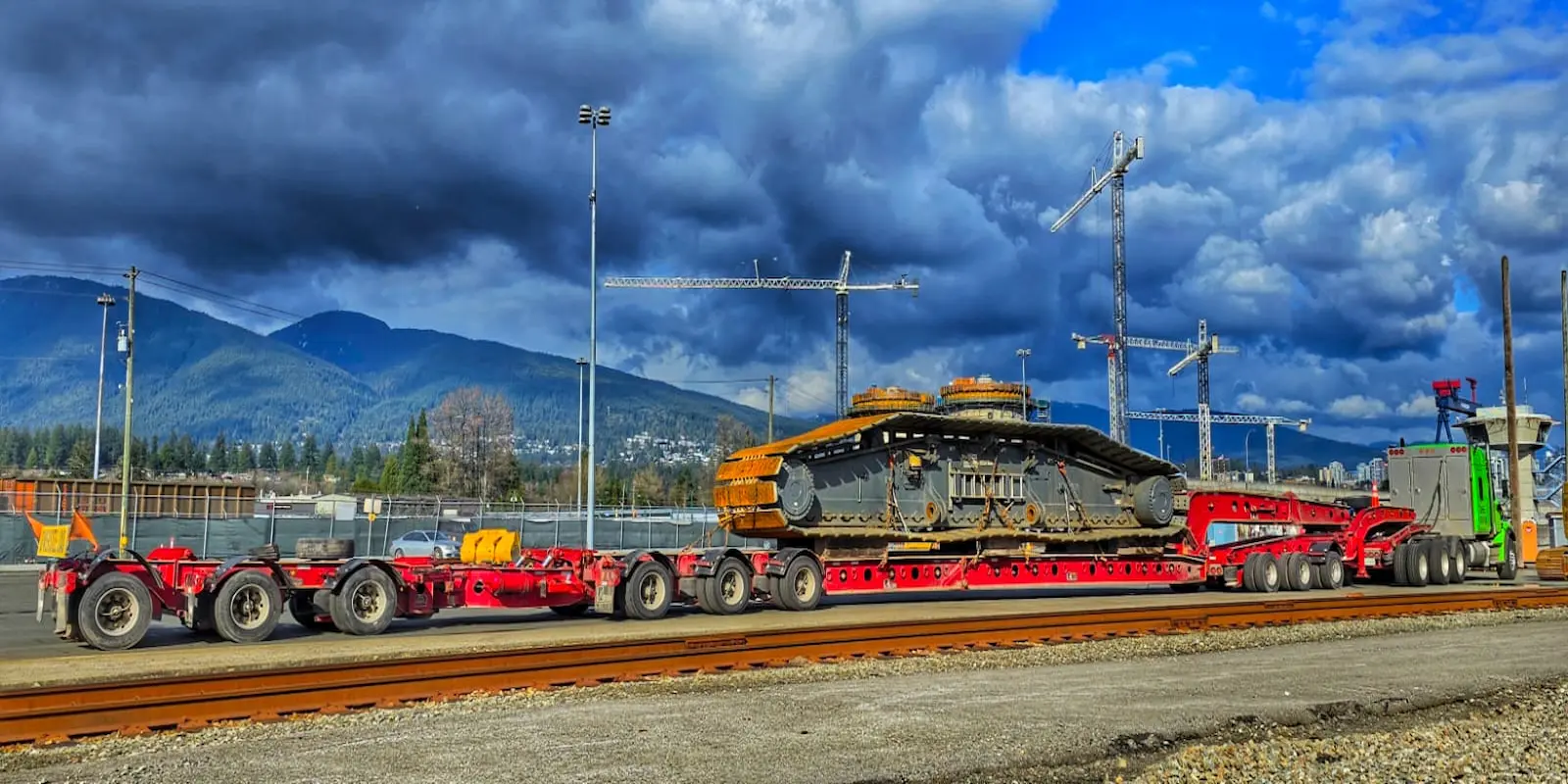
  • Large heavy equipment such as excavators or cranes
  • Industrial components with high axle weights
  • Mobile homes and modular structures
  • Multi-axle trailer combination movements
  • Oversize load or wide load shipments

Once a load exceeds standard thresholds for width, height, length, or gross vehicle weight, it requires special authorization before it can travel on public roadways.

Understanding Oversize and Overweight Loads

An oversize load exceeds legal size limits, while overweight loads exceed regulated weight thresholds. Some shipments fall into both categories at the same time.

Oversize permits are typically required when freight is wider, taller, or longer than standard limits, while overweight permits apply when a load exceeds the maximum weight allowed by provincial weight regulation.

Key considerations include:

  • Total GVW (also referred to as gross vehicle weight)
  • Distribution of weight across axles
  • The load’s impact on bridges and road surfaces
  • Road conditions and seasonal limitations

Failing to properly permit an overweight vehicle can result in fines, shipment delays, or forced off-loading.

How Axle Weights and GVW Affect Permitting

While total weight matters, axle weights are often the most critical factor in permit approval. Provinces regulate how much weight each axle, including the steering axle, can carry to protect infrastructure.

For example, two shipments with the same gross vehicle weight may be treated differently if one has better axle distribution. This is why equipment configuration, suspension type, and axle spacing matter so much in heavy haul planning. Bowline Logistics reviews:

  • Axle group spacing
  • Load placement on the semi-trailer
  • Trailer configuration and axle count
  • Overall impact on roadways

This level of planning is essential to securing permits efficiently.

The Heavy Haul Permitting System Explained

Every province operates its own permitting system, but the process generally follows the same structure. A carrier submits a permit application detailing the load, vehicle, trailer combination, and planned routing.

Most permits fall into one of three categories:

  • Single trip permits for one-time movements
  • Trip permits for specific short-term needs
  • Annual permits for recurring oversize movements

Each permit outlines approved travel dates, times, and any operational requirements such as pilot cars, signage, or traffic control.

Provincial Permitting Differences Across Western Canada

Although the fundamentals are similar, permitting rules vary across Canadian jurisdictions. Understanding these differences is critical for cross-province moves.

Alberta

In Alberta, permitting is managed provincially, but municipalities may enforce additional bylaw requirements. Seasonal road bans during spring breakup are especially important and can restrict overweight loads based on road conditions. Carriers operating regularly in Alberta build familiarity with both provincial and municipal permitting requirements over time, and that local knowledge makes a real difference.

Saskatchewan

Saskatchewan applies strict weight restrictions during thaw periods and closely monitors routing for oversize movements. Local approvals may be required for certain rural routes.

British Columbia

British Columbia has some of the most complex permitting rules due to mountainous terrain, frequent road closures, and varying weather conditions. Escort vehicle requirements are common for wide load movements.

Manitoba

Manitoba enforces seasonal road bans and closely regulates overweight permits on secondary highways.

Ontario and Quebec

While outside Western Canada, Ontario and Quebec are often part of long-haul routes. Ontario has detailed axle-based regulations, while Quebec enforces strict escort and signage requirements for oversize permits.

Routing, Road Conditions, and Closures

Permit approvals are closely tied to routing. Provinces evaluate whether a route can safely support the load without damaging infrastructure. Experienced carriers monitor these variables daily to ensure compliance and avoid delays.

Factors that influence routing approvals include:

  • Bridge capacities
  • Construction zones
  • Seasonal road conditions
  • Known closures or detours

Pilot Cars, Escort Vehicles, and Traffic Control

Many heavy haul movements require pilot cars or an escort vehicle to ensure public safety. These support vehicles help manage traffic flow, warn other drivers, and assist at intersections or narrow passages. Common requirements include:

  • Front and rear pilot cars for a wide load
  • Traffic control at intersections
  • Specialized signage indicating an oversize load

Bowline coordinates all escort logistics as part of the transport plan.

Signage and Visibility Requirements

Every permitted movement must display proper signage indicating oversize or overweight status. This includes banners, flags, and lighting to ensure visibility in all conditions. Improper signage can invalidate a permit, even if everything else is compliant.

Exemptions and Special Cases

Some movements qualify for limited exemptions, such as agricultural equipment during specific seasons. However, exemptions are narrow and often misunderstood. Relying on exemptions without verification is risky, especially when crossing multiple jurisdictions.

Commercial Vehicles and Compliance

Permits apply to the load, but enforcement applies to the commercial vehicle operating it. Inspectors check permits, axle weights, gvw, and compliance at roadside inspections.

Why Experience Matters in Heavy Haul Transport

Heavy haul permitting is operational strategy as much as it is paperwork. One oversight can shut down a shipment.

Bowline Logistics manages:

  • Permit applications across provinces
  • Complex trailer combination planning
  • Oversize permits and overweight permits
  • Seasonal road bans and closures
  • Cross-border and inter-provincial compliance

With headquarters in Spruce Grove, Alberta, and a location in Regina, Saskatchewan, Bowline supports heavy haul movements across Western Canada and beyond.

Simplifying a Complex Transport Process

Heavy haul transport in Canada requires precision, planning, and experience. From understanding axle weights and gross vehicle weight to managing pilot cars and routing approvals, every detail matters. Working with a carrier that understands the Canadian permitting landscape ensures your oversize load or overweight vehicle moves safely, legally, and on schedule.

If you’re planning a heavy haul move, whether it’s heavy equipment, mobile homes, or industrial freight, working with a carrier who understands the permitting landscape across these jurisdictions means fewer surprises and more predictable outcomes. Get in touch with the Bowline team to talk through your next move.

ABOUT THE AUTHOR

DeVaughn McEwan, Inside Sales & Marketing, Bowline Logistics

DeVaughn McEwan, Inside Sales & Marketing Lead - Bowline Logistics

DeVaughn works across inside sales and content development at Bowline Logistics, where his focus with Bowline Insights is on making the complex world of heavy haul and oversized freight easier to understand. With a background spanning marketing, finance, and the transportation industry, he translates technical logistics into clear, real-world insights drawn from the work happening on the ground. If you’ve ever wished someone would just explain freight in plain language, that’s the goal.

0 0 Continue Reading →

Top 5 Transportation & Logistics Trends Shaping Western Canada

The transportation and logistics landscape in Canada is evolving rapidly, with Western Canada playing an increasingly critical role in both domestic and North American trade. As Canadian supply chains adapt to economic pressure, shifting trade patterns, and post-pandemic realities, transportation companies, logistics providers, and freight partners are being forced to rethink how they operate, scale, and compete.

From warehousing expansion to cross-border complexity, the logistics industry is responding to measurable changes in market size, market share, and long-term growth rate. These trends are not isolated to one province, they affect Canadian logistics companies across Alberta, British Columbia, Ontario, and major logistics hubs like Vancouver, Toronto, and Montreal.

Below are the top five transportation and logistics trends shaping Western Canada, and what they mean for shippers, service providers, and supply chain leaders across Canada.

1. Supply Chain Resilience Becomes a Core Business Strategy

Supply chain resilience has moved from a theoretical discussion to a practical requirement across Canada. Following the pandemic, global supply chains exposed vulnerabilities that impacted Canadian GDP, international trade, and long-term profitability for businesses dependent on reliable transportation services. Western Canada, in particular, experienced disruptions tied to port congestion, rail constraints involving Canadian Pacific, and limited inland capacity.

As a result, supply chain management strategies are shifting toward redundancy, regional sourcing, and stronger partnerships with logistics providers. Canadian businesses are now evaluating supply chain performance against internal benchmarks, industry reports, and real-time data rather than historical assumptions. The ability to maintain service continuity during disruptions has become a competitive advantage within the logistics market.

This focus on resilience is reshaping logistics operations across Canada and influencing how Canadian logistics companies structure freight forwarding, brokerage, and transportation services.

How Supply Chain Resilience Is Being Implemented

Across Western Canada, supply chain resilience has moved from theory into everyday practice. Canadian organizations are actively restructuring how they source, move, and store freight to reduce exposure to disruptions and maintain continuity. These changes are visible across the logistics industry as companies adapt to lessons learned from the pandemic and ongoing global logistics volatility.

  • Increased regional sourcing to reduce dependency on global logistics routes
  • Greater reliance on third-party logistics partners for flexibility
  • Stronger carrier partnerships to protect service levels
  • Investment in real-time visibility tools to monitor disruptions
  • Alignment with Canadian logistics providers that understand Western Canada

These changes are directly impacting supply chain performance and long-term market share.

2. Warehousing and Inland Logistics Hubs Expand Across Western Canada

Warehousing capacity has become one of the most critical components of the Canadian logistics sector. As freight volumes increase and e-commerce reshapes fulfillment expectations, Western Canada has seen rapid growth in warehousing tied to inland logistics hubs. Locations near Vancouver ports and prairie corridors are expanding to support both domestic distribution and international trade.

This expansion reflects a broader shift in the logistics market, where warehousing is no longer just storage, it is a strategic asset within the supply chain. Canadian transportation companies are investing heavily in warehousing infrastructure to support faster delivery services, improved inventory positioning, and cost control.

Across Canada, warehousing growth is closely linked to market size expansion and the increasing complexity of logistics services required by shippers.

Key Drivers of Warehousing Growth

Warehousing expansion across Canada is being driven by structural changes in how goods move through the supply chain. In Western Canada, warehousing is no longer a passive storage function, it has become a strategic component of logistics services tied directly to speed, availability, and cost control.

  • Growth of e-commerce fulfillment across Canada
  • Demand for faster delivery services in Western Canada
  • Increased reliance on logistics hubs near ports and rail corridors
  • Integration with freight forwarding and customs clearance services
  • Need to optimize inventory flow and reduce shipping costs

3. Cross-Border and North American Trade Complexity Increases

Cross-border transportation continues to shape logistics strategies in Western Canada, especially as trade between Canada, the United States, and broader North America evolves. Changes in tariffs, sourcing strategies, and international trade policy have forced Canadian businesses to reassess how they manage freight flows across borders.

Cross-border logistics now require tighter coordination between freight forwarding, customs clearance, and transportation services. Canadian logistics companies operating in Western Canada must support north-south freight while managing compliance, brokerage requirements, and fluctuating pricing.

This complexity is driving demand for logistics providers that understand North American trade dynamics and can support consistent service across borders.

Cross-Border Logistics Challenges and Responses

Cross-border transportation introduces layers of complexity that Canadian logistics companies must actively manage. As international trade volumes fluctuate and tariffs evolve, logistics providers are being forced to adapt processes, pricing models, and service structures to maintain consistency across North American freight corridors.

  • Increased scrutiny on customs clearance processes
  • Greater reliance on freight forwarding expertise
  • Adjustments to pricing models based on tariffs
  • Demand for cross-border visibility and real-time tracking
  • Alignment with service providers experienced in North American trade

4. Automation and Technology Redefine Logistics Operations

Automation is no longer optional in modern logistics operations. Across Canada, logistics providers are adopting automation to optimize warehousing, transportation planning, and real-time tracking. These investments are designed to improve efficiency, reduce labour dependency, and increase profitability.

Automation is also reshaping how Canadian transportation companies measure performance. Real-time data, predictive analytics, and automated workflows allow logistics services to respond faster to disruptions and changing customer demands. Industry reports consistently show that automation adoption correlates with improved growth rate and stronger market share within the logistics market.

For Western Canada, automation supports scalability across long distances and complex transportation networks.

Where Automation Is Making the Biggest Impact

Automation has moved beyond experimental adoption and is now embedded within logistics operations across Canada. From warehousing to transportation services, automation is being used to improve accuracy, speed, and profitability while reducing manual intervention.

  • Automated warehousing and inventory systems
  • Real-time shipment tracking and visibility tools
  • Optimization of routing and transportation services
  • Data-driven pricing and capacity planning
  • Enhanced coordination with couriers and delivery services

5. Sustainability and Emissions Become Strategic Priorities

Sustainability has become a strategic focus across the Canadian logistics industry, driven by regulatory pressure, customer expectations, and economic considerations. Transportation companies are under increasing pressure to reduce emission output while maintaining service reliability and profitability.

In Western Canada, sustainability initiatives include fleet modernization, route optimization, and collaboration with logistics providers that prioritize efficiency. These efforts align with broader global logistics trends and reflect Canada’s commitment to responsible international trade.

For transportation companies across Western Canada, sustainability has become fully integrated into business strategy, shaping supply chain planning, transportation services, and long-term investment decisions.

Sustainability Initiatives Gaining Momentum

Sustainability initiatives within the Canadian logistics sector are accelerating as environmental accountability becomes a competitive requirement rather than a branding exercise. Transportation companies across Western Canada are implementing measurable changes to reduce emission output while maintaining service reliability.

Industry Consolidation and Strategic Partnerships

Mergers and partnerships are becoming more common as logistics providers seek scale, specialization, and expanded market share. Across Canada, mergers are reshaping the competitive landscape of the logistics sector, particularly among mid-sized transportation companies.

Strategic partnerships allow Canadian logistics companies to expand service offerings without sacrificing focus. These partnerships improve sourcing options, strengthen logistics hubs, and enhance service provider capabilities across Western Canada.

Consolidation is redefining how logistics services are delivered across the Canadian market.

What This Means for Transportation Companies

  • Increased competition for market share
  • Greater emphasis on service differentiation
  • Expanded logistics solutions through partnerships
  • Improved access to North American networks
  • Stronger positioning within the logistics market

Partnerships are now essential to long-term success. The combined impact of market consolidation, technology investment, and changing customer expectations is reshaping how transportation companies operate across Canada. These shifts are redefining market share, competitive positioning, and long-term profitability within the logistics market. For carriers with strong industry relationships and established networks, that consolidation creates opportunity rather than pressure.

The Future of Logistics in Western Canada

The transportation and logistics industry in Western Canada is undergoing a period of rapid transformation. As supply chains evolve across Canada, logistics providers must adapt to changing expectations around pricing, sustainability, automation, and cross-border complexity. These trends are not temporary, they are structural shifts shaping the future of Canadian logistics.

For shippers, service providers, and transportation companies alike, success will depend on the ability to optimize operations, leverage partnerships, and respond to market forces with agility. Western Canada’s role in global and North American trade will continue to grow, making logistics excellence a defining factor in economic performance.

As logistics complexity increases,choosing the right partner matters. If you’re navigating these shifts and want to talk through what they mean for your freight, get in touch with the Bowline team.

ABOUT THE AUTHOR

DeVaughn McEwan, Inside Sales & Marketing, Bowline Logistics

DeVaughn McEwan, Inside Sales & Marketing Lead - Bowline Logistics

DeVaughn works across inside sales and content development at Bowline Logistics, where his focus with Bowline Insights is on making the complex world of heavy haul and oversized freight easier to understand. With a background spanning marketing, finance, and the transportation industry, he translates technical logistics into clear, real-world insights drawn from the work happening on the ground. If you’ve ever wished someone would just explain freight in plain language, that’s the goal.

1 1 Continue Reading →

Cross-Border Trucking: The Great Canadian–American Road Trip

Moving freight across the border between Canada and the United States sounds straightforward enough: load a truck, hand over the paperwork, flash a smile at the customs officer, and off you go. Except… not quite.

In reality, cross-border trucking is a finely tuned, regulation-heavy dance between logistics planning, customs clearance, and problem-solving on the fly. And unlike a leisurely summer road trip, this one doesn’t allow for scenic detours, not unless you like fines, shipment delays or having your goods sent back to where they came from.

For shippers and manufacturers, partnering with the right cross-border trucking company can mean the difference between delivering on time and delivering excuses. That’s where Bowline Logistics comes in. But before we get to that, let’s talk about why cross-border freight transport is a whole different beast.

Why Cross-Border Trucking is Not Just “Domestic Plus Paperwork”

Domestic freight transport has its challenges – scheduling, load security, equipment maintenance – but the moment you add an international border, the complexity increases exponentially. Cross-border logistics involves navigating two sets of regulations, customs requirements, and carrier responsibilities.

When your freight is moving from Saskatchewan to South Dakota or from Vancouver to Vegas, your trucking partner needs to:

  • Understand customs clearance procedures for both Canada and the USA.

  • Be equipped for international freight shipping, including USMCA/NAFTA documentation.

  • Manage carrier licensing and insurance in two countries.

In short: cross-border freight solutions demand both experience and precision.

Customs Clearance: The Gatekeeper of Cross-Border Logistics

Ask any veteran in Canada-US freight transport what slows a shipment down, and “customs clearance” will almost always top the list.

The process requires more than a commercial invoice and a handshake. You’ll need:

Bill of Lading (BOL)

The master document of the shipment. Think of the Bill of Lading as the freight world’s version of a boarding pass, ID, and contract all rolled into one. It’s issued by the carrier to the shipper and serves three big purposes:

  1. Receipt of Goods: Confirms that the carrier has received the freight in good order.

  2. Contract of Carriage: Lays out the agreed terms for transporting the goods from origin to destination.

  3. Document of Title: Proves who legally owns the goods while they’re in transit.

For cross-border trucking companies, accuracy here is non-negotiable. Every detail from the shipper’s and consignee’s names to the freight description, weight, and quantity must be spot on. If the BOL says “10 pallets” and customs counts 11, you’re about to have a very long day at the border.

Commercial Invoice

If the Bill of Lading says what’s moving, the Commercial Invoice explains what it’s worth. Customs officers care a lot about that number. This document details:

  • The seller’s and buyer’s full information.

  • A complete description of the goods.

  • Quantities and unit prices.

  • The total value of the shipment.

  • Currency of sale.

  • Incoterms (who’s responsible for freight, insurance, and duties).

Why so much detail? Customs uses the Commercial Invoice to calculate duties and taxes, verify compliance with trade agreements, and make sure you’re not undervaluing goods to sneak in under tariff thresholds. One missing or vague line here can cause your Canada-US freight transport to grind to a halt.

Certificate of Origin

Under the United States–Mexico–Canada Agreement (USMCA), certain goods qualify for reduced or zero tariffs, but only if you can prove where they were made.

This document certifies that the goods meet the agreement’s rules of origin. It needs to be completed accurately and kept on file (often for up to five years) in case customs decides to audit. For example, a Saskatchewan-manufactured piece of farm equipment heading to North Dakota could move duty-free if the Certificate of Origin is in order. Without it? You’re paying full duties, and the competitive pricing advantage is gone.

Customs Broker Coordination

Customs brokers are like translators between your business and the ever-changing, acronym-heavy world of border regulations. They handle:

  • Assigning the correct Harmonized System (HS) codes.

  • Filing customs entries electronically.

  • Calculating duties, taxes, and fees.

  • Liaising with customs officials to smooth out any issues.

In cross-border logistics, a seasoned customs broker is the difference between a truck rolling through the port of entry and one parked for hours while drivers re-fax paperwork (yes, fax still exists at some borders). Experienced carriers work closely with trusted brokers, often having them pre-clear shipments with tariff codes before the truck even arrives at the crossing.

Without the right customs brokerage for trucking companies, shipments risk being held, inspected or outright denied entry. Carriers who integrate customs procedures into their operations keep freight moving instead of sitting idle at the border.

Paperwork: The True Border Patrol

For cross-border trucking companies, paperwork is more than a formality — it’s the lifeline of the operation. The smallest mistake in a Harmonized System (HS) code or mismatch between documents can trigger delays, extra costs, or, in extreme cases, seizures.

Pro tip: Triple-check paperwork before the truck leaves the yard. It’s much easier to correct a PDF than a truckload of goods parked on the wrong side of the border.

Regulatory Differences That Keep Drivers Awake at Night

Rules change the moment wheels cross the border. Canadian drivers entering the U.S. must comply with Federal Motor Carrier Safety Administration (FMCSA) regulations, while American drivers heading north must meet Canadian safety, insurance, and compliance requirements.

Some differences include:

  • Hours of Service (HOS): Limits on driving time and rest breaks vary.

  • Insurance Minimums: Liability requirements differ between countries.

  • Weight Limits: Axle weight and total gross vehicle weight standards vary by state and province.

These aren’t “guidelines” — they’re hard requirements, and failing to follow them can stop a shipment in its tracks.

Freight Types That Need Special Attention

Not all freight is created equal in the eyes of customs and transport laws. Some types of loads require additional documentation, permits, or handling protocols:

LTL Cross-Border Shipments

Multiple customers’ goods in one truck require meticulous documentation for each shipment.

Oversized Cross-Border Loads

Think wind turbine blades or heavy machinery. These require special routing, permits, and sometimes escorts.

Temperature-Controlled Cross-Border Freight

From fresh produce to pharmaceuticals, any break in the cold chain can spell disaster.

Dangerous Goods

Flammable, toxic, or otherwise hazardous freight must meet both Transport Canada and U.S. Department of Transportation standards.

The High Cost of Getting It Wrong

If a shipment is delayed or turned back at the border, it’s not just the delivery that takes a hit, the ripple effects can be costly and far-reaching. Missed deadlines with downstream customers can throw entire schedules into chaos, while storage and demurrage fees quickly add up, eating into profit margins. On top of that, every delay chips away at your reputation with buyers and partners, eroding trust that took years to build. In a cross-border supply chain, even a 24-hour setback can derail production timelines, making the choice of a cross-border trucking company one of the most critical decisions in your logistics strategy.

Why Choosing the Right Cross-Border Trucking Company Matters

Here’s the thing, anyone with a truck and a passport can technically move freight across the border. But only a select few can do it with the efficiency, compliance, and reliability that keeps your supply chain humming.

A great cross-border freight transport partner will:

What to Look for in a Cross-Border Trucking Partner

Cross-border trucking requires more than a truck and a licence. Here is what a carrier who actually knows this work looks like in practice:

Whether it’s a single load from Calgary to Colorado or ongoing cross-border supply chain support, we combine industry know-how with the personal service that keeps shippers coming back.

Your Freight Deserves a First-Class Border Crossing

Cross-border freight shipping is not the place for trial and error. Every delay, every missing document, every overlooked permit eats into your margins and erodes customer trust.

So, if you’re ready to keep your Canada-U.S. freight moving without the drama, sign-up for a Free Quote from Bowline Logistics.

ABOUT THE AUTHOR

DeVaughn McEwan, Inside Sales & Marketing, Bowline Logistics

DeVaughn McEwan, Inside Sales & Marketing Lead - Bowline Logistics

DeVaughn works across inside sales and content development at Bowline Logistics, where his focus with Bowline Insights is on making the complex world of heavy haul and oversized freight easier to understand. With a background spanning marketing, finance, and the transportation industry, he translates technical logistics into clear, real-world insights drawn from the work happening on the ground. If you’ve ever wished someone would just explain freight in plain language, that’s the goal.

0 0 Continue Reading →

Bowline Logistics Welcomes Delly McEwan as Chief Executive Officer

Spruce Grove, AB (May 30, 2025) – Bowline Logistics Ltd. is proud to announce the appointment of Delly McEwan as Chief Executive Officer, effective June 2, 2025. A seasoned executive and logistics strategist, McEwan brings over 25 years of experience in transportation, business development, and project execution across North America.

Bowline welcomes McEwan, following an impressive career that includes founding NexGen Transportation and serving as its President for 13 years, serving as a Managing Director in the wind construction industry, and leading a large First Nations Development Corporation as its CEO. His corporate journey also includes senior roles with Kuehne + Nagel, Bechtel, Bantrel, and Air Liquide Global Energy Solutions. Beyond the boardroom, Delly also serves as the Board Chair of Little Warriors, a national charity committed to the awareness, prevention, and treatment of child sex abuse and sits on the Parkland County Economic Diversification Committee.

Having had the opportunity to learn from many of the best in the industry—while also successfully founding and building a transportation company—McEwan brings a unique perspective to Bowline’s dynamic and growing team. His executive leadership across diverse industries such as renewable energy, specialized crane and rigging, construction, and corporate development, positions him well to help guide Bowline through the next phase of growth. His fresh outlook is a welcome addition as Bowline continues to evolve its service offerings and reinforce its long-term path toward sustainability and operational excellence.

“I was drawn to Bowline because it’s a company with a strong, people-first culture,” McEwan shared. “I believe in leadership that empowers those on the front lines. The individuals doing the work every day are the most valuable asset of any successful organization—and I saw a kindred spirit in Bowline’s approach. I’m excited to be part of a team that values every voice and puts service excellence at the heart of everything we do.”

McEwan’s leadership style is collaborative, analytical, and deeply team-focused. His strategic vision will help guide Bowline through its next phase of innovation in the transportation and logistics sector, with a particular eye toward building a comprehensive, asset-based logistics solution for the North American market. He is especially looking forward to sharing his broad experience in all aspects of transportation and executive management while integrating into Bowline’s best-in-class culture.

“Delly brings a wealth of knowledge, integrity, and forward-thinking leadership to our organization,” said Tyler Boyd, Founder and President of Bowline Logistics. “His experience and passion for building teams align perfectly with the direction we’re headed. I look forward to working alongside him as we continue expand Bowline’s presence across borders and into new markets.”

Delly McEwan - CEO - Bowline Logistics

McEwan resides in Spruce Grove, Alberta, with his two daughters, aged 9 and 13. He holds a Project Management Certificate from the Southern Alberta Institute of Technology (SAIT) and remains actively involved in both industry and community initiatives.

As Bowline continues to expand its reach and services across North America, the addition of Delly McEwan to the leadership team marks a pivotal moment in the company’s journey—anchored in collaboration, operational excellence, and a commitment to serving both its clients and its people.

About Bowline Logistics Ltd.
Bowline Logistics is a Canadian-owned transportation company specializing in open-deck, heavy haul, and project cargo solutions across North America. From multi-axle RGNs and extendables to step-decks and ramp-equipped trailers, our fleet is built to handle complex freight requirements with precision and flexibility. We serve a wide range of industries—including energy, construction, mining, and modular manufacturing—delivering tailored logistics solutions that go beyond the standard.

At Bowline, we believe logistics is still a people business. Our team-first culture is rooted in accountability, collaboration, and a deep respect for the individuals doing the work—whether behind the wheel, in the office, or at the job site. With a focus on long-term relationships and service-driven results, Bowline is redefining what it means to deliver in today’s logistics industry.

Media Contact:
DeVaughn McEwan
Inside Sales & Marketing Coordinator
Bowline Logistics Ltd.
devo@bowlinelogistics.com
www.bowlinelogistics.com

0 0 Continue Reading →

Finally, A Trusted and Reliable Trucking Company in Canada

Transportation can feel like a transactional industry. A load gets booked, a truck shows up, and the relationship ends at the delivery point. At Bowline Logistics, the goal has always been something different: move freight reliably, communicate honestly, and build working relationships that hold up over time.

That’s the idea behind the tagline: “When reliability matters most.”

Long-Term Transportation Relationships Across Canada and the USA

In practice, in an industry where speed often overshadows service, Bowline focuses on the long game. Rather than chasing one-time transactions, the team works to understand each client’s business well enough to anticipate what they need before they ask. From major cities like Edmonton, Calgary, and Vancouver to remote delivery points, the goal is to be a carrier clients call back, not just a vendor they found once.

That means taking the time to understand how a business actually operates, where the pressure points are, and what a logistics partner needs to do to make things run smoother rather than harder.

Trusted Transportation Services Backed by a Dedicated Team

Bowline’s team brings real experience in the transportation industry. The team plans, tracks, and delivers each load with attention to the details that matter, because in freight, the details are where things go wrong.

That commitment shows up in how the team approaches safety standards and compliance. As a result, the team handles every oversized freight job with the care that kind of work requires, not just to meet regulatory requirements, but because getting it right is the whole point.

Trucking Solutions for FTL, LTL, and Long-Haul Freight

Whether you’re shipping full truckloads (FTL), less than truckload (LTL), or need long-haul capacity across provinces or international borders, Bowline has the fleet and experience to make it work. The trucks are well-maintained, the route planning is thorough, and the focus is on keeping freight moving without unnecessary complications.

As businesses navigate rising transportation costs, the goal is to offer options that are practical and cost-effective without cutting corners on how the work gets done.

Cross-Border and North American Freight Transportation

Cross-border shipping between Canada and the U.S. adds layers of complexity around documentation, compliance, and timing. Bowline handles that coordination as part of the job, not as an afterthought. For businesses moving freight across North America, having a carrier who understands what border crossings actually require makes a real operational difference.

Whether the destination is a warehouse in Ontario or a distributor in California, Bowline’s carrier network and support team are set up to make cross-border moves straightforward rather than stressful.

Transportation Solutions to Meet Every Shipping Need

Bowline’s full-service model is built to support different kinds of freight needs across the supply chain. The range of services includes:

  • FTL and LTL freight shipping
  • Cross-country and cross-border deliveries
  • Local and long-haul trucking across Canada
  • Intermodal freight coordination
  • Strategic freight shipping and specialized equipment transport
  • Inventory staging, warehousing, and real-time tracking

Supply Chain Expertise

Transportation decisions have downstream effects. How freight moves affects warehousing, retail schedules, and what a business is ultimately able to deliver to its own customers. Bowline approaches logistics with that broader picture in mind, providing visibility, proactive communication, and planning that reduces friction rather than adding to it.

Real-time tracking, responsive support, and honest communication aren’t extras. In fact, they’re how the work is supposed to get done.

Scalable Freight Solutions

Bowline works with businesses of different sizes, from smaller operations to national distributors. The approach is the same regardless of scale: understand what the job actually needs, match the right resources to it, and execute without unnecessary complications.

Whether a business is launching something new or expanding its reach across the country, the logistics side of that growth doesn’t have to be the hard part.

Driving Customer Satisfaction and Repeat Business

A lot of Bowline’s clients have been working with the team for years. That retention reflects something straightforward: on-time delivery, transparent pricing, and consistent follow-through. When a carrier helps a shipper deliver on their own promises to their customers, the relationship tends to hold.

That level of responsibility requires consistency and communication, not just trucks and drivers.

When Reliability Matters Most

The transportation industry has no shortage of options. What’s harder to find is a carrier that shows up consistently, communicates clearly, and treats each job as if the outcome actually matters to them. That’s what Bowline is built around.

If you’re looking for a freight partner with cross-border reach, long-haul capability, and a team that takes the work seriously, that’s the right place to start.

Bowline Logistics. When reliability matters most.

– –

ABOUT THE AUTHOR

DeVaughn McEwan, Inside Sales & Marketing, Bowline Logistics

DeVaughn McEwan, Inside Sales & Marketing Lead - Bowline Logistics

DeVaughn works across inside sales and content development at Bowline Logistics, where his focus is on making the complex world of heavy haul and oversized freight easier to understand. With a background spanning marketing, finance, and the transportation industry, he translates technical logistics into clear, real-world insights drawn from the work happening on the ground. If you’ve ever wished someone would just explain freight in plain language, that’s the goal.
0 Continue Reading →

Started From The Bottom: How Bowline’s President Got Back In The Driver’s Seat

When you meet Tyler Boyd, President of Bowline Logistics, it’s easy to see the success: nearly 80 employees, 40+ trucks across North America, and a company known for reliability when it matters most. But what you don’t see is the storm he drove through to get here.

In a recent interview on the Business is fcking hard podcast, Tyler opened up about the lowest chapter of his entrepreneurial journey—and how he turned it into the foundation for everything Bowline stands for today.

“Bad things happen to good people. That’s one thing I learned. And I learned that the hard way.” – Tyler Boyd

The Day the Bank Pulled the Plug

Tyler’s journey didn’t start with Bowline—it began at age 12 with an agricultural business. By his 20s, he was running a thriving excavation company with over 100 employees. Then one email changed everything.

With less than an hour’s notice, his bank shut down his line of credit. Payroll was due. Bills were mounting. And the phones weren’t ringing.

Instead of folding, Tyler fought back. He let people go. Faced angry suppliers. Received public judgment. But most of all, he endured. The result? Not only did Bowline take shape during that time—Boyd Excavating, the business that started it all, continues to operate to this day. With a fleet of 40 trucks running alongside Bowline’s logistics operations, it stands as a testament to Tyler’s grit, loyalty, and refusal to let hard times define the outcome.

Rebuilding From Nothing

With no credit and very few resources, Tyler launched Bowline Logistics from scratch. He leaned into relationships and those who still believed in him, especially his family and wife, Amanda.

“My family’s day doesn’t start until Tyler comes home. That’s our whole purpose of the day—just to wait for him to come home.” – Amanda Boyd

That quote reflects a shift not just in priorities, but in philosophy. And so Tyler set forth to build that trust again, mile by mile. Today, Bowline is built on people. Trust, loyalty, and community are at the core of every haul, every hire, and every handshake.

The Lessons That Drive Him

  1. Failure is Just a Chapter – Tyler’s story proves that rock bottom isn’t the end of the road—it’s a detour, sometimes the one that leads you to something better.

  2. Business Is About People, Not Just Profit – From supportive competitors to unwavering family, relationships paved Tyler’s comeback. And they continue to steer Bowline’s direction.

Watch the Full Interview

Tyler shares more about the emotional weight of failure, the responsibility of leadership, and how he mentors entrepreneurs who feel like they’ve hit a wall.

Here’s a clip of Tyler’s story:

Watch the full interview here:

ABOUT THE AUTHOR

DeVaughn McEwan, Inside Sales & Marketing, Bowline Logistics

DeVaughn McEwan, Inside Sales & Marketing Lead - Bowline Logistics

DeVaughn works across inside sales and content development at Bowline Logistics, where his focus with Bowline Insights is on making the complex world of heavy haul and oversized freight easier to understand. With a background spanning marketing, finance, and the transportation industry, he translates technical logistics into clear, real-world insights drawn from the work happening on the ground. If you’ve ever wished someone would just explain freight in plain language, that’s the goal.

0 Continue Reading →