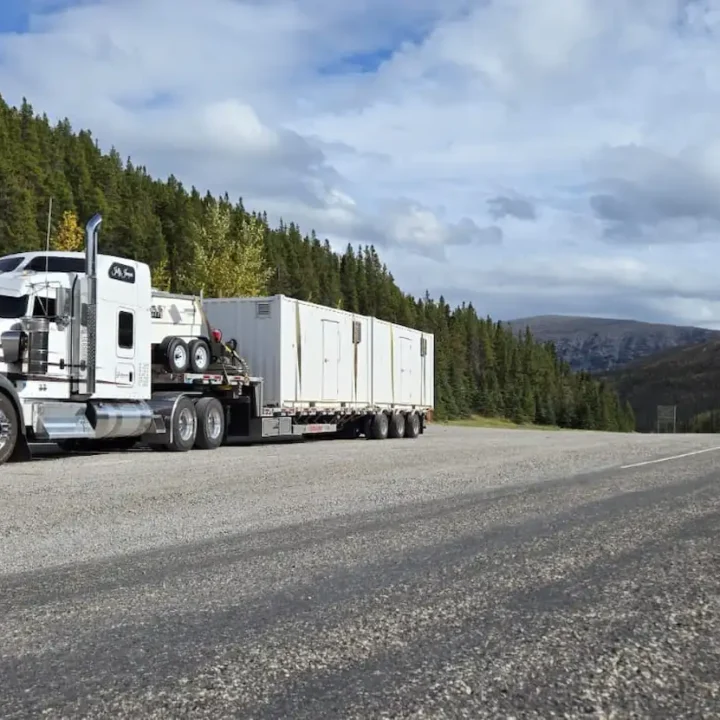
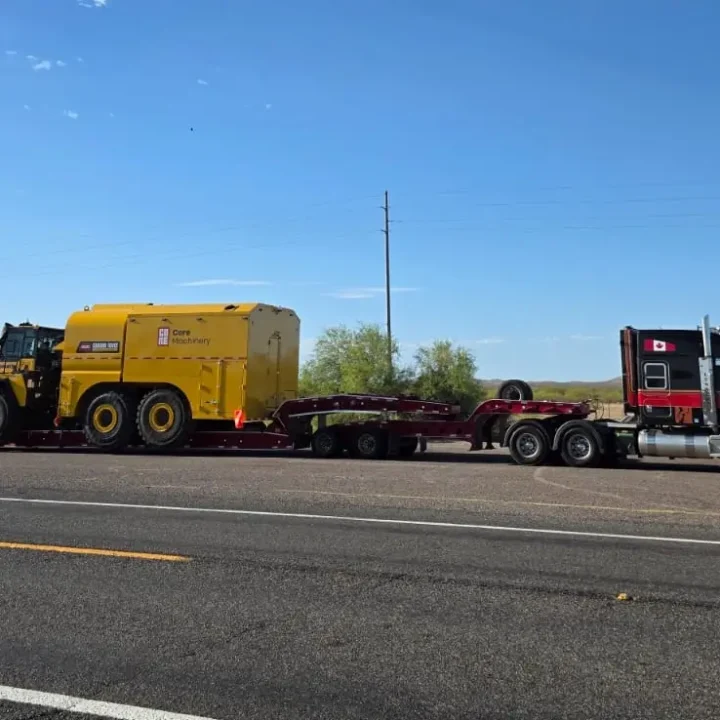
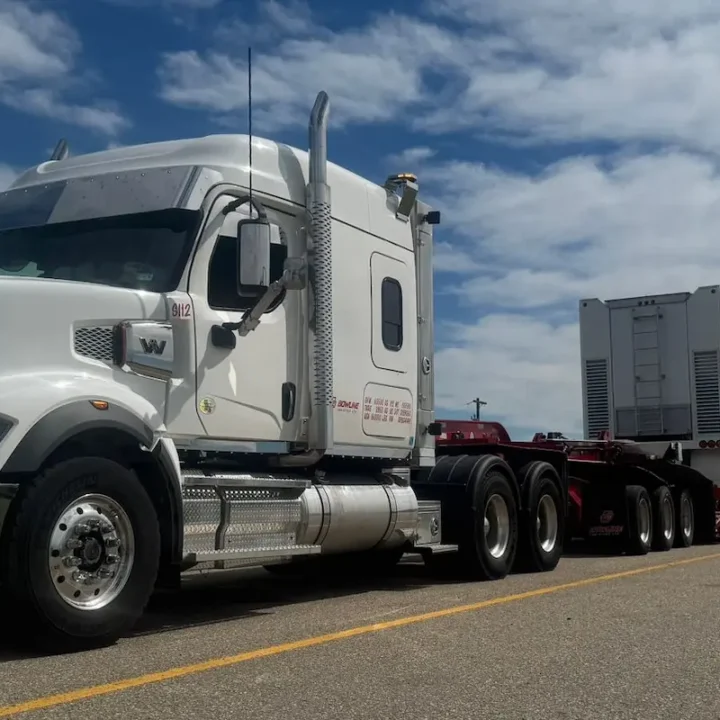
The transportation and logistics landscape in Canada is evolving rapidly, with Western Canada and Bowline Logistics playing an increasingly critical role in both domestic and North American trade. As Canadian supply chains adapt to economic pressure, shifting trade patterns, and post-pandemic realities, transportation companies, logistics providers, and freight partners are being forced to rethink how they operate, scale, and compete.
From warehousing expansion to cross-border complexity, the logistics industry is responding to measurable changes in market size, market share, and long-term growth rate. These trends are not isolated to one province, they affect Canadian logistics companies across Alberta, British Columbia, Ontario, and major logistics hubs like Vancouver, Toronto, and Montreal.
Below are the top five transportation and logistics trends shaping Western Canada, and what they mean for shippers, service providers, and supply chain leaders across Canada.
1. Supply Chain Resilience Becomes a Core Business Strategy
Supply chain resilience has moved from a theoretical discussion to a practical requirement across Canada. Following the pandemic, global supply chains exposed vulnerabilities that impacted Canadian GDP, international trade, and long-term profitability for businesses dependent on reliable transportation services. Western Canada, in particular, experienced disruptions tied to port congestion, rail constraints involving Canadian Pacific, and limited inland capacity.
As a result, supply chain management strategies are shifting toward redundancy, regional sourcing, and stronger partnerships with logistics providers. Canadian businesses are now evaluating supply chain performance against internal benchmarks, industry reports, and real-time data rather than historical assumptions. The ability to maintain service continuity during disruptions has become a competitive advantage within the logistics market.
This focus on resilience is reshaping logistics operations across Canada and influencing how Canadian logistics companies structure freight forwarding, brokerage, and transportation services.
How Supply Chain Resilience Is Being Implemented
Across Western Canada, supply chain resilience is no longer theoretical — it’s operational. Canadian organizations are actively restructuring how they source, move, and store freight to reduce exposure to disruptions and maintain continuity. These changes are visible across the logistics industry as companies adapt to lessons learned from the pandemic and ongoing global logistics volatility.
- Increased regional sourcing to reduce dependency on global logistics routes
- Greater reliance on third-party logistics partners for flexibility
- Stronger carrier partnerships to protect service levels
- Investment in real-time visibility tools to monitor disruptions
- Alignment with Canadian logistics providers that understand Western Canada
These changes are directly impacting supply chain performance and long-term market share.
2. Warehousing and Inland Logistics Hubs Expand Across Western Canada
Warehousing capacity has become one of the most critical components of the Canadian logistics sector. As freight volumes increase and e-commerce reshapes fulfillment expectations, Western Canada has seen rapid growth in warehousing tied to inland logistics hubs. Locations near Vancouver ports and prairie corridors are expanding to support both domestic distribution and international trade.
This expansion reflects a broader shift in the logistics market, where warehousing is no longer just storage, it is a strategic asset within the supply chain. Canadian transportation companies are investing heavily in warehousing infrastructure to support faster delivery services, improved inventory positioning, and cost control.
Across Canada, warehousing growth is closely linked to market size expansion and the increasing complexity of logistics services required by shippers.
Key Drivers of Warehousing Growth
Warehousing expansion across Canada is being driven by structural changes in how goods move through the supply chain. In Western Canada, warehousing is no longer a passive storage function, it has become a strategic component of logistics services tied directly to speed, availability, and cost control.
- Growth of e-commerce fulfillment across Canada
- Demand for faster delivery services in Western Canada
- Increased reliance on logistics hubs near ports and rail corridors
- Integration with freight forwarding and customs clearance services
- Need to optimize inventory flow and reduce shipping costs
3. Cross-Border and North American Trade Complexity Increases
Cross-border transportation continues to shape logistics strategies in Western Canada, especially as trade between Canada, the United States, and broader North America evolves. Changes in tariffs, sourcing strategies, and international trade policy have forced Canadian businesses to reassess how they manage freight flows across borders.
Cross-border logistics now require tighter coordination between freight forwarding, customs clearance, and transportation services. Canadian logistics companies operating in Western Canada must support north-south freight while managing compliance, brokerage requirements, and fluctuating pricing.
This complexity is driving demand for logistics providers that understand North American trade dynamics and can support consistent service across borders.
Cross-Border Logistics Challenges and Responses
Cross-border transportation introduces layers of complexity that Canadian logistics companies must actively manage. As international trade volumes fluctuate and tariffs evolve, logistics providers are being forced to adapt processes, pricing models, and service structures to maintain consistency across North American freight corridors.
- Increased scrutiny on customs clearance processes
- Greater reliance on freight forwarding expertise
- Adjustments to pricing models based on tariffs
- Demand for cross-border visibility and real-time tracking
- Alignment with service providers experienced in North American trade
4. Automation and Technology Redefine Logistics Operations
Automation is no longer optional in modern logistics operations. Across Canada, logistics providers are adopting automation to optimize warehousing, transportation planning, and real-time tracking. These investments are designed to improve efficiency, reduce labour dependency, and increase profitability.
Automation is also reshaping how Canadian transportation companies measure performance. Real-time data, predictive analytics, and automated workflows allow logistics services to respond faster to disruptions and changing customer demands. Industry reports consistently show that automation adoption correlates with improved growth rate and stronger market share within the logistics market.
For Western Canada, automation supports scalability across long distances and complex transportation networks.
Where Automation Is Making the Biggest Impact
Automation has moved beyond experimental adoption and is now embedded within logistics operations across Canada. From warehousing to transportation services, automation is being used to improve accuracy, speed, and profitability while reducing manual intervention.
- Automated warehousing and inventory systems
- Real-time shipment tracking and visibility tools
- Optimization of routing and transportation services
- Data-driven pricing and capacity planning
- Enhanced coordination with couriers and delivery services
5. Sustainability and Emissions Become Strategic Priorities
Sustainability has become a strategic focus across the Canadian logistics industry, driven by regulatory pressure, customer expectations, and economic considerations. Transportation companies like Bowline Logistics are under increasing pressure to reduce emission output while maintaining service reliability and profitability.
In Western Canada, sustainability initiatives include fleet modernization, route optimization, and collaboration with logistics providers that prioritize efficiency. These efforts align with broader global logistics trends and reflect Canada’s commitment to responsible international trade.
Sustainability is no longer separate from business strategy — it is integrated into supply chain planning, transportation services, and long-term investment decisions.
Sustainability Initiatives Gaining Momentum
Sustainability initiatives within the Canadian logistics sector are accelerating as environmental accountability becomes a competitive requirement rather than a branding exercise. Transportation companies across Western Canada are implementing measurable changes to reduce emission output while maintaining service reliability.
- Emission reduction initiatives across transportation fleets
- Investment in fuel-efficient equipment
- Collaboration with Canadian Pacific on rail alternatives
- Optimization of routes to reduce environmental impact
- Alignment with Canadian Trucking Alliance sustainability benchmarks
Industry Consolidation and Strategic Partnerships
Mergers and partnerships are becoming more common as logistics providers seek scale, specialization, and expanded market share. Across Canada, mergers are reshaping the competitive landscape of the logistics sector, particularly among mid-sized transportation companies.
Strategic partnerships allow Canadian logistics companies to expand service offerings without sacrificing focus. These partnerships improve sourcing options, strengthen logistics hubs, and enhance service provider capabilities across Western Canada.
Consolidation is redefining how logistics services are delivered across the Canadian market.
What This Means for Transportation Companies
- Increased competition for market share
- Greater emphasis on service differentiation
- Expanded logistics solutions through partnerships
- Improved access to North American networks
- Stronger positioning within the logistics market
Partnerships are now essential to long-term success. The combined impact of market consolidation, technology investment, and changing customer expectations is reshaping how transportation companies operate across Canada. These shifts are redefining market share, competitive positioning, and long-term profitability within the logistics market. But with companies like Bowline Logistics that continue to grow because of their industry relationships, this can be a positive.
The Future of Logistics in Western Canada
The transportation and logistics industry in Western Canada is undergoing a period of rapid transformation. As supply chains evolve across Canada, logistics providers must adapt to changing expectations around pricing, sustainability, automation, and cross-border complexity. These trends are not temporary, they are structural shifts shaping the future of Canadian logistics.
For shippers, service providers, and transportation companies alike, success will depend on the ability to optimize operations, leverage partnerships, and respond to market forces with agility. Western Canada’s role in global and North American trade will continue to grow, making logistics excellence a defining factor in economic performance.
As logistics complexity increases, choosing the right partner matters. Get a free quote from Bowline Logistics and move your freight with confidence.
ABOUT THE AUTHOR
Michelle Green – Project Sales & Business Development

Michelle is recognized for her deep understanding of transportation and logistics across Western Canada, combining a customer-first mindset with practical problem-solving in complex supply chain environments. With a background in fluid power technology and commercial diving, she brings a hands-on, technical perspective to evolving challenges such as warehousing expansion, cross-border freight coordination, and time-sensitive industrial moves. Michelle plays a key role in building trusted logistics partnerships and supporting sustainable growth across Canada and North America.