Skip to Content

Category Archives: Trucking Resources

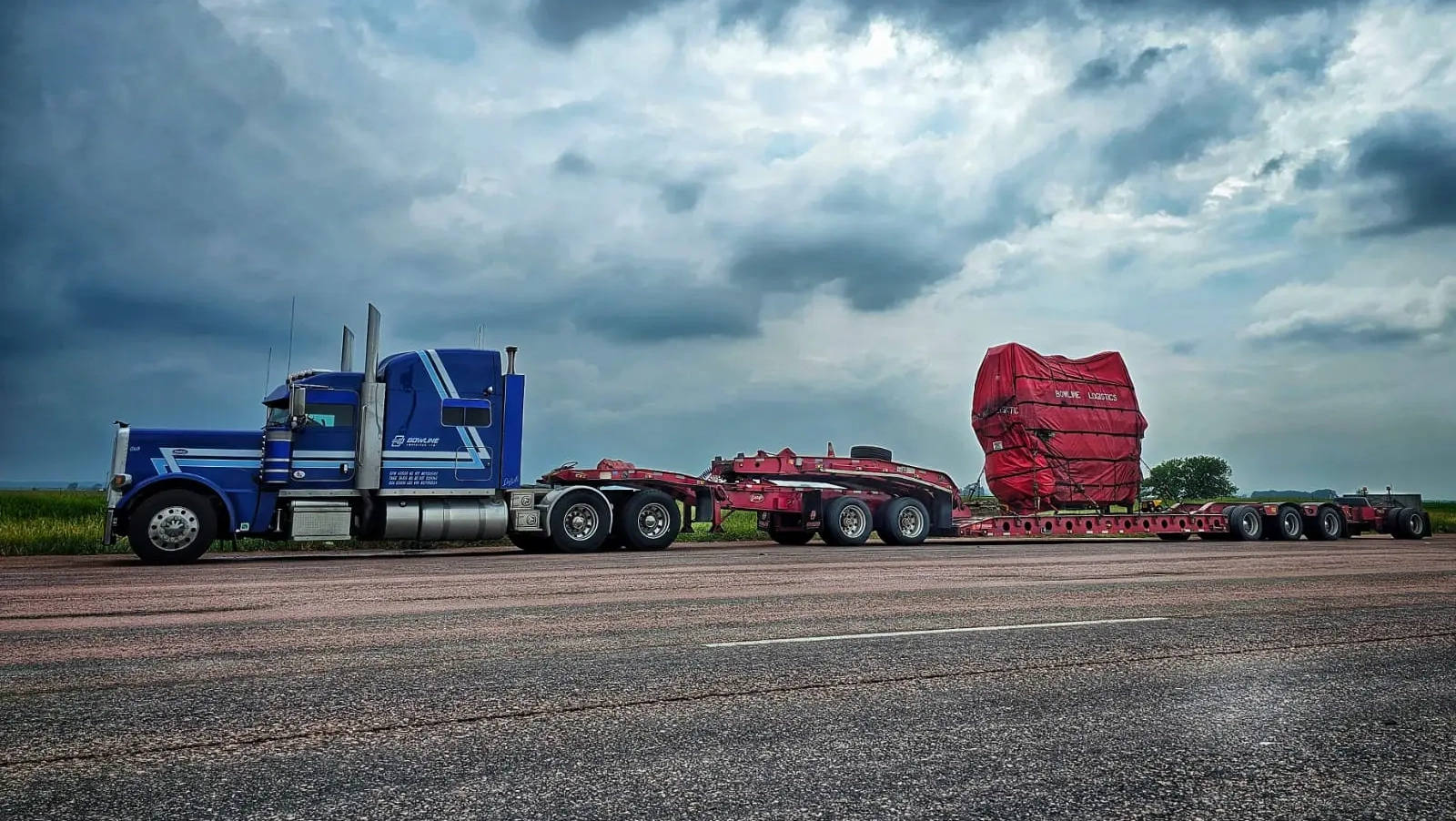
How Heavy Haul Permits Work in Western Canada: A Practical Guide for Shippers

Moving oversized and overweight freight across Western Canada isn’t just about finding the right truck, it’s about understanding permits, regulations, and how each province approaches heavy haul movement differently. Whether you’re shipping heavy equipment, mobile homes, or industrial freight, knowing how the permitting system works can save time, money, and major headaches.

This guide breaks down how heavy haul permits work in Western Canada, what’s required in each region, and how experienced carriers like Bowline Logistics, headquartered in Spruce Grove, Alberta, with an additional location in Regina, Saskatchewan, help simplify the process from planning to delivery.

What Is Considered Heavy Haul in Canada?

In Canada, heavy haul typically refers to any load that exceeds standard dimension limits or regulated weight thresholds for a commercial vehicle. These limits vary slightly by province, but the fundamentals are consistent across most Canadian jurisdictions.

Loads that commonly fall into this category include:

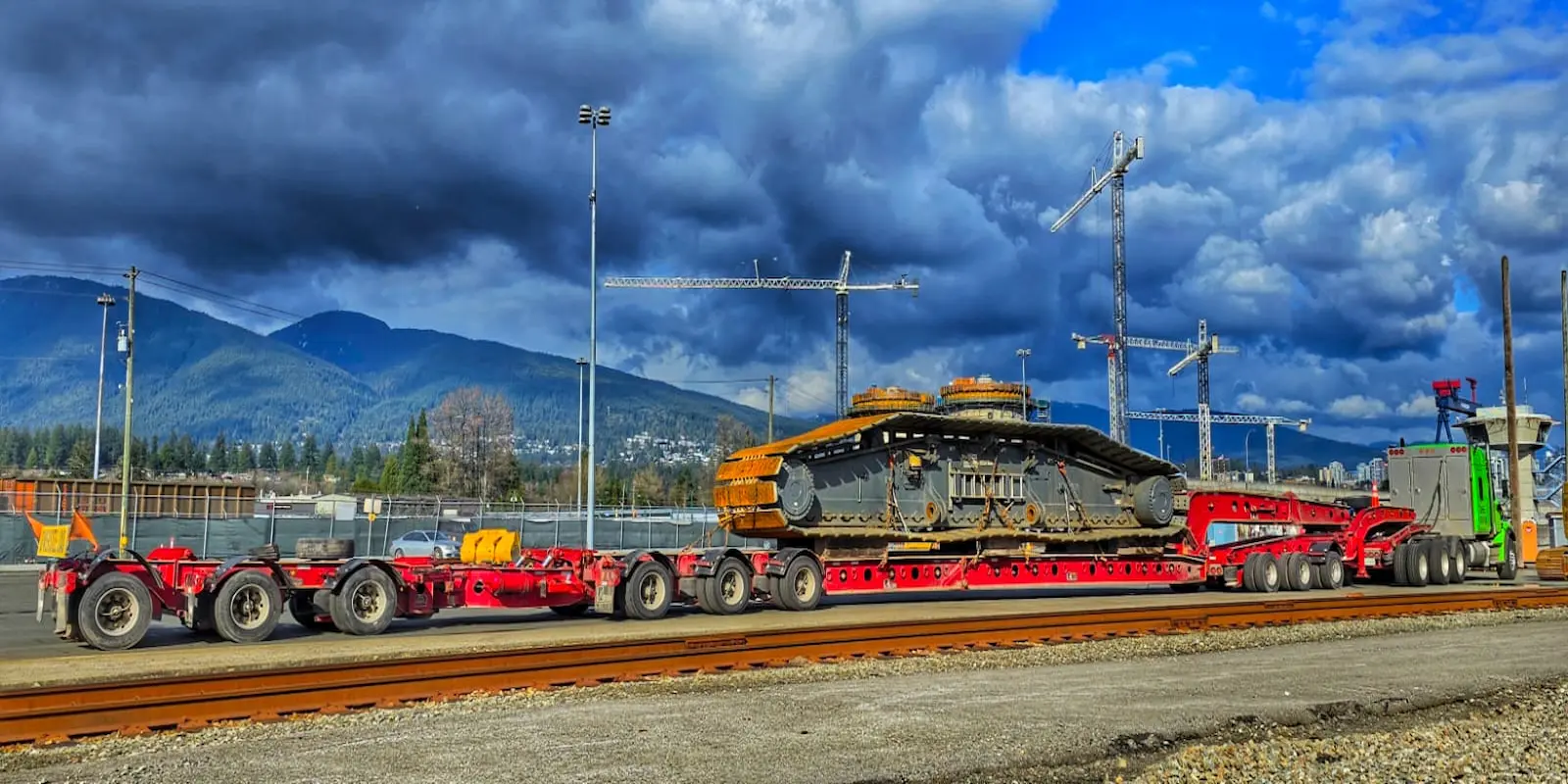
  • Large heavy equipment such as excavators or cranes
  • Industrial components with high axle weights
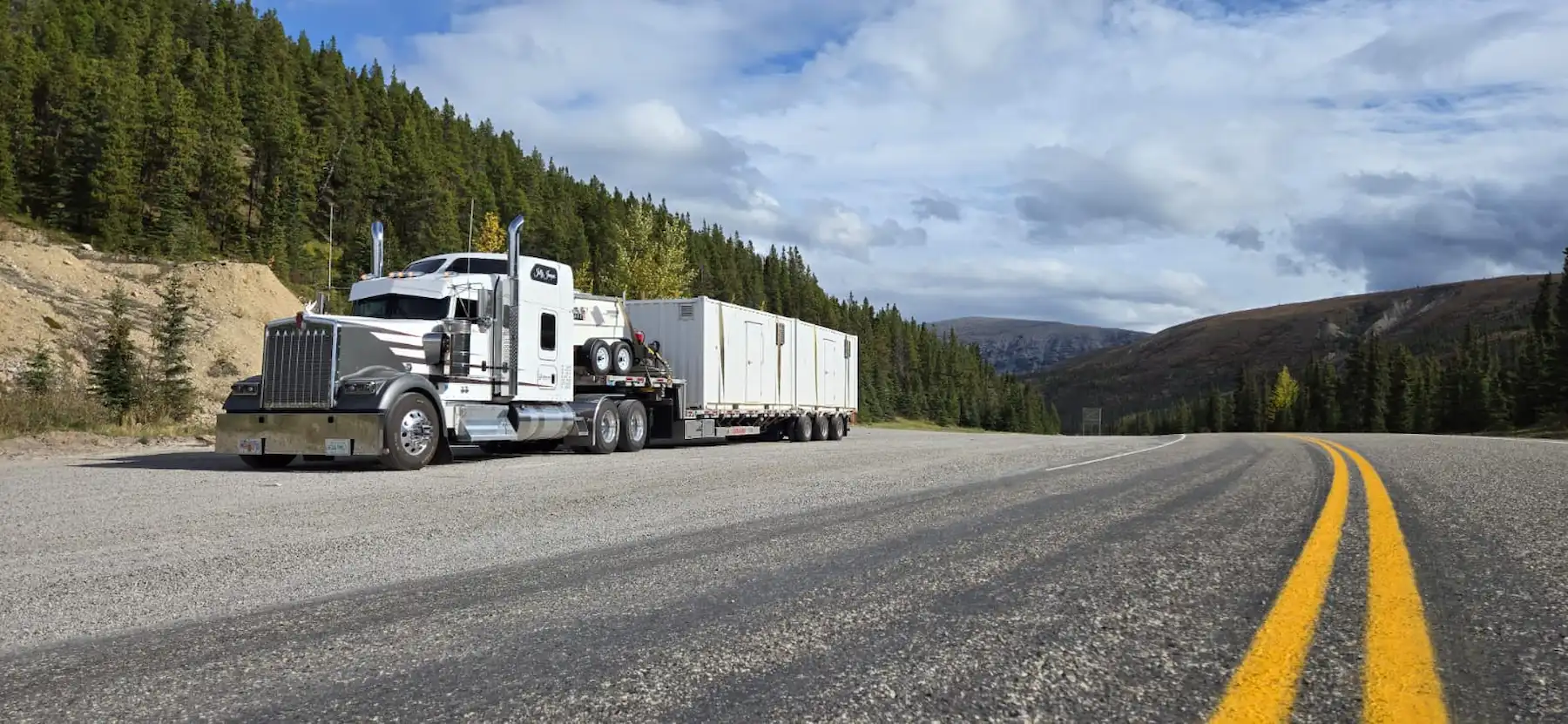
  • Mobile homes and modular structures
  • Multi-axle trailer combination movements
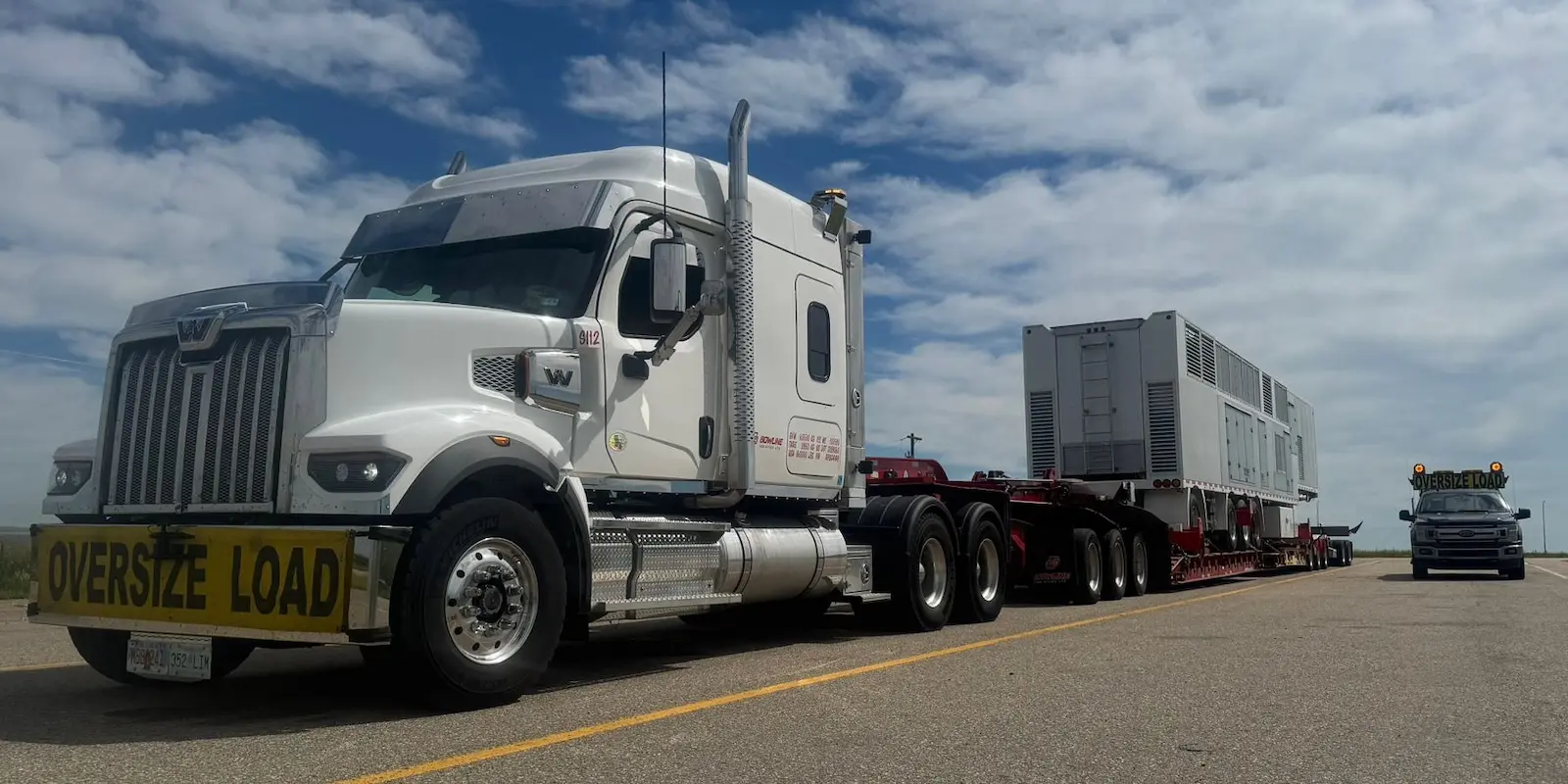
  • Oversize load or wide load shipments

Once a load exceeds standard thresholds for width, height, length, or gross vehicle weight, it requires special authorization before it can travel on public roadways.

Understanding Oversize and Overweight Loads

An oversize load exceeds legal size limits, while overweight loads exceed regulated weight thresholds. Some shipments fall into both categories at the same time.

Oversize permits are typically required when freight is wider, taller, or longer than standard limits, while overweight permits apply when a load exceeds the maximum weight allowed by provincial weight regulation.

Key considerations include:

  • Total GVW (also referred to as gross vehicle weight)
  • Distribution of weight across axles
  • The load’s impact on bridges and road surfaces
  • Road conditions and seasonal limitations

Failing to properly permit an overweight vehicle can result in fines, shipment delays, or forced off-loading.

How Axle Weights and GVW Affect Permitting

While total weight matters, axle weights are often the most critical factor in permit approval. Provinces regulate how much weight each axle, including the steering axle, can carry to protect infrastructure.

For example, two shipments with the same gross vehicle weight may be treated differently if one has better axle distribution. This is why equipment configuration, suspension type, and axle spacing matter so much in heavy haul planning. Bowline Logistics reviews:

  • Axle group spacing
  • Load placement on the semi-trailer
  • Trailer configuration and axle count
  • Overall impact on roadways

This level of planning is essential to securing permits efficiently.

The Heavy Haul Permitting System Explained

Every province operates its own permitting system, but the process generally follows the same structure. A carrier submits a permit application detailing the load, vehicle, trailer combination, and planned routing.

Most permits fall into one of three categories:

  • Single trip permits for one-time movements
  • Trip permits for specific short-term needs
  • Annual permits for recurring oversize movements

Each permit outlines approved travel dates, times, and any operational requirements such as pilot cars, signage, or traffic control.

Provincial Permitting Differences Across Western Canada

Although the fundamentals are similar, permitting rules vary across Canadian jurisdictions. Understanding these differences is critical for cross-province moves.

Alberta

In Alberta, permitting is managed provincially, but municipalities may enforce additional bylaw requirements. Seasonal road bans during spring breakup are especially important and can restrict overweight loads based on road conditions. Carriers operating regularly in Alberta build familiarity with both provincial and municipal permitting requirements over time, and that local knowledge makes a real difference.

Saskatchewan

Saskatchewan applies strict weight restrictions during thaw periods and closely monitors routing for oversize movements. Local approvals may be required for certain rural routes.

British Columbia

British Columbia has some of the most complex permitting rules due to mountainous terrain, frequent road closures, and varying weather conditions. Escort vehicle requirements are common for wide load movements.

Manitoba

Manitoba enforces seasonal road bans and closely regulates overweight permits on secondary highways.

Ontario and Quebec

While outside Western Canada, Ontario and Quebec are often part of long-haul routes. Ontario has detailed axle-based regulations, while Quebec enforces strict escort and signage requirements for oversize permits.

Routing, Road Conditions, and Closures

Permit approvals are closely tied to routing. Provinces evaluate whether a route can safely support the load without damaging infrastructure. Experienced carriers monitor these variables daily to ensure compliance and avoid delays.

Factors that influence routing approvals include:

  • Bridge capacities
  • Construction zones
  • Seasonal road conditions
  • Known closures or detours

Pilot Cars, Escort Vehicles, and Traffic Control

Many heavy haul movements require pilot cars or an escort vehicle to ensure public safety. These support vehicles help manage traffic flow, warn other drivers, and assist at intersections or narrow passages. Common requirements include:

  • Front and rear pilot cars for a wide load
  • Traffic control at intersections
  • Specialized signage indicating an oversize load

Bowline coordinates all escort logistics as part of the transport plan.

Signage and Visibility Requirements

Every permitted movement must display proper signage indicating oversize or overweight status. This includes banners, flags, and lighting to ensure visibility in all conditions. Improper signage can invalidate a permit, even if everything else is compliant.

Exemptions and Special Cases

Some movements qualify for limited exemptions, such as agricultural equipment during specific seasons. However, exemptions are narrow and often misunderstood. Relying on exemptions without verification is risky, especially when crossing multiple jurisdictions.

Commercial Vehicles and Compliance

Permits apply to the load, but enforcement applies to the commercial vehicle operating it. Inspectors check permits, axle weights, gvw, and compliance at roadside inspections.

Why Experience Matters in Heavy Haul Transport

Heavy haul permitting is operational strategy as much as it is paperwork. One oversight can shut down a shipment.

Bowline Logistics manages:

  • Permit applications across provinces
  • Complex trailer combination planning
  • Oversize permits and overweight permits
  • Seasonal road bans and closures
  • Cross-border and inter-provincial compliance

With headquarters in Spruce Grove, Alberta, and a location in Regina, Saskatchewan, Bowline supports heavy haul movements across Western Canada and beyond.

Simplifying a Complex Transport Process

Heavy haul transport in Canada requires precision, planning, and experience. From understanding axle weights and gross vehicle weight to managing pilot cars and routing approvals, every detail matters. Working with a carrier that understands the Canadian permitting landscape ensures your oversize load or overweight vehicle moves safely, legally, and on schedule.

If you’re planning a heavy haul move, whether it’s heavy equipment, mobile homes, or industrial freight, working with a carrier who understands the permitting landscape across these jurisdictions means fewer surprises and more predictable outcomes. Get in touch with the Bowline team to talk through your next move.

ABOUT THE AUTHOR

DeVaughn McEwan, Inside Sales & Marketing, Bowline Logistics

DeVaughn McEwan, Inside Sales & Marketing Lead - Bowline Logistics

DeVaughn works across inside sales and content development at Bowline Logistics, where his focus with Bowline Insights is on making the complex world of heavy haul and oversized freight easier to understand. With a background spanning marketing, finance, and the transportation industry, he translates technical logistics into clear, real-world insights drawn from the work happening on the ground. If you’ve ever wished someone would just explain freight in plain language, that’s the goal.

0 0 Continue Reading →

Top 5 Transportation & Logistics Trends Shaping Western Canada

The transportation and logistics landscape in Canada is evolving rapidly, with Western Canada playing an increasingly critical role in both domestic and North American trade. As Canadian supply chains adapt to economic pressure, shifting trade patterns, and post-pandemic realities, transportation companies, logistics providers, and freight partners are being forced to rethink how they operate, scale, and compete.

From warehousing expansion to cross-border complexity, the logistics industry is responding to measurable changes in market size, market share, and long-term growth rate. These trends are not isolated to one province, they affect Canadian logistics companies across Alberta, British Columbia, Ontario, and major logistics hubs like Vancouver, Toronto, and Montreal.

Below are the top five transportation and logistics trends shaping Western Canada, and what they mean for shippers, service providers, and supply chain leaders across Canada.

1. Supply Chain Resilience Becomes a Core Business Strategy

Supply chain resilience has moved from a theoretical discussion to a practical requirement across Canada. Following the pandemic, global supply chains exposed vulnerabilities that impacted Canadian GDP, international trade, and long-term profitability for businesses dependent on reliable transportation services. Western Canada, in particular, experienced disruptions tied to port congestion, rail constraints involving Canadian Pacific, and limited inland capacity.

As a result, supply chain management strategies are shifting toward redundancy, regional sourcing, and stronger partnerships with logistics providers. Canadian businesses are now evaluating supply chain performance against internal benchmarks, industry reports, and real-time data rather than historical assumptions. The ability to maintain service continuity during disruptions has become a competitive advantage within the logistics market.

This focus on resilience is reshaping logistics operations across Canada and influencing how Canadian logistics companies structure freight forwarding, brokerage, and transportation services.

How Supply Chain Resilience Is Being Implemented

Across Western Canada, supply chain resilience has moved from theory into everyday practice. Canadian organizations are actively restructuring how they source, move, and store freight to reduce exposure to disruptions and maintain continuity. These changes are visible across the logistics industry as companies adapt to lessons learned from the pandemic and ongoing global logistics volatility.

  • Increased regional sourcing to reduce dependency on global logistics routes
  • Greater reliance on third-party logistics partners for flexibility
  • Stronger carrier partnerships to protect service levels
  • Investment in real-time visibility tools to monitor disruptions
  • Alignment with Canadian logistics providers that understand Western Canada

These changes are directly impacting supply chain performance and long-term market share.

2. Warehousing and Inland Logistics Hubs Expand Across Western Canada

Warehousing capacity has become one of the most critical components of the Canadian logistics sector. As freight volumes increase and e-commerce reshapes fulfillment expectations, Western Canada has seen rapid growth in warehousing tied to inland logistics hubs. Locations near Vancouver ports and prairie corridors are expanding to support both domestic distribution and international trade.

This expansion reflects a broader shift in the logistics market, where warehousing is no longer just storage, it is a strategic asset within the supply chain. Canadian transportation companies are investing heavily in warehousing infrastructure to support faster delivery services, improved inventory positioning, and cost control.

Across Canada, warehousing growth is closely linked to market size expansion and the increasing complexity of logistics services required by shippers.

Key Drivers of Warehousing Growth

Warehousing expansion across Canada is being driven by structural changes in how goods move through the supply chain. In Western Canada, warehousing is no longer a passive storage function, it has become a strategic component of logistics services tied directly to speed, availability, and cost control.

  • Growth of e-commerce fulfillment across Canada
  • Demand for faster delivery services in Western Canada
  • Increased reliance on logistics hubs near ports and rail corridors
  • Integration with freight forwarding and customs clearance services
  • Need to optimize inventory flow and reduce shipping costs

3. Cross-Border and North American Trade Complexity Increases

Cross-border transportation continues to shape logistics strategies in Western Canada, especially as trade between Canada, the United States, and broader North America evolves. Changes in tariffs, sourcing strategies, and international trade policy have forced Canadian businesses to reassess how they manage freight flows across borders.

Cross-border logistics now require tighter coordination between freight forwarding, customs clearance, and transportation services. Canadian logistics companies operating in Western Canada must support north-south freight while managing compliance, brokerage requirements, and fluctuating pricing.

This complexity is driving demand for logistics providers that understand North American trade dynamics and can support consistent service across borders.

Cross-Border Logistics Challenges and Responses

Cross-border transportation introduces layers of complexity that Canadian logistics companies must actively manage. As international trade volumes fluctuate and tariffs evolve, logistics providers are being forced to adapt processes, pricing models, and service structures to maintain consistency across North American freight corridors.

  • Increased scrutiny on customs clearance processes
  • Greater reliance on freight forwarding expertise
  • Adjustments to pricing models based on tariffs
  • Demand for cross-border visibility and real-time tracking
  • Alignment with service providers experienced in North American trade

4. Automation and Technology Redefine Logistics Operations

Automation is no longer optional in modern logistics operations. Across Canada, logistics providers are adopting automation to optimize warehousing, transportation planning, and real-time tracking. These investments are designed to improve efficiency, reduce labour dependency, and increase profitability.

Automation is also reshaping how Canadian transportation companies measure performance. Real-time data, predictive analytics, and automated workflows allow logistics services to respond faster to disruptions and changing customer demands. Industry reports consistently show that automation adoption correlates with improved growth rate and stronger market share within the logistics market.

For Western Canada, automation supports scalability across long distances and complex transportation networks.

Where Automation Is Making the Biggest Impact

Automation has moved beyond experimental adoption and is now embedded within logistics operations across Canada. From warehousing to transportation services, automation is being used to improve accuracy, speed, and profitability while reducing manual intervention.

  • Automated warehousing and inventory systems
  • Real-time shipment tracking and visibility tools
  • Optimization of routing and transportation services
  • Data-driven pricing and capacity planning
  • Enhanced coordination with couriers and delivery services

5. Sustainability and Emissions Become Strategic Priorities

Sustainability has become a strategic focus across the Canadian logistics industry, driven by regulatory pressure, customer expectations, and economic considerations. Transportation companies are under increasing pressure to reduce emission output while maintaining service reliability and profitability.

In Western Canada, sustainability initiatives include fleet modernization, route optimization, and collaboration with logistics providers that prioritize efficiency. These efforts align with broader global logistics trends and reflect Canada’s commitment to responsible international trade.

For transportation companies across Western Canada, sustainability has become fully integrated into business strategy, shaping supply chain planning, transportation services, and long-term investment decisions.

Sustainability Initiatives Gaining Momentum

Sustainability initiatives within the Canadian logistics sector are accelerating as environmental accountability becomes a competitive requirement rather than a branding exercise. Transportation companies across Western Canada are implementing measurable changes to reduce emission output while maintaining service reliability.

Industry Consolidation and Strategic Partnerships

Mergers and partnerships are becoming more common as logistics providers seek scale, specialization, and expanded market share. Across Canada, mergers are reshaping the competitive landscape of the logistics sector, particularly among mid-sized transportation companies.

Strategic partnerships allow Canadian logistics companies to expand service offerings without sacrificing focus. These partnerships improve sourcing options, strengthen logistics hubs, and enhance service provider capabilities across Western Canada.

Consolidation is redefining how logistics services are delivered across the Canadian market.

What This Means for Transportation Companies

  • Increased competition for market share
  • Greater emphasis on service differentiation
  • Expanded logistics solutions through partnerships
  • Improved access to North American networks
  • Stronger positioning within the logistics market

Partnerships are now essential to long-term success. The combined impact of market consolidation, technology investment, and changing customer expectations is reshaping how transportation companies operate across Canada. These shifts are redefining market share, competitive positioning, and long-term profitability within the logistics market. For carriers with strong industry relationships and established networks, that consolidation creates opportunity rather than pressure.

The Future of Logistics in Western Canada

The transportation and logistics industry in Western Canada is undergoing a period of rapid transformation. As supply chains evolve across Canada, logistics providers must adapt to changing expectations around pricing, sustainability, automation, and cross-border complexity. These trends are not temporary, they are structural shifts shaping the future of Canadian logistics.

For shippers, service providers, and transportation companies alike, success will depend on the ability to optimize operations, leverage partnerships, and respond to market forces with agility. Western Canada’s role in global and North American trade will continue to grow, making logistics excellence a defining factor in economic performance.

As logistics complexity increases,choosing the right partner matters. If you’re navigating these shifts and want to talk through what they mean for your freight, get in touch with the Bowline team.

ABOUT THE AUTHOR

DeVaughn McEwan, Inside Sales & Marketing, Bowline Logistics

DeVaughn McEwan, Inside Sales & Marketing Lead - Bowline Logistics

DeVaughn works across inside sales and content development at Bowline Logistics, where his focus with Bowline Insights is on making the complex world of heavy haul and oversized freight easier to understand. With a background spanning marketing, finance, and the transportation industry, he translates technical logistics into clear, real-world insights drawn from the work happening on the ground. If you’ve ever wished someone would just explain freight in plain language, that’s the goal.
1 1 Continue Reading →

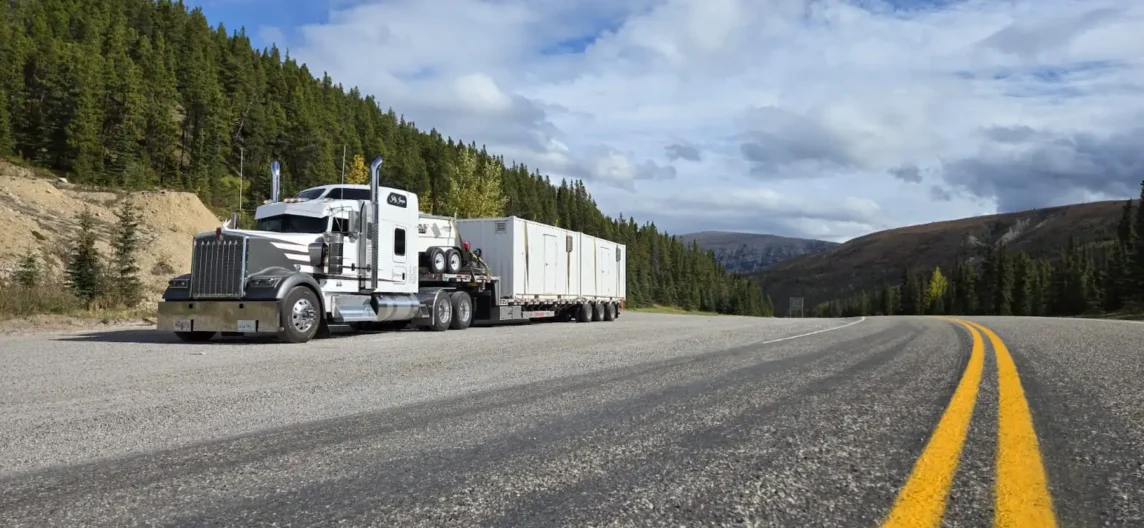
Cross-Border Trucking: The Great Canadian–American Road Trip

Moving freight across the border between Canada and the United States sounds straightforward enough: load a truck, hand over the paperwork, flash a smile at the customs officer, and off you go. Except… not quite.

In reality, cross-border trucking is a finely tuned, regulation-heavy dance between logistics planning, customs clearance, and problem-solving on the fly. And unlike a leisurely summer road trip, this one doesn’t allow for scenic detours, not unless you like fines, shipment delays or having your goods sent back to where they came from.

For shippers and manufacturers, partnering with the right cross-border trucking company can mean the difference between delivering on time and delivering excuses. That’s where Bowline Logistics comes in. But before we get to that, let’s talk about why cross-border freight transport is a whole different beast.

Why Cross-Border Trucking is Not Just “Domestic Plus Paperwork”

Domestic freight transport has its challenges – scheduling, load security, equipment maintenance – but the moment you add an international border, the complexity increases exponentially. Cross-border logistics involves navigating two sets of regulations, customs requirements, and carrier responsibilities.

When your freight is moving from Saskatchewan to South Dakota or from Vancouver to Vegas, your trucking partner needs to:

  • Understand customs clearance procedures for both Canada and the USA.

  • Be equipped for international freight shipping, including USMCA/NAFTA documentation.

  • Manage carrier licensing and insurance in two countries.

In short: cross-border freight solutions demand both experience and precision.

Customs Clearance: The Gatekeeper of Cross-Border Logistics

Ask any veteran in Canada-US freight transport what slows a shipment down, and “customs clearance” will almost always top the list.

The process requires more than a commercial invoice and a handshake. You’ll need:

Bill of Lading (BOL)

The master document of the shipment. Think of the Bill of Lading as the freight world’s version of a boarding pass, ID, and contract all rolled into one. It’s issued by the carrier to the shipper and serves three big purposes:

  1. Receipt of Goods: Confirms that the carrier has received the freight in good order.

  2. Contract of Carriage: Lays out the agreed terms for transporting the goods from origin to destination.

  3. Document of Title: Proves who legally owns the goods while they’re in transit.

For cross-border trucking companies, accuracy here is non-negotiable. Every detail from the shipper’s and consignee’s names to the freight description, weight, and quantity must be spot on. If the BOL says “10 pallets” and customs counts 11, you’re about to have a very long day at the border.

Commercial Invoice

If the Bill of Lading says what’s moving, the Commercial Invoice explains what it’s worth. Customs officers care a lot about that number. This document details:

  • The seller’s and buyer’s full information.

  • A complete description of the goods.

  • Quantities and unit prices.

  • The total value of the shipment.

  • Currency of sale.

  • Incoterms (who’s responsible for freight, insurance, and duties).

Why so much detail? Customs uses the Commercial Invoice to calculate duties and taxes, verify compliance with trade agreements, and make sure you’re not undervaluing goods to sneak in under tariff thresholds. One missing or vague line here can cause your Canada-US freight transport to grind to a halt.

Certificate of Origin

Under the United States–Mexico–Canada Agreement (USMCA), certain goods qualify for reduced or zero tariffs, but only if you can prove where they were made.

This document certifies that the goods meet the agreement’s rules of origin. It needs to be completed accurately and kept on file (often for up to five years) in case customs decides to audit. For example, a Saskatchewan-manufactured piece of farm equipment heading to North Dakota could move duty-free if the Certificate of Origin is in order. Without it? You’re paying full duties, and the competitive pricing advantage is gone.

Customs Broker Coordination

Customs brokers are like translators between your business and the ever-changing, acronym-heavy world of border regulations. They handle:

  • Assigning the correct Harmonized System (HS) codes.

  • Filing customs entries electronically.

  • Calculating duties, taxes, and fees.

  • Liaising with customs officials to smooth out any issues.

In cross-border logistics, a seasoned customs broker is the difference between a truck rolling through the port of entry and one parked for hours while drivers re-fax paperwork (yes, fax still exists at some borders). Experienced carriers work closely with trusted brokers, often having them pre-clear shipments with tariff codes before the truck even arrives at the crossing.

Without the right customs brokerage for trucking companies, shipments risk being held, inspected or outright denied entry. Carriers who integrate customs procedures into their operations keep freight moving instead of sitting idle at the border.

Paperwork: The True Border Patrol

For cross-border trucking companies, paperwork is more than a formality — it’s the lifeline of the operation. The smallest mistake in a Harmonized System (HS) code or mismatch between documents can trigger delays, extra costs, or, in extreme cases, seizures.

Pro tip: Triple-check paperwork before the truck leaves the yard. It’s much easier to correct a PDF than a truckload of goods parked on the wrong side of the border.

Regulatory Differences That Keep Drivers Awake at Night

Rules change the moment wheels cross the border. Canadian drivers entering the U.S. must comply with Federal Motor Carrier Safety Administration (FMCSA) regulations, while American drivers heading north must meet Canadian safety, insurance, and compliance requirements.

Some differences include:

  • Hours of Service (HOS): Limits on driving time and rest breaks vary.

  • Insurance Minimums: Liability requirements differ between countries.

  • Weight Limits: Axle weight and total gross vehicle weight standards vary by state and province.

These aren’t “guidelines” — they’re hard requirements, and failing to follow them can stop a shipment in its tracks.

Freight Types That Need Special Attention

Not all freight is created equal in the eyes of customs and transport laws. Some types of loads require additional documentation, permits, or handling protocols:

LTL Cross-Border Shipments

Multiple customers’ goods in one truck require meticulous documentation for each shipment.

Oversized Cross-Border Loads

Think wind turbine blades or heavy machinery. These require special routing, permits, and sometimes escorts.

Temperature-Controlled Cross-Border Freight

From fresh produce to pharmaceuticals, any break in the cold chain can spell disaster.

Dangerous Goods

Flammable, toxic, or otherwise hazardous freight must meet both Transport Canada and U.S. Department of Transportation standards.

The High Cost of Getting It Wrong

If a shipment is delayed or turned back at the border, it’s not just the delivery that takes a hit, the ripple effects can be costly and far-reaching. Missed deadlines with downstream customers can throw entire schedules into chaos, while storage and demurrage fees quickly add up, eating into profit margins. On top of that, every delay chips away at your reputation with buyers and partners, eroding trust that took years to build. In a cross-border supply chain, even a 24-hour setback can derail production timelines, making the choice of a cross-border trucking company one of the most critical decisions in your logistics strategy.

Why Choosing the Right Cross-Border Trucking Company Matters

Here’s the thing, anyone with a truck and a passport can technically move freight across the border. But only a select few can do it with the efficiency, compliance, and reliability that keeps your supply chain humming.

A great cross-border freight transport partner will:

What to Look for in a Cross-Border Trucking Partner

Cross-border trucking requires more than a truck and a licence. Here is what a carrier who actually knows this work looks like in practice:

Whether it’s a single load from Calgary to Colorado or ongoing cross-border supply chain support, we combine industry know-how with the personal service that keeps shippers coming back.

Your Freight Deserves a First-Class Border Crossing

Cross-border freight shipping is not the place for trial and error. Every delay, every missing document, every overlooked permit eats into your margins and erodes customer trust.

So, if you’re ready to keep your Canada-U.S. freight moving without the drama, sign-up for a Free Quote from Bowline Logistics.

ABOUT THE AUTHOR

DeVaughn McEwan, Inside Sales & Marketing, Bowline Logistics

DeVaughn McEwan, Inside Sales & Marketing Lead - Bowline Logistics

DeVaughn works across inside sales and content development at Bowline Logistics, where his focus with Bowline Insights is on making the complex world of heavy haul and oversized freight easier to understand. With a background spanning marketing, finance, and the transportation industry, he translates technical logistics into clear, real-world insights drawn from the work happening on the ground. If you’ve ever wished someone would just explain freight in plain language, that’s the goal.
0 0 Continue Reading →

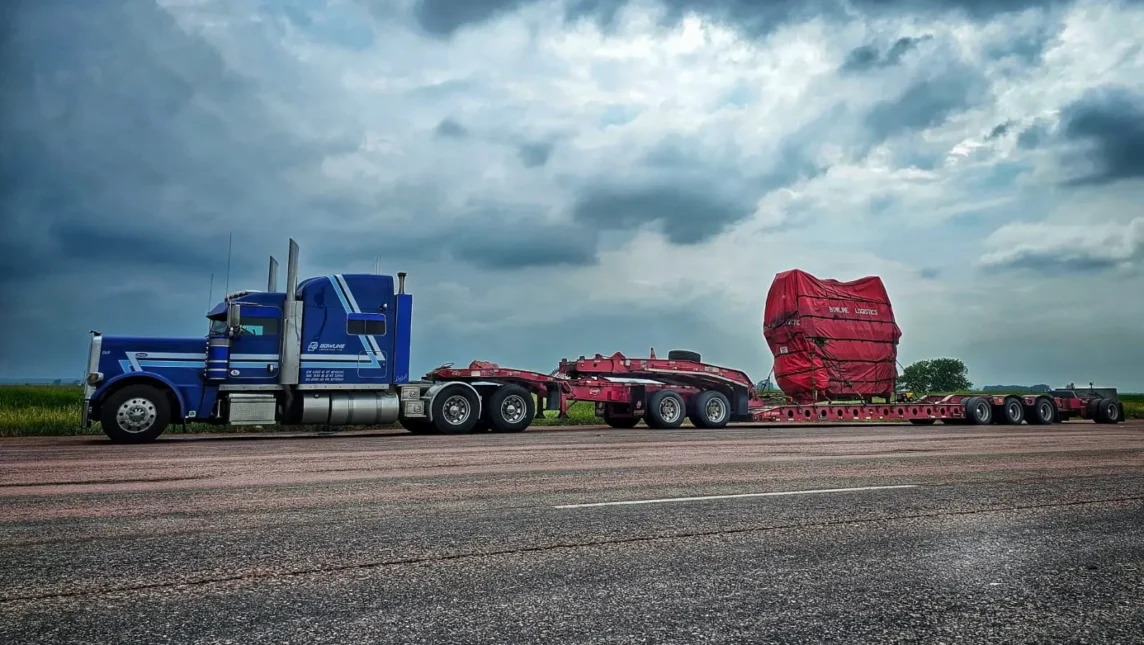
What Freight Is Considered Heavy Hauling?

A Deep Dive into Heavy Haul Trucking, Open Deck Freight, and Specialized Logistics Across Western Canada and North America

Heavy hauling is more than just moving big equipment, it’s a specialized sector of trucking and logistics that demands precision, power, and planning. Whether it’s transporting a 100,000 lb transformer through Alberta’s backroads or moving oversized mining equipment across the U.S. border, heavy haul freight is a critical pillar of infrastructure, manufacturing, and construction across Western Canada and North America.

But what exactly qualifies as “heavy haul”? And what goes into ensuring that kind of freight arrives safely and on time?

Let’s break it down.

What Is Heavy Haul Trucking?

Heavy haul trucking refers to the transportation of oversize or overweight freight that exceeds standard legal limits. These loads often require specialized trailers, permits, escort vehicles, and routing strategies.

Legal Weight and Size Thresholds:

  • Weight: 80,000 lbs gross vehicle weight (varies slightly by province/state)
  • Width: More than 8.5 feet (102 inches)
  • Height: More than 13.5 feet
  • Length: Over 53 feet for trailers (varies with configurations)

These thresholds can vary by province, territory, or state — so working with a logistics provider who knows the regional rules is essential.

Common Industries That Require Heavy Haul Services

Heavy haul trucking plays a foundational role in industries that rely on the movement of massive, mission-critical freight.

Key Sectors Served:

  • Construction & Infrastructure: Cranes, excavators, concrete forms, and bridge beams.
  • Mining: Oversized drills, haul trucks, crushers, and processing modules.
  • Energy & Utilities: Wind turbine components, transformers, substations, and oil & gas skids.
  • Manufacturing: Industrial press systems, generators, and CNC machinery.
  • Agriculture: Grain bins, combines, and oversized implements.

If it can’t fit in a dry van or if it weighs more than 50 tons you’re likely in heavy haul territory.

It’s Not Just the Truck, It’s the Planning

Transporting an oversized load isn’t as simple as strapping it to a flatbed. It takes smart logistics planning and execution from a team who knows how to make it happen.

Heavy Haul Freight Planning Includes:

That’s the kind of planning Bowline’s team handles as part of every move. Offering turnkey freight solutions with specialized support across Canada and North America.

Open Deck Equipment Built for the Job

The right trailer makes all the difference when it comes to heavy haul freight. Open deck equipment allows for top-load, side-load, and crane-load capability, and can be customized for load dimensions.

Types of Open Deck Trailers Used in Heavy Haul Trucking:

  • Flatbeds: Versatile, up to 48–53 feet long. Ideal for lumber, steel, or lighter oversized freight.
  • Step Decks: Lower deck height for taller loads, common in equipment transport.
  • Double Drops / Lowboys: Ultra-low clearance for tall and heavy machinery.
  • Extendable Trailers: Ideal for long components like beams or wind turbine blades.
  • Multi-Axle RGN (Removable Gooseneck): Heavy-duty builds to haul up to 150,000 lbs.
  • Trombone Trailers: Extendable for modular buildings or oversized pipes.

Every Bowline truck and trailer is meticulously maintained and selected for the job at hand and every route is mapped with the equipment’s dimensions and turning radii in mind.

Heavy Haul in Western Canada and North America

Western Canada is a hotbed for heavy haul freight with sprawling infrastructure projects, energy developments, and remote-access mining operations.

Provinces Where Heavy Haul Is Critical:

  • Alberta: Oilfield skids, transformers, oversized tanks.
  • Saskatchewan: Mining drills, combines, fertilizer spreaders.
  • British Columbia: Hydroelectric components, forestry machinery.
  • Manitoba: Grain bins, utility modules, structural steel.

And it doesn’t stop at the border.

Bowline Logistics operates across North America, coordinating cross-border heavy haul freight between Canada and the U.S., handling permits, customs, and compliance on both sides of the border.

Cross-Border Heavy Haul with Bowline:

  • Licensed bonded carrier
  • Customs clearance management
  • Northbound and southbound freight
  • U.S. routing, permitting, and compliance support
  • Real-time tracking and communication

Whether it’s a turbine from B.C. to Texas or a grain processor from Saskatchewan to Ohio, the coordination is handled from pickup to delivery.

Why Heavy Haul Freight Requires a Trusted Carrier

In the logistics industry, reliability isn’t a buzzword, it’s everything.

Heavy haul jobs are high-risk and high-stakes. A single permit error, a wrong turn, or poor securement can cost companies millions in delays, damages, or fines.

That’s why shippers across Western Canada and North America choose Bowline Logistics when reliability matters most.

How Bowline Makes Heavy Haul Freight Happen

Heavy haul moves are complex by definition. Here’s how Bowline approaches them:

Bowline Logistics Heavy Haul Capabilities:

  • Project Planning: End-to-end support for complex, multi-load jobs.
  • Fleet Diversity: Access to flatbeds, step decks, RGNs, and extendables.
  • On-Site Support: Supervisors available for loading and securement.
  • Bonded & Insured: Cross-border expertise, full compliance, peace of mind.
  • Yard Facilities: Staging and transloading available in Alberta and Saskatchewan.

What Types of Loads Count as Heavy Haul?

Let’s get specific. Here’s a snapshot of the types of cargo that typically qualify as heavy haul trucking freight.

Examples of Heavy Haul Loads:

  • Excavators and bulldozers
  • Wind turbine nacelles and blades
  • Electrical transformers
  • Industrial boilers
  • Modular offices and prefab buildings
  • Hydraulic presses
  • 10’ wide steel tanks
  • Agricultural sprayers and grain carts
  • Mining shovels and haul truck beds

If your load needs special routing, extra axles, or an escort car, it’s a heavy haul.

Open Deck vs Enclosed: Why Open Deck Rules in Heavy Haul

In standard freight, enclosed trailers dominate. But when it comes to oversize and overweight loads, open deck trailers are the only way forward.

Benefits of Open Deck Freight in Heavy Haul Logistics:

  • Flexible Loading: Cranes or forklifts can load from the top or side.
  • Size Accommodation: Oversized width or height isn’t restricted by walls or roofs.
  • Modular Load Setup: Combine equipment, components, or crates into one haul.
  • Securement Options: Multiple tie-down points for safety.

Bowline’s open deck fleet is set up for this kind of work, with drivers who understand what proper securement actually requires on high-risk loads.

Permits, Paperwork, and Planning: What You Need To Heavy Haul

One of the most misunderstood parts of heavy haul is the paperwork. Moving a 70-ton excavator from Saskatchewan to North Dakota isn’t just a matter of horsepower. It’s about compliance.

What’s Required for a Heavy Haul Move?

  • Oversize/Overweight permits (per province/state)
  • Customs documentation for cross-border hauls
  • Pilot car scheduling and compliance
  • Route mapping and bridge analysis
  • Equipment inspections and pre-trip certifications

Bowline’s in-house logistics team manages all of it.

When to Call in the Heavy Haul Experts

Not every load is a heavy haul. But when it is, you’ll know. Here are the signs you need a heavy haul logistics provider:

  • The load won’t fit in a standard trailer
  • You’re dealing with construction, mining, or energy infrastructure
  • Permits or escorts are required
  • Your freight exceeds 50,000–80,000 lbs
  • You’re unsure how to route the load safely

Heavy haul trucking is essential to progress. It builds our cities, powers our homes, feeds our economies, and keeps projects moving forward. When a load needs specialized equipment, proper permits, and a team that knows the route, that’s where the work begins.

Looking to move a heavy haul load?

Reach out to Bowline Logistics today and discover what reliability really looks like.

ABOUT THE AUTHOR

DeVaughn McEwan, Inside Sales & Marketing, Bowline Logistics

DeVaughn McEwan, Inside Sales & Marketing Lead - Bowline Logistics

DeVaughn works across inside sales and content development at Bowline Logistics, where his focus with Bowline Insights is on making the complex world of heavy haul and oversized freight easier to understand. With a background spanning marketing, finance, and the transportation industry, he translates technical logistics into clear, real-world insights drawn from the work happening on the ground. If you’ve ever wished someone would just explain freight in plain language, that’s the goal.

1 0 Continue Reading →