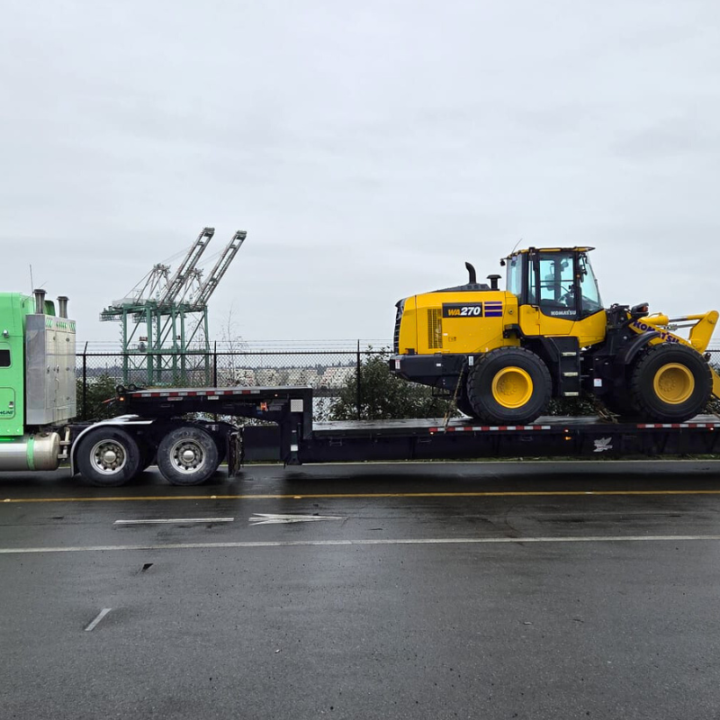
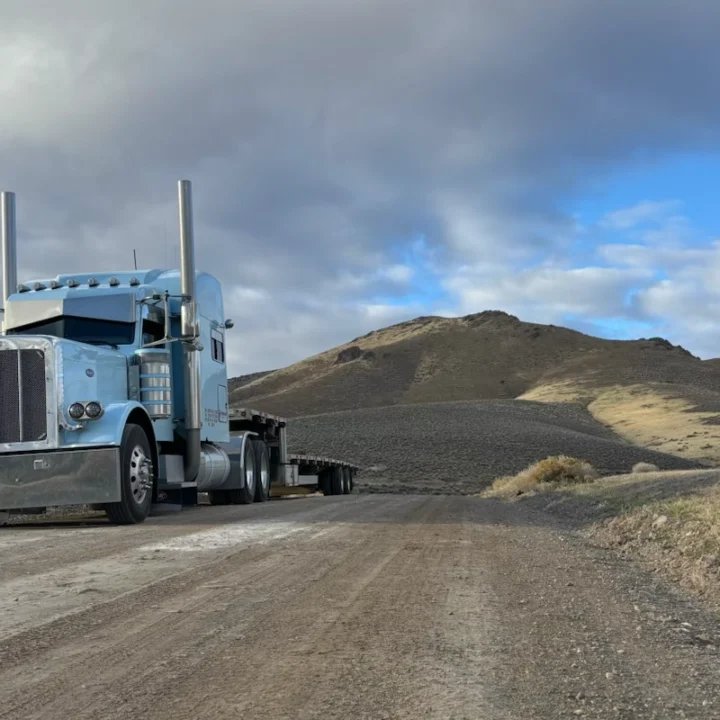
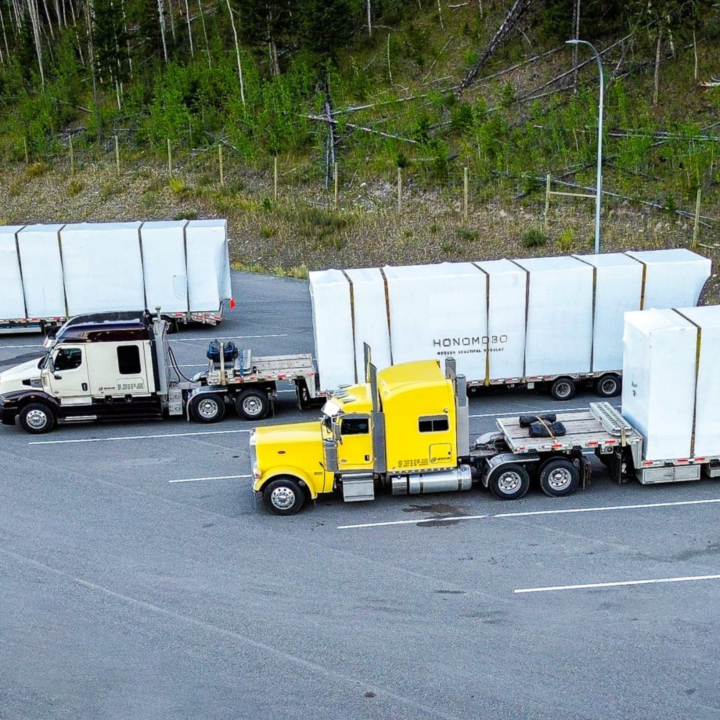
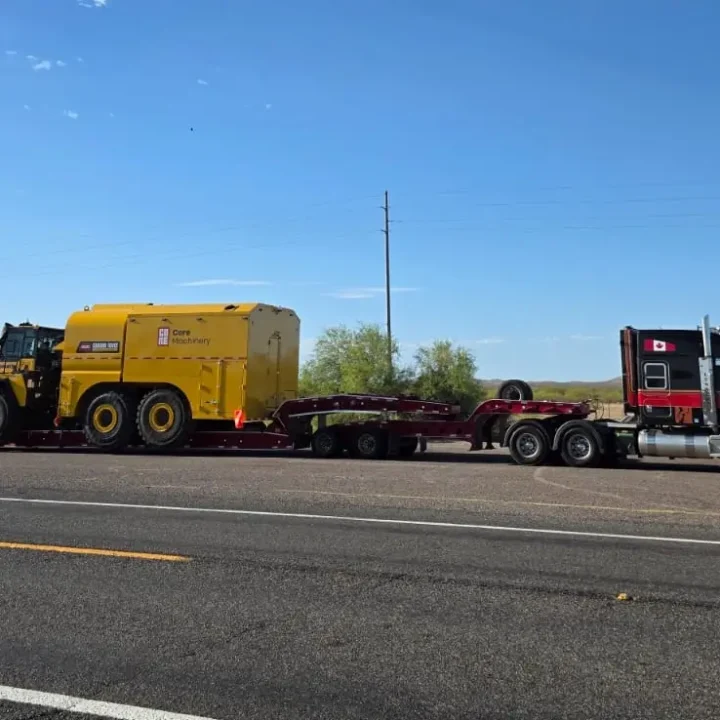
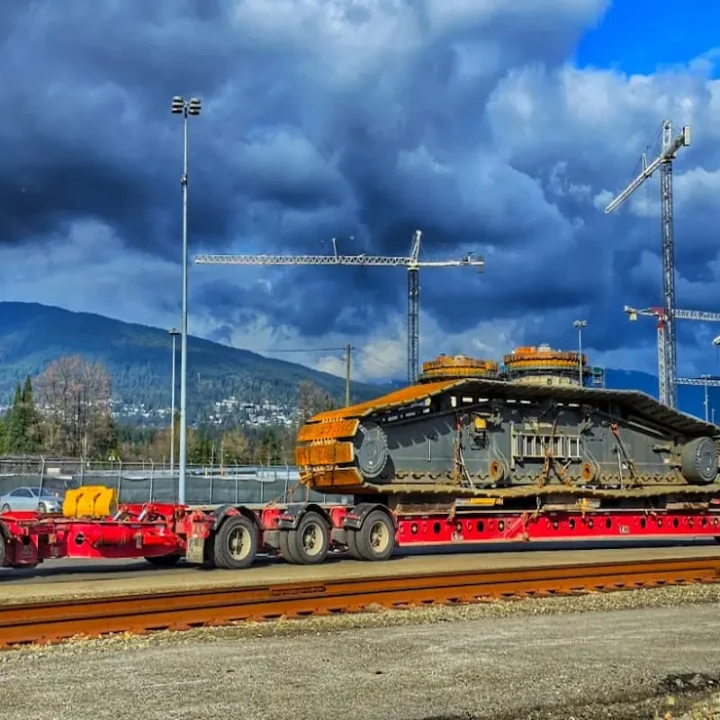
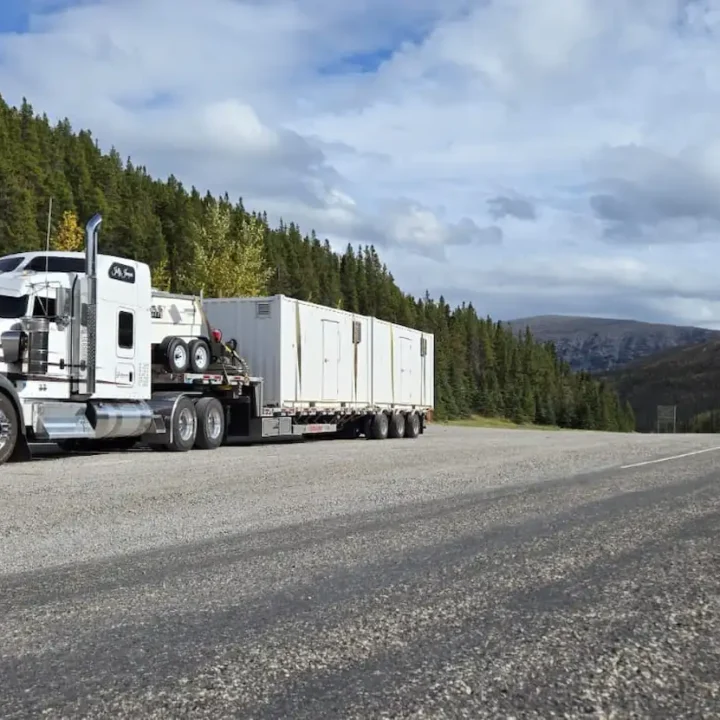
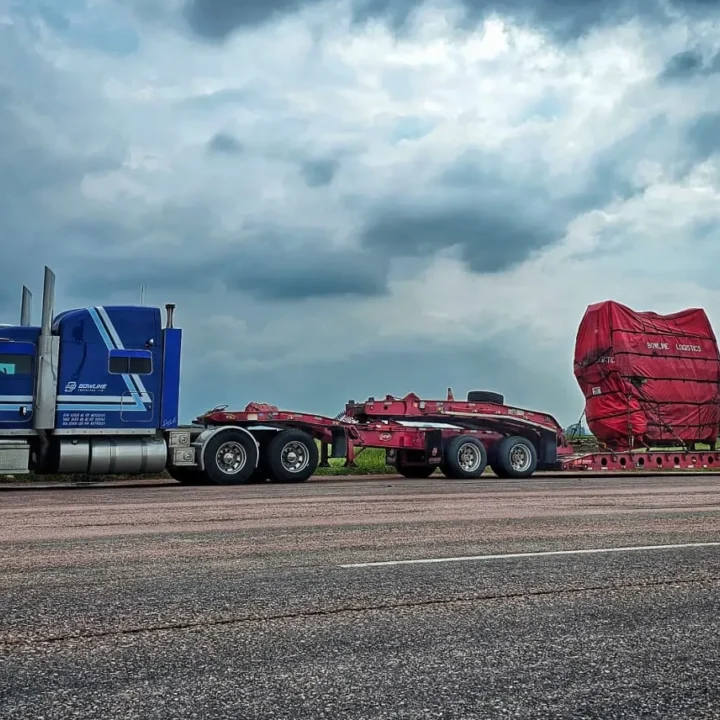
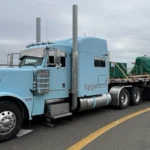
Moving an oversize load is about far more than horsepower and trailers. When freight exceeds standard dimensions or weight thresholds, safety, planning, and regulatory compliance take centre stage. At the heart of successful heavy haul operations are escort vehicles and disciplined route planning, ensuring loads move efficiently through Western Canada, across Canada, and into the United States.
For carriers like Bowline Logistics, escort coordination and routing aren’t afterthoughts — they are integral to every single trip, every permit, and every mile traveled.
Why Escort Vehicles Matter in Oversize Load Transport
An oversize load introduces risks to infrastructure, visibility, and surrounding traffic. This is where escort vehicles become critical. These vehicles provide advance warning, manage spacing, and help guide loads through complex environments. For overweight loads or shipments with significant overhang, escort support is often mandatory.
In heavy haul operations, escort vehicles support safety by:
- Alerting motorists to approaching wide or long freight
- Managing lane positioning on multi-lane highways
- Assisting with intersections, merges, and exits
- Helping the load driver maintain compliance with permit conditions
Escort Vehicle Requirements Across Jurisdictions
Escort vehicle requirements vary by jurisdiction, route, and load configuration. Provincial and state authorities outline when escorts are required based on load dimensions, gross vehicle weight, and overhang length. Common escort vehicle requirements include:
- One or more escort vehicles for wide loads
- A rear escort for long loads with rear overhang
- A pilot car equipped with safety equipment
- An experienced escort driver trained in traffic coordination
Escort vehicle requirements are always detailed within permit conditions and must be followed exactly for each single trip.
Route Planning: The Backbone of Oversize Load Movement
Effective route planning ensures that an oversize load can move safely without damaging infrastructure or disrupting traffic. Bowline Logistics treats route planning as a strategic process, not a checkbox. This process includes:
- Reviewing weight limits and weight restrictions
- Avoiding low bridges and areas below maximum height
- Navigating urban areas versus rural corridors
- Accounting for road conditions and weather conditions
Good routing minimizes delays, reduces risk, and ensures compliance across borders.
Route Surveys and Real-World Conditions
Before any oversize movement begins, Bowline conducts detailed route surveys designed to uncover potential challenges long before a truck ever rolls. These surveys go well beyond digital maps or routing software and focus on real-world conditions that can impact safe movement. By physically reviewing routes, Bowline identifies issues such as physical obstructions including signage, overhead utilities, and power lines, as well as narrow roads and constrained intersections that may limit turning or clearance. Active construction zones, temporary closures, and unexpected detours are also evaluated as part of the process. This hands-on approach allows Bowline to anticipate challenges, build contingency plans, and support real-time decision-making once the shipment is underway.
Managing Multi-Lane and Urban Roadways
Oversize movements frequently require travel on multi-lane highways and through dense urban areas, where traffic volume, limited space, and complex intersections increase the level of difficulty. Successfully navigating these environments demands precision and constant coordination between the load driver and the escort team. Lane changes on busy multi-lane corridors must be carefully timed, while tight intersections require advance positioning and clear communication to ensure adequate turning space. In high-traffic zones, coordinating with road users becomes essential to maintaining safety and minimizing disruption. Escort vehicles play a critical role in these scenarios by managing spacing, controlling traffic flow when needed, and protecting both the oversize load and surrounding motorists throughout multi-lane and urban environments.
Pilot Cars, Communication, and Coordination
A pilot car is often the front line of communication during heavy haul movements. Each pilot car is equipped to relay information to the load driver and other escorts. This communication allows teams to react in real-time to traffic, road conditions, or unexpected events. It includes:
- A two-way radio for direct coordination
- Flashing lights and amber lights
- High-visibility signage and warning flags
Traffic Control and Traffic Management
Oversize movements frequently require active traffic control, particularly at intersections or during lane closures. Traffic management strategies are designed to keep shipments moving while protecting the public. This includes:
- Temporary lane holds
- Coordinating with municipal authorities
- Managing traffic through multi-lane crossings
Well-executed traffic management reduces risk and keeps roadway disruption to a minimum.
Permit Applications and Special Permits
Every oversize movement begins with a permit application. This application outlines load size, weight, routing, and escort needs. Most oversize shipments require special permits, which may be issued as:
- Single trip permits
- Multi-day or corridor-based permits
- Region-specific special permits
Each permit application results in defined permit conditions that govern speed, travel windows, and escort usage.
Permit Conditions and Travel Restrictions
Permit conditions define exactly how, when, and where an oversize load is permitted to travel, and they are a critical part of every compliant move. These conditions often specify allowable travel windows, such as daylight-only operation, and may restrict movement during poor weather conditions when visibility or road safety is compromised. Additional limitations can apply during peak traffic periods or around holidays and special events when roadways are more congested. Understanding these travel restrictions and adhering to permit conditions is essential, as even minor deviations can result in fines, delays, or permit revocation. Bowline carefully reviews and plans around these requirements to ensure every movement remains compliant from start to finish.
Managing Overhang and Long Loads
Loads with extended overhang introduce unique operational challenges that require careful planning and precise execution. Excessive front or rear overhang can significantly affect turning radii, lane positioning, and stopping distances, often triggering additional escort vehicle requirements. For long loads, escort teams play an active role by monitoring rear clearance, protecting following traffic, and assisting the load driver when navigating tight intersections or confined roadways. Managing overhang properly not only improves safety but also reduces stress on equipment and infrastructure, helping ensure smooth, controlled movement throughout the entire transport.
Height, Bridges, and Clearance Planning
Height restrictions are among the most critical factors in route planning. Loads approaching maximum height must avoid low bridges and overhead hazards.
Escort vehicles may use a height pole to measure clearance in advance, ensuring safe passage.
Load Securement and Safety Equipment
Proper securement is essential for every load transport operation. Oversize shipments require enhanced safety equipment to protect drivers and the public. Securement failures can result in breakdowns, damage, or permit violations. That’s why our standard equipment includes:
- A fire extinguisher
- Warning triangles
- Functional warning lights
Responding to Closures, Detours, and Breakdowns
Even the best planning can encounter unexpected closures, detours, or breakdowns. Bowline Logistics uses real-time communication to adjust routing safely. Escort vehicles assist by:
- Securing the roadway
- Redirecting traffic
- Coordinating alternate routing
This adaptability keeps shipments moving safely.
Heavy Haul Across Western Canada, Denver, and Houston
Bowline Logistics supports heavy haul movements throughout Western Canada, across Canada, and into the United States. Key corridors include shipments to Denver and Houston, where escort coordination and regulatory compliance become even more critical.
Cross-border heavy haul requires familiarity with differing escort vehicle requirements, special permits, and enforcement standards.
Specialized Vehicles and Experienced Drivers
Oversize movements rely on specialized vehicles operated by skilled professionals. Every load driver is trained to work in tandem with escort teams. Successful operations depend on:
- Experienced load driver judgment
- Clear escort coordination
- Strong communication across multi-lane routes
This teamwork ensures safe and compliant transport.
Precision, Planning, and Partnership
Escort vehicles and routing aren’t optional in oversize transport, they are foundational. From route surveys to permit conditions, every decision impacts safety, compliance, and delivery timelines.
Bowline Logistics brings proven expertise in escort coordination, route planning, and heavy haul execution across Western Canada, Canada, and the United States. When your shipment demands precision, Bowline delivers confidence, compliance, and control, one single trip at a time. Book your next shipment with Bowline Logistics today.
ABOUT THE AUTHOR
Michelle Green – Project Sales & Business Development

Michelle’s background in fluid power technology and commercial diving gives her a hands-on, technical perspective that translates directly into high-precision transport planning. Important where clearance, overhang, routing, and real-world conditions matter. At Bowline Logistics, Michelle plays a key role in coordinating escort requirements, reviewing permit conditions, and supporting safe execution for oversize and overweight movements, including specialized routes across North America.