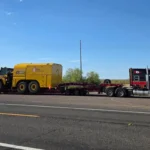
Modular construction has become one of the fastest-growing building methods across Western Canada. Housing shortages, workforce accommodation needs, Indigenous community development, and remote infrastructure projects are all driving demand for prefabricated and modular structures that can be built faster and with more predictable timelines than traditional construction.
But while modular construction simplifies the build process, transporting a completed modular building is often the most technically challenging part of the project. These structures are not raw materials or standard equipment. They are finished, or nearly finished buildings, that must arrive intact, on schedule, and ready for installation.
Understanding how modular buildings are transported, and where projects can go wrong, is essential for anyone planning a modular build in Western Canada.
What Modular Building Transport Actually Involves
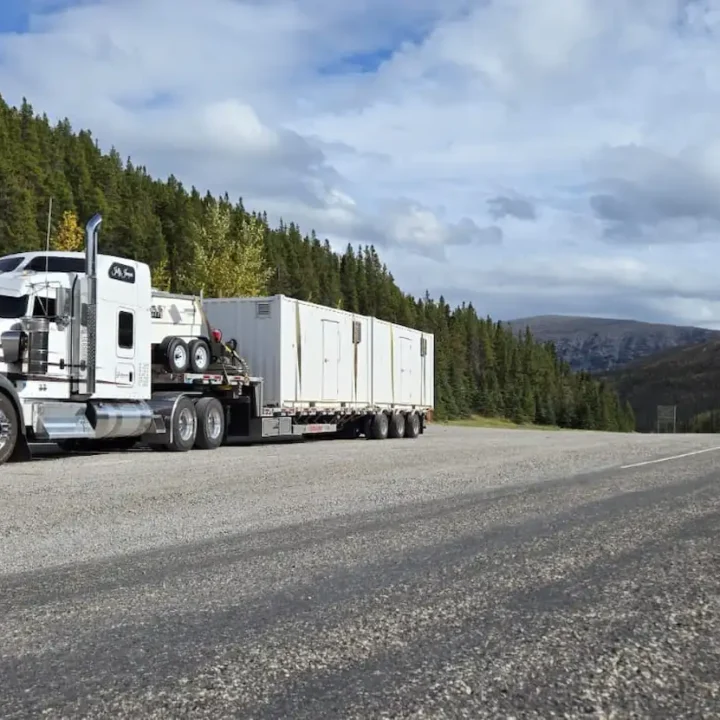
Modular building transport refers to the movement of fully or partially completed building sections from a manufacturing facility to their final destination. These modules can range from single-unit structures to multi-section buildings that are assembled on site.
Unlike conventional freight, modular buildings are rigid, oversized, and often fragile relative to their size. Once a module is completed, it cannot be disassembled or easily adjusted to suit transportation constraints. That means the transport plan must work around the building, not the other way around.
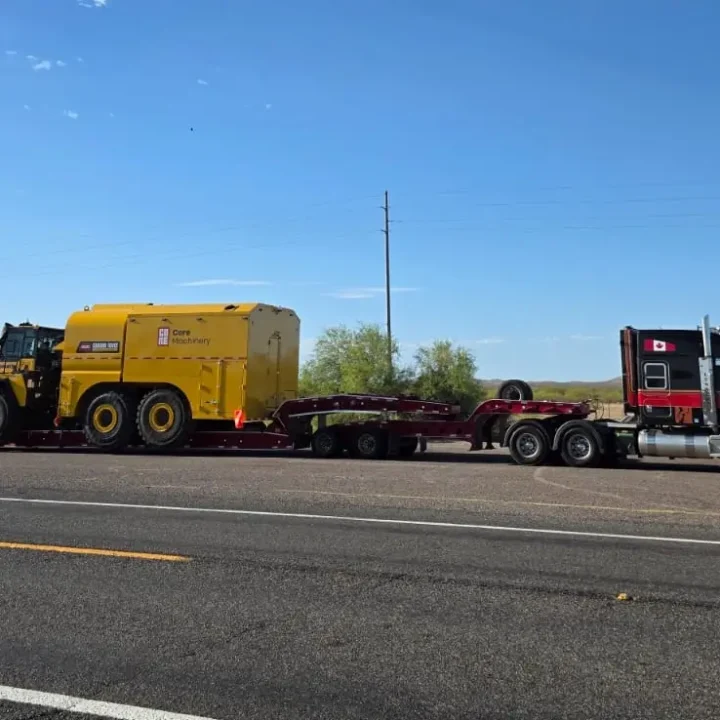
In many cases, modular buildings exceed legal width or height limits, placing them firmly in the category of oversize or heavy haul transport. This introduces additional requirements around permits, routing, escort vehicles, and scheduling that must be addressed well before the move takes place.
Why Modular Building Transport Is More Complex Than It Appears
From the outside, modular building transport can look deceptively simple. The structure is loaded onto a trailer, secured, and delivered to site. In reality, every stage of the move introduces risk if it is not properly planned.
One of the biggest challenges is dimensional sensitivity. Width and height are often more restrictive than weight, particularly when navigating highways, secondary roads, or urban areas. Overhead power lines, signage, bridge clearances, and tight intersections can all limit viable routes.
There is also the issue of structural stress. Modular buildings are engineered to perform once installed, not to absorb uncontrolled flex during long-distance transport. Improper securement, uneven weight distribution, or excessive vibration can cause damage that may not be immediately visible but can delay installation or require costly repairs.
Environmental exposure adds another layer of complexity. Large, flat surfaces increase wind resistance, especially at highway speeds, making stability a critical concern. Weather conditions, road surfaces, and seasonal restrictions all influence how and when a modular building can be moved safely.
Why Route Planning Determines Success or Failure
For modular building projects, route planning is not a formality, it is a determining factor in whether the move succeeds.
A proper route analysis evaluates far more than distance. It considers bridge capacities, overhead clearances, turning radiuses, road grades, construction zones, and temporary restrictions that may not appear on standard mapping tools. In many cases, route surveys are required to physically verify clearances and identify potential conflicts in advance.
In Western Canada, seasonal weight restrictions can further complicate planning, particularly for rural and remote destinations. A route that works in summer may be completely unavailable during spring thaw or winter conditions.
When route planning is rushed or overlooked, the result is often last-minute changes, permit issues, or delays that ripple through the entire project schedule. Experienced carriers treat routing as a core part of the service, not an afterthought.
Permits and Escort Vehicles in Western Canada
Because modular buildings frequently exceed legal transport dimensions, permits and escort vehicles are almost always required. These requirements vary by province and are influenced by the size of the load, the selected route, and the timing of the move.
Permits define where, when, and how a modular building can be transported. They may include restrictions on travel times, speed limits, or specific route approvals. Escort vehicles are often mandated to manage traffic, assist with lane control, and provide advance warning to other road users.
Navigating permit requirements across Alberta, Saskatchewan, and British Columbia requires familiarity with provincial regulations and approval timelines. Delays at this stage can stall projects before transport even begins, making early coordination essential.
Common Mistakes That Delay Modular Building Projects
Many transport issues don’t show up until it’s too late. The most common problems seen in modular building transport include:
1. Choosing a carrier without modular experience
Not all heavy haul carriers understand the structural nuances of modular units. Experience with equipment alone is not enough.
2. Underestimating escorts and permits
Assuming a route will “probably be fine” often leads to last-minute changes and added costs.
3. Poor load securement planning
Incorrect securement can cause stress points, shifting, or damage during transport.
4. No contingency planning
Weather, road conditions, or access delays need backup plans, especially for remote sites.
These mistakes are avoidable with proper planning and the right transport partner.
Choosing Between Heavy Haul and Open Deck Solutions
Not all modular building projects require the same transport approach. The choice between heavy haul and open deck solutions depends on several factors, including the size of the module, route constraints, and distance traveled.
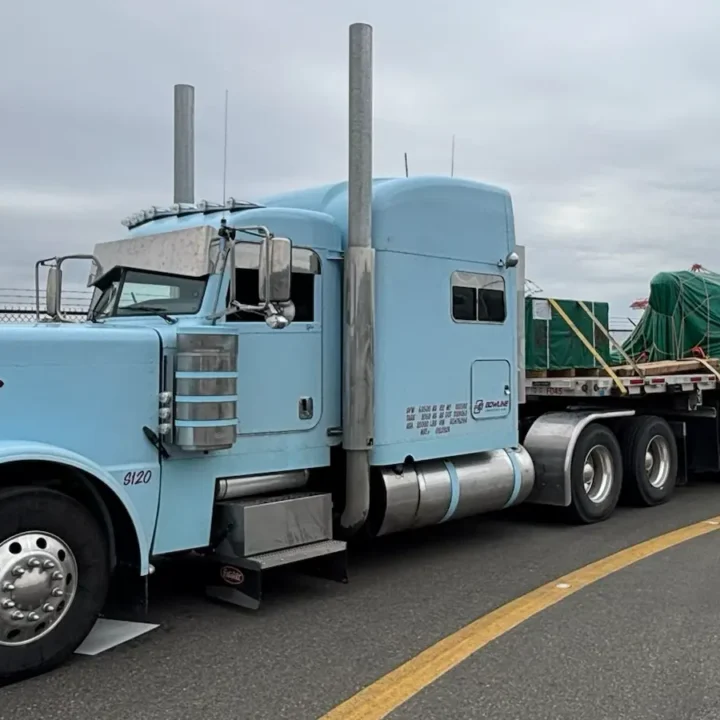
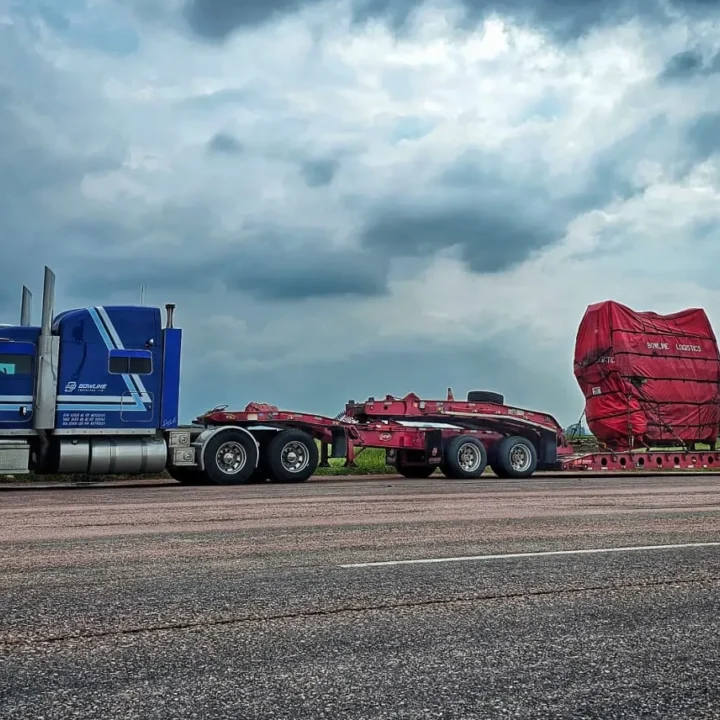
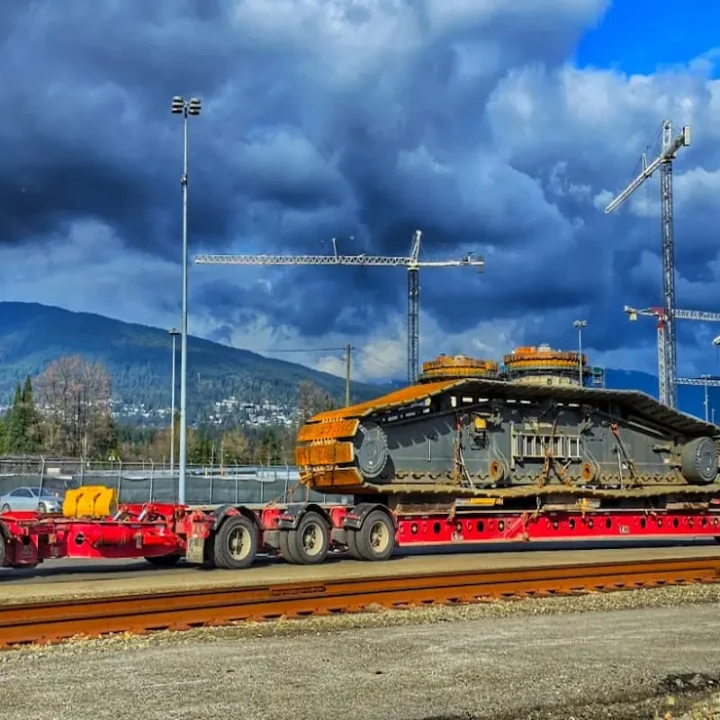
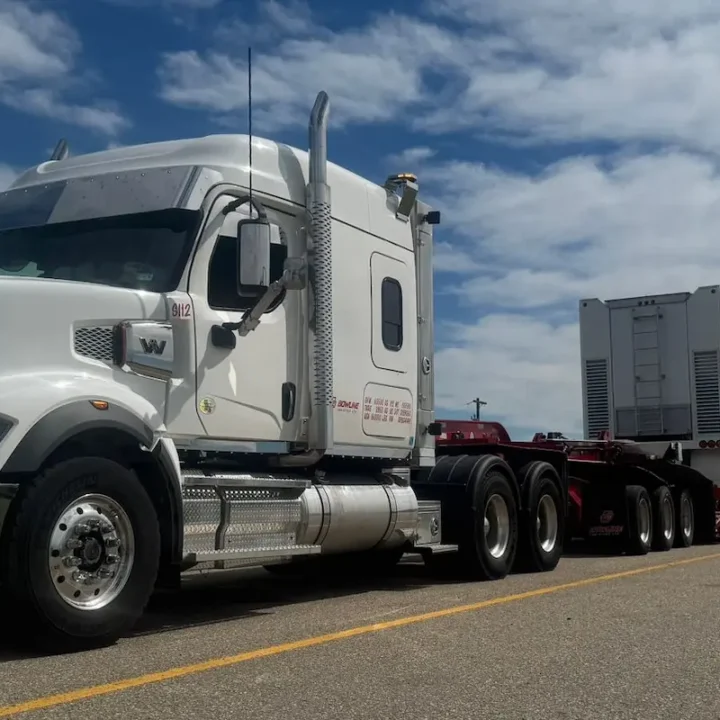
Heavy haul configurations are typically required when modular buildings exceed standard width or height limits, require specialized axle setups for weight distribution, or are transported over long distances. These setups provide greater stability and control, particularly for oversized loads.
Open deck solutions may be appropriate for smaller modular components or shorter hauls where route constraints are limited. However, using open deck equipment for a move that truly requires heavy haul support can introduce unnecessary risk and permitting challenges.
Understanding the distinction early helps ensure the right equipment is used from the outset.
Transporting Modular Buildings to Remote and Rural Locations
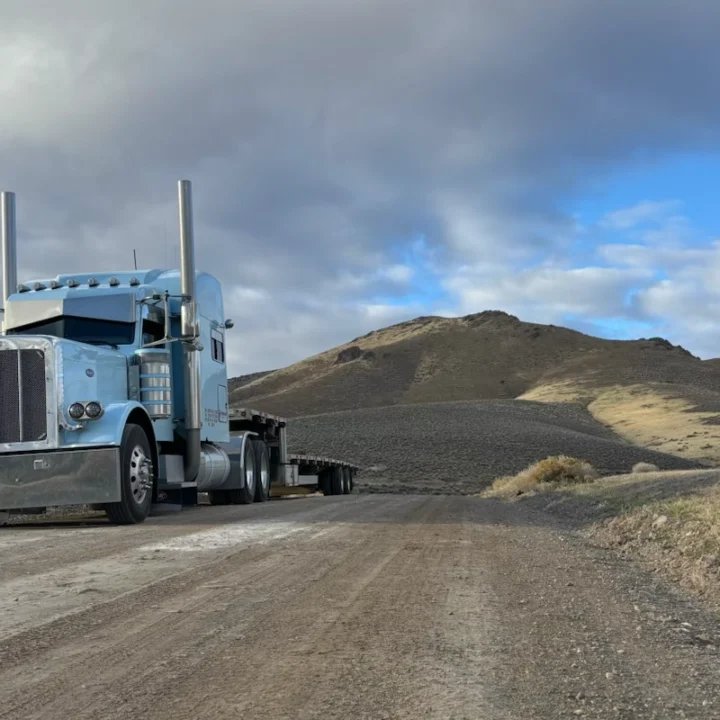
Many modular buildings in Western Canada are destined for remote communities, energy projects, or rural developments where traditional construction is impractical. These deliveries introduce additional logistical considerations beyond the move itself.
Access roads may be narrow or unpaved, staging areas limited, and crane availability tightly scheduled. In these environments, timing is critical. A modular building that arrives too early can create storage issues, while delays can idle installation crews and equipment.
Successful delivery to remote sites requires coordination between the transport provider, manufacturer, and on-site teams to align schedules and ensure site readiness.
How Experienced Carriers Approach Modular Building Transport
The most successful modular building moves begin long before the structure is loaded onto a trailer. Experienced carriers engage early in the planning process, working alongside project teams to identify constraints and develop realistic transport strategies.
This approach typically includes early route analysis, permit coordination, equipment selection based on module dimensions, and clear communication with both the manufacturer and installation crews. On-site coordination during delivery ensures the building can be placed efficiently and safely.
This planning-first mindset is what separates routine transport from true project logistics.
Companies like Bowline Logistics approach modular building transport as an integrated logistics process, aligning routing, permitting, equipment, and site coordination to reduce risk and keep projects moving.
Why Transport Planning Should Start on Day One
In modular construction, transport is often treated as the final step. In practice, it should be part of the initial project conversation. Early planning allows potential issues to be identified while design adjustments are still possible and timelines remain flexible.
By integrating transport considerations early, project owners can control costs, reduce delays, and improve coordination across all phases of the build.
Strengthening Modular Building Transport Across Western Canada
As modular construction continues to expand across Alberta and Western Canada, transportation has become the critical link between manufacturing and successful installation. Modular projects depend on precise coordination, predictable execution, and carriers who understand that these moves are not just freight—they are fully engineered structures with tight delivery windows and high financial stakes.
For developers, manufacturers, and project managers, delays or damage during transport can ripple through the entire build schedule. That’s why modular building transport requires logistics partners who understand regional infrastructure, permitting realities, route constraints, and on-site coordination, not just the movement itself.
Bowline Logistics supports modular building projects across Alberta and Western Canada with a planning-first approach to transport. By aligning routing, permits, equipment selection, and delivery coordination early in the process, Bowline helps reduce risk, control costs, and keep modular projects moving on schedule. Their regional expertise and execution-focused logistics solutions allow modular buildings to move efficiently from fabrication to final placement, even in remote or infrastructure-limited environments.
By strengthening transport planning and carrier partnerships, modular builders and developers can improve project reliability, minimize disruptions, and scale modular construction with confidence across Western Canada.
To learn more about modular building transport options and project support, contact Bowline Logistics today.
ABOUT THE AUTHOR
Michelle Green – Project Sales & Business Development

Michelle Green brings a project-focused, execution-driven perspective to modular building and specialized transport across Alberta and Western Canada. Working closely with modular manufacturers and project teams, Michelle supports reliable delivery through early planning, route coordination, and clear operational communication. With a background in fluid power technology and commercial diving, she brings a practical, hands-on mindset that translates directly into real-world logistics execution for oversized and schedule-sensitive modular projects.